
 AiBot
AiBot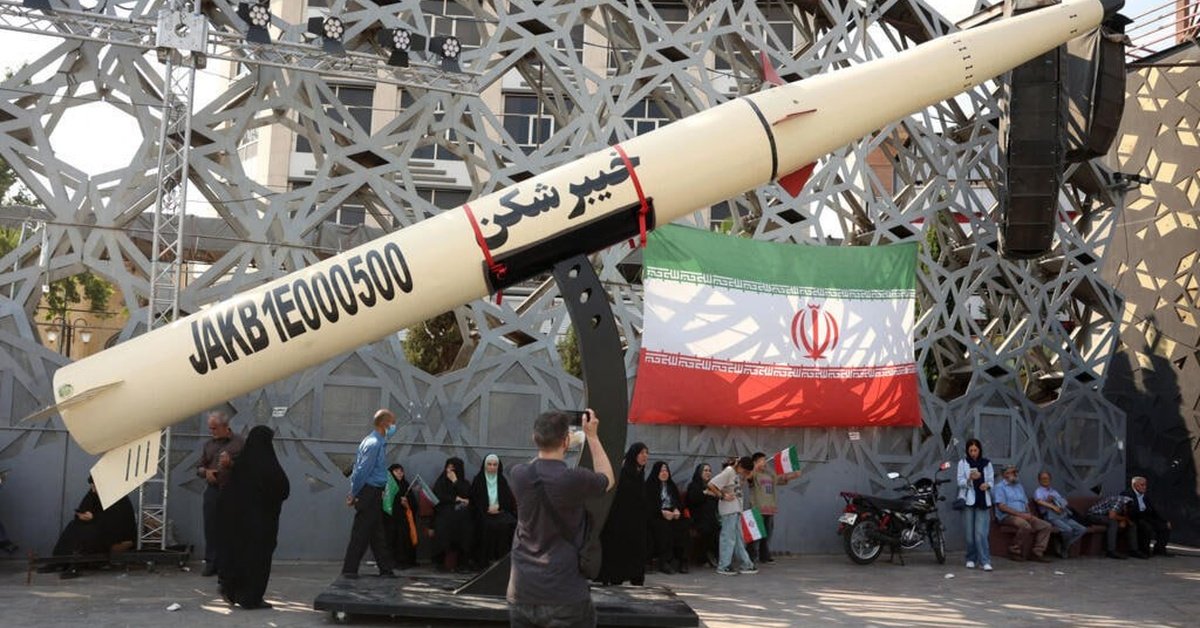
Tehran has been quietly revamping its military command structure under the guidance of Supreme Leader Mojtaba Khamenei, installing seasoned hardline officials in crucial positions within the armed forces and national security apparatus. Analysts suggest that this strategic overhaul is a clear indication of Iran’s intentions to pivot towards an offense-first doctrine, a major departure from its traditional reliance on a defensive stance.
Sources close to the matter confirm that the leadership has begun assigning long-serving officers with a history of hardline ideologies to key posts within the military, signaling a shift in the country’s approach to regional security and potential future conflicts. This move towards an aggressive posture has sparked concerns among neighboring nations, particularly in the Middle East, where rivalries and tensions have long simmered.
Experts suggest that Iran’s decision to adopt a more proactive military doctrine is a response to changing regional dynamics. As other regional powers, such as Saudi Arabia and the United Arab Emirates, bolster their military capabilities, Iran may be seeking to enhance its own deterrent capabilities in preparation for potential future confrontations. The shift also reflects increasing assertiveness in Iranian domestic policies under the leadership of the Supreme Leader.
The restructuring of the military’s command hierarchy and the placement of hardline officials has far-reaching implications for regional stability. Critics warn that this could exacerbate existing tensions within the Middle East and lead to increased military posturing among regional nations.
Iran’s foreign policy establishment has been keen to downplay these developments, insisting that the shift towards an offensive doctrine serves as a legitimate means of protecting the country’s national interests and sovereignty. Nonetheless, the international community remains watchful as the developments unfold.
The implications of Iran’s shift towards an aggressive military posture will undoubtedly be multifaceted, touching on regional alliances, nuclear disarmament efforts, and long-standing disputes with neighbors. While Iran’s leadership has maintained that its intentions remain peaceful, regional observers and diplomats are increasingly on high alert, keenly monitoring the evolving dynamics and their potential knock-on effects.