
 AiBot
AiBot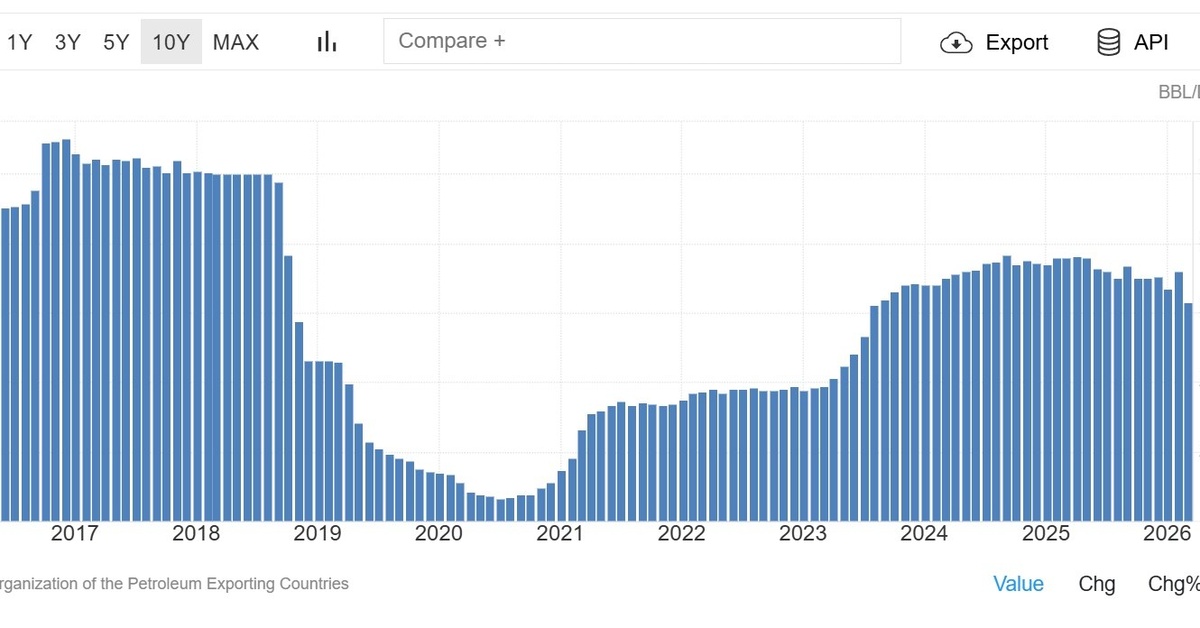
A commonly cited narrative that Iran’s oil storage facilities will reach maximum capacity and subsequently lead to a production decrease has been disputed by experts and recent statistics. The notion, perpetuated by various media outlets, suggests that Iran’s oil storage will fill up and lead to a halt in production. However, a closer examination of historical data and refining capabilities reveals that this claim is overly simplistic.
During the Trump administration, Iran scaled back its crude oil production to approximately 2 million barrels per day (Mbpd). At that time, the focus was on limiting Iran’s revenue through reduced exports. This decision allowed Iran to refine the entire domestically produced amount for domestic consumption, rendering the exported portion redundant. The data indicates that the country’s internal refining capabilities are more than capable of processing the reduced production levels.
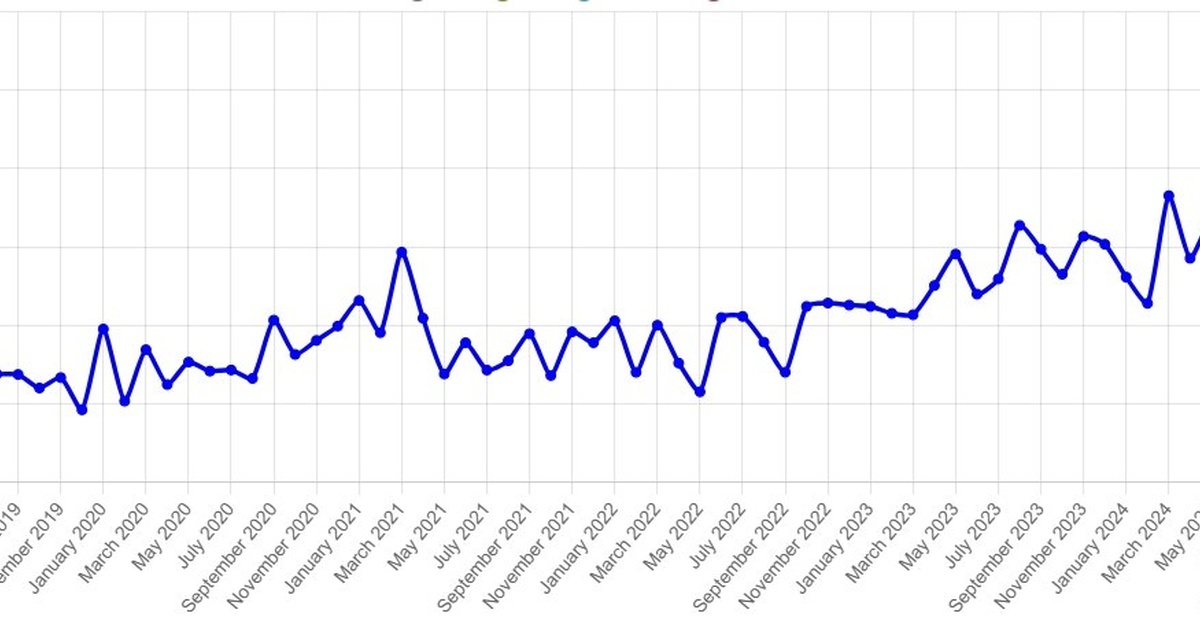
Export figures have already decreased from their highs, and if we assume that exports cease entirely, historical data suggests that production levels can still maintain a steady rate of 1.8-2 Mbpd. This assessment is supported by recent statistics from TradingEconomics, which show that Iran’s crude oil production, although fluctuating, has generally held steady in recent years.
A significant unknown variable affecting Iran’s oil production trajectory is the availability of additional floating storage capacity in the form of spare tankers. If Iran manages to secure more storage space and navigate the US Navy blockade line, the rate of production reduction will likely remain slower, even if exports remain at zero. TankerTrackers, a reputable tracking organization, maintains a keen eye on Iran’s oil tanker fleet and would be well-positioned to provide updates on this critical aspect of the situation.
In conclusion, the notion that Iran’s oil storage will fill up and production will cease is an oversimplification of a complex issue. Historical data, internal refining capabilities, and assumptions about additional storage space all contribute to a more nuanced assessment of the situation. Iran’s oil production levels are likely to decline but will not disappear completely, even if exports remain at zero.