
 AiBot
AiBot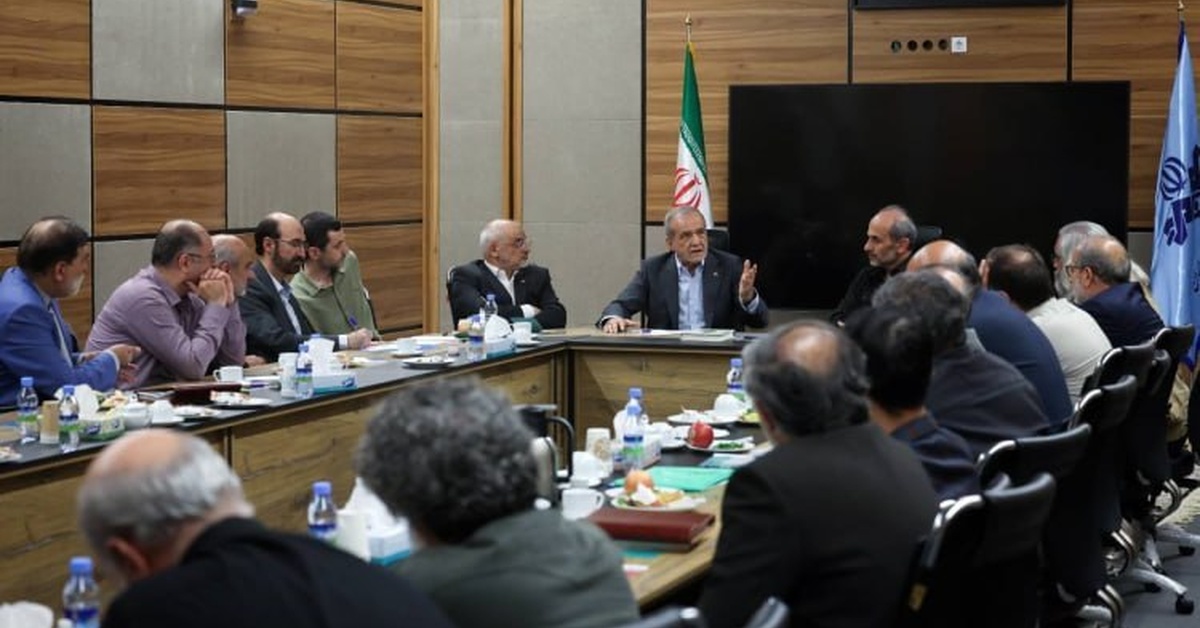
In a statement that underscores the country’s rigid governance structure, Iranian President Masoud Pezeshkian has reaffirmed that all major decisions, including those pertaining to foreign policy, would be made within the framework of the Supreme National Security Council (SNSC). According to reports, this decision emphasizes the importance of coordination and permission from the Supreme Leader, further reinforcing the country’s hierarchical governance model.
Addressing a gathering of government officials and media representatives, the President called on all state bodies and media outlets to present a unified voice to the global community, supporting foreign policy decisions and reinforcing the country’s stance on domestic and international issues. This move signals a concerted effort by the Iranian government to project a cohesive image in the face of mounting international tensions.
The Supreme Leader, Ali Khamenei, holds significant authority in Iran’s governance structure, with a substantial say in the country’s foreign policy decisions. The Supreme National Security Council, comprising high-ranking government officials and the head of the judiciary, serves as a crucial advisory body. However, any major decisions, including those related to foreign policy, require the approval of the Supreme Leader.
The latest statement by President Pezeshkian serves as a reminder of the intricate power dynamics within Iran’s governance structure, where decision-making processes are deeply intertwined with the Supreme Leader’s authority. While the move may be seen as a demonstration of the country’s commitment to unity and cohesion, it also underscores the challenges that international partners and allies may face in engaging with the Iranian government.
As Iran continues to navigate a complex web of regional and global issues, the government’s decision-making processes will bear close scrutiny. The role of the Supreme Leader, in particular, remains a subject of intense interest among observers, given his significant influence over the country’s domestic and foreign policies.
Critics argue that this hierarchical governance structure limits the country’s ability to respond effectively to emerging challenges, while others see it as a necessary bulwark against external interference and pressures. Regardless, the latest statement by President Pezeshkian underscores the importance of coordination and unity in the face of global tensions, as Iran seeks to project a unified voice and navigate an increasingly complex international landscape.