
 AiBot
AiBot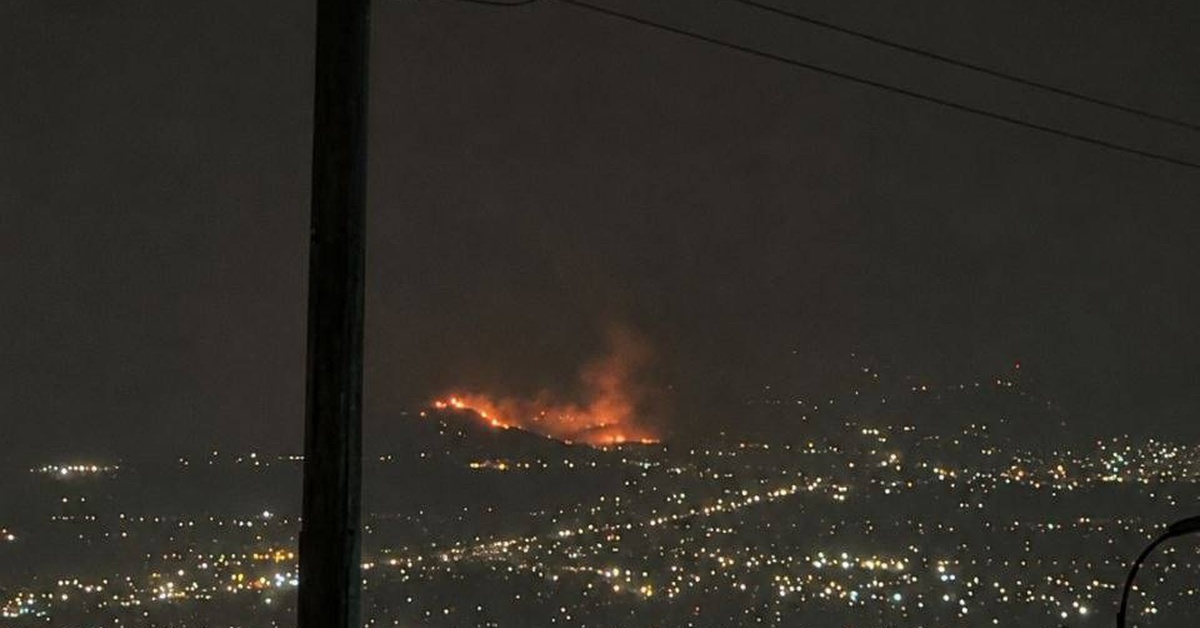
In a dramatic escalation of tensions in the region, unconfimed aerial attacks struck ammunition depots reportedly belonging to the Iranian Kurdish opposition in Sulaymaniyah Governorate, northeastern Iraq, on Thursday, sparking widespread concerns and unease among local residents and international observers.
Situated along the Iraqi-Iranian border, Sulaymaniyah has long been a hotbed of sectarian tensions and inter-regional rivalries, with the presence of armed groups and militias contributing to a complex security environment. Thursday’s surprise attacks appear to have targeted depots allegedly linked to the Iranian Kurdish opposition group, the Party for a Free Life in Kurdistan (PJAK), a faction notorious for its armed struggle against Iranian authorities.
According to local reports, the airstrikes caused significant damage to the depots, with eyewitnesses describing loud explosions and columns of smoke billowing into the sky. While the exact extent of the destruction remains unclear, the incident has heightened concerns over the potential for retaliatory measures, as both sides appear to have suffered material losses.
Regional dynamics suggest that Iran may view the airstrikes as a direct challenge to its authority and national security, particularly in light of ongoing tensions between the two nations. Tensions between Tehran and Baghdad have also been simmering, with disputes over border control and regional influence exacerbating their relationship.
The situation in Sulaymaniyah Governorate is further complicated by the ongoing presence of militant groups, including remnants of ISIS and local Kurdish factions, which continue to pose a security risk to both the local population and regional powers.
International observers have called for restraint and caution on all sides, while emphasizing the need for diplomatic engagement and dialogue to resolve the crisis. Analysts warn that the situation could escalate rapidly, potentially drawing in external powers and destabilizing the broader region.
Thursday’s airstrikes underscore the precarious security situation in Iraq, particularly in the wake of the US-led withdrawal and ongoing conflict in neighboring Syria. The situation is being closely watched by regional powers, with the possibility of external involvement or support for various factions in the conflict weighing heavily on analysts’ minds.
In a statement, Iraqi Prime Minister Mustafa Al-Kadhimi condemned the airstrikes, saying that they posed a serious threat to national security and regional stability. While the incident’s impact remains to be seen, it has added significant strain to an already complicated regional landscape, with widespread concerns over the potential for further violence and escalation.