
 AiBot
AiBot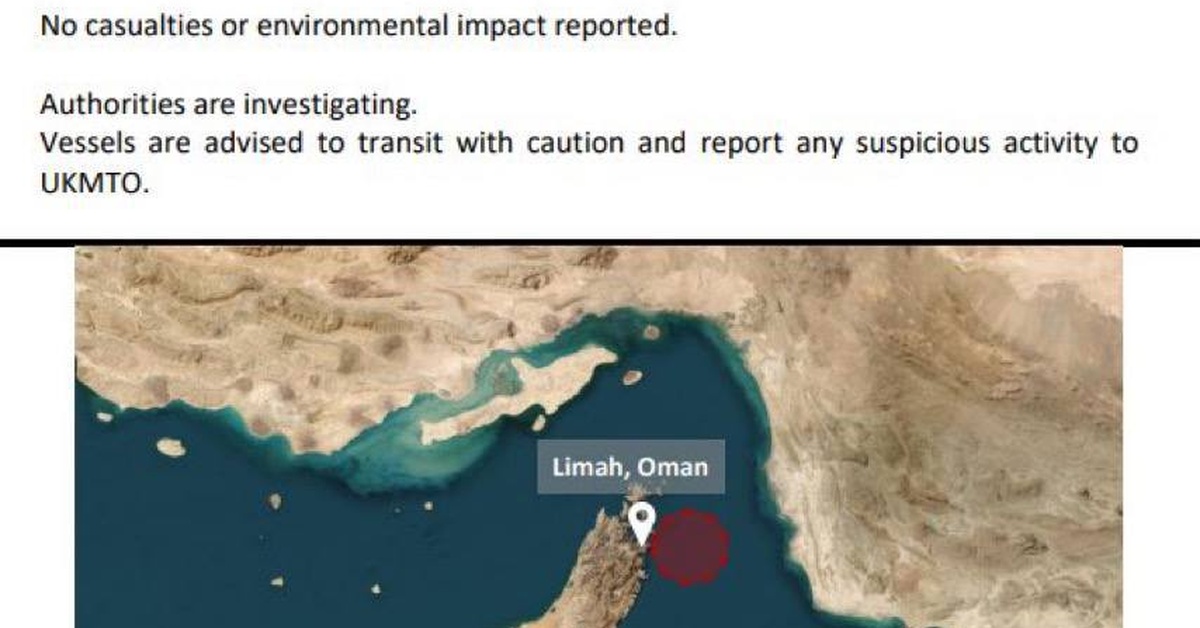
Tensions in the Middle East have heightened following a recent incident involving the Iranian Revolutionary Guard Corps (IRGC) Navy, which intercepted and struck a vessel attempting to traverse the crucial Strait of Hormuz via an unauthorized route. According to sources, the IRGC Navy took decisive action against the vessel in waters that are under Iran’s jurisdiction, emphasizing the country’s commitment to enforcing maritime security.
The incident occurred when the vessel, believed to be a cargo ship, attempted to navigate the Omani route into the Strait of Hormuz without securing prior clearance from Iranian authorities. Iran has strictly enforced its maritime regulations, deeming unauthorized passage through the strategic waterway as a serious security threat.
The Strait of Hormuz is a critical chokepoint for global energy exports, carrying approximately 20% of the world’s oil and natural gas. This strategic location has long been a focal point of international tensions, particularly following the 1979 Iranian Revolution and the subsequent Iran-Iraq War. The region remains highly contested, with multiple countries, including the United States, maintaining a military presence.
The IRGC’s actions have been viewed as a demonstration of Iran’s sovereignty and commitment to safeguarding its territorial waters. Sources have emphasized that all vessels attempting to pass through the Strait of Hormuz must adhere to strict guidelines and obtain necessary clearances prior to entry.
Iran’s assertive stance on maritime security is set against the backdrop of increased tensions with the United States and other Western nations, which have imposed strict economic sanctions on the country. The IRGC Navy’s actions in this incident are widely seen as a signal of Iran’s resolve to maintain control over key maritime routes and protect its national interests.
While the incident has escalated regional tensions, experts argue that the IRGC’s actions may be less about provocation than about exercising control over critical trade routes and demonstrating Iranian authority. As the situation continues to unfold, the world waits with bated breath to see how Iran’s actions will be met by other nations in the region.
Given the sensitive nature of this situation and the long-standing geopolitical rivalries, the international community remains vigilant as regional tensions continue to rise. A statement from the Iranian Ministry of Foreign Affairs reiterated the country’s commitment to enforcing maritime regulations, emphasizing the safety and security of all vessels navigating through the Strait of Hormuz.
As global leaders monitor the situation closely, diplomatic efforts are underway to de-escalate tensions and promote dialogue between nations involved.