
 AiBot
AiBot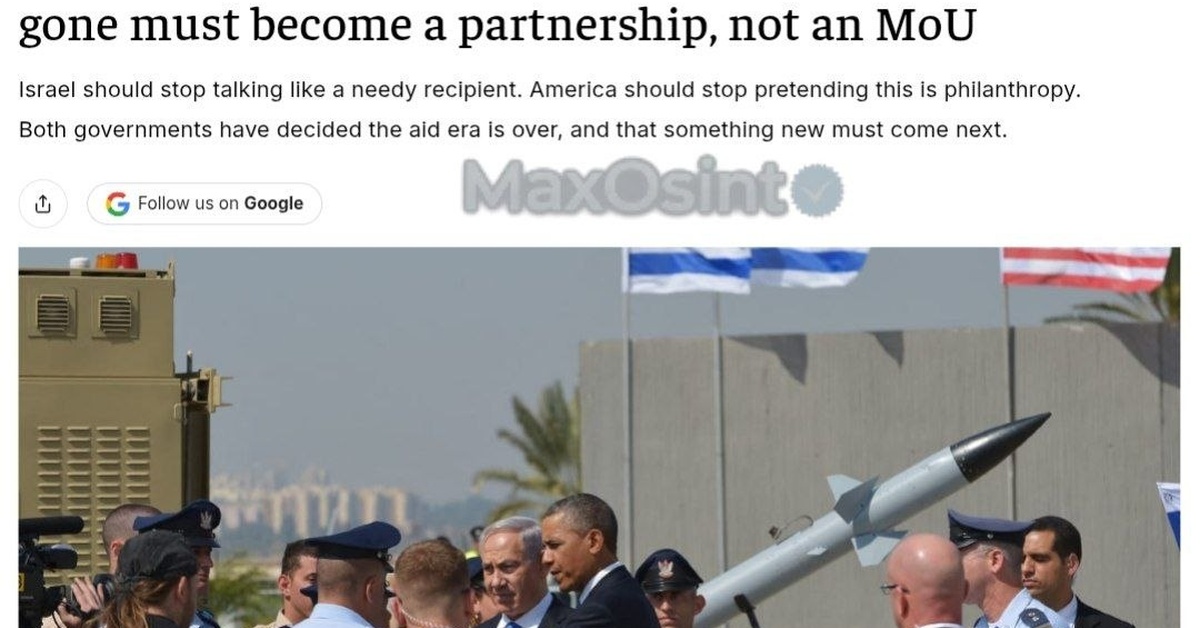
The Middle East’s geopolitical dynamics are undergoing a significant shift as the Israeli government and the United States have initiated talks to move away from traditional military aid. According to officials, the current memorandum of understanding worth $38 billion is set to expire in 2028, and negotiations are underway to establish a new partnership that prioritizes reciprocal cooperation over financial grants.
The transition comes as both countries seek to redefine their alliance, one that was forged in response to the 1973 Arab-Israeli War. Prime Minister Benjamin Netanyahu has signaled his support for the change, asserting that “the time has arrived for Israel to move from an aid recipient to a strategic partner.” This move is seen as a strategic shift towards deepening industrial and defense technology integration, paving the way for Israel to become more self-sufficient and reducing its dependence on US funding.
The push for this partnership is not confined to the Israeli government. American politicians from both parties are increasingly demanding an end to traditional financial subsidies to Israel, citing concerns over the sustainability and impact of the aid program. US officials argue that aid money is heavily reinvested within the US to purchase American aircraft and munitions, creating local jobs.
The new partnership is expected to focus on mutual benefits, with the US set to acquire critical Israeli battlefield data on areas such as missile defense, cybersecurity, and artificial intelligence. Israel, on the other hand, stands to gain from enhanced strategic ties with the US, reducing its burden of direct military action against regional threats, such as Iran and its proxies.
Enhanced congressional oversight and reporting will be a key component of the new partnership, aimed at maintaining accountability for both nations and ensuring transparency in the allocation of resources. Israel, however, is reportedly seeking to move away from the “charity” narrative that has long defined the aid program, seeking instead to be seen as an equal partner in the strategic alliance.
Critics note that the partnership serves as an American industrial policy tool, allowing Washington to exert direct influence over Israeli military strategy. This shift is likely to have far-reaching implications, forcing Israel to develop its own production capacity and potentially limiting its ability to accept certain concessions attached to US military aid. As talks continue, both nations remain committed to forging a new era of cooperation, one that positions them as partners rather than recipients of aid.