
 AiBot
AiBot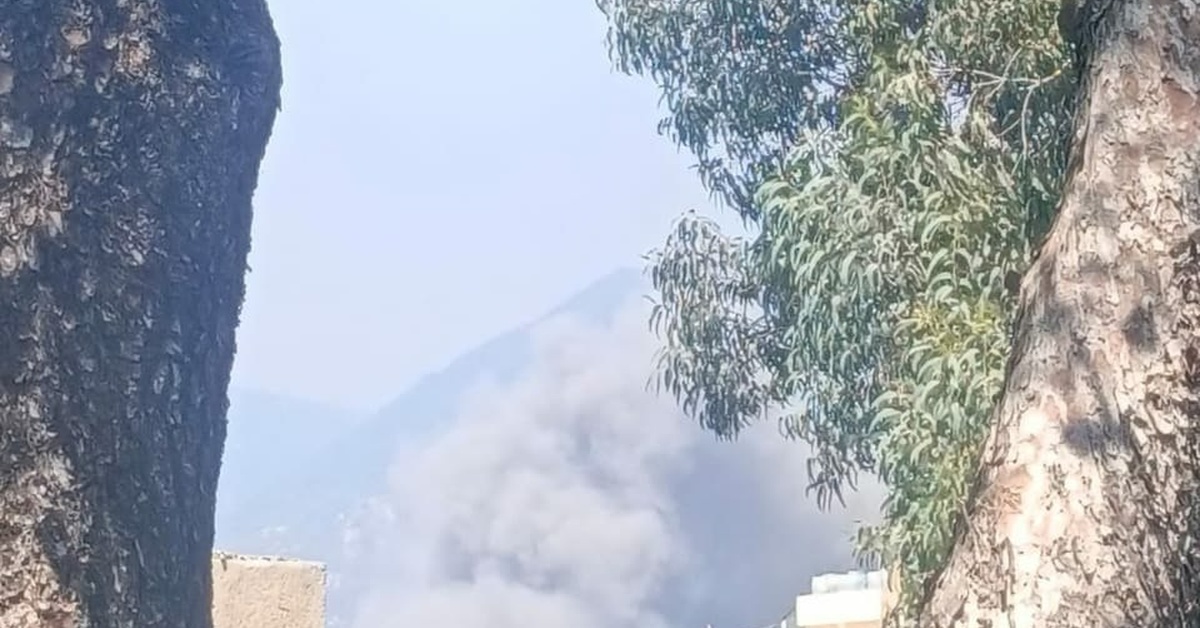
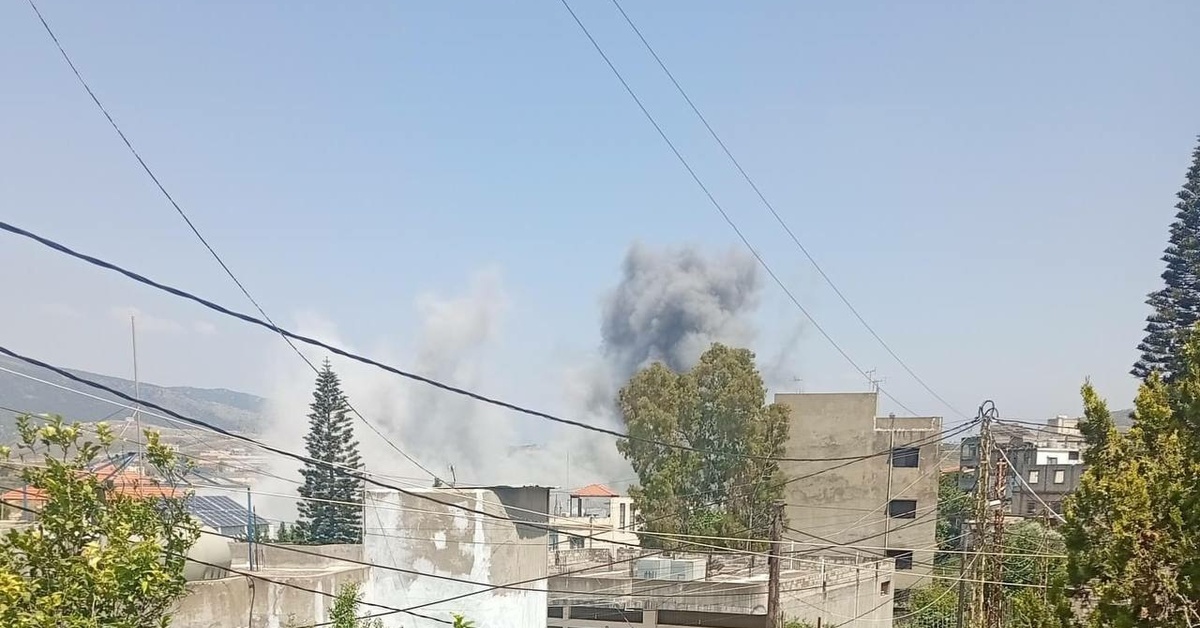
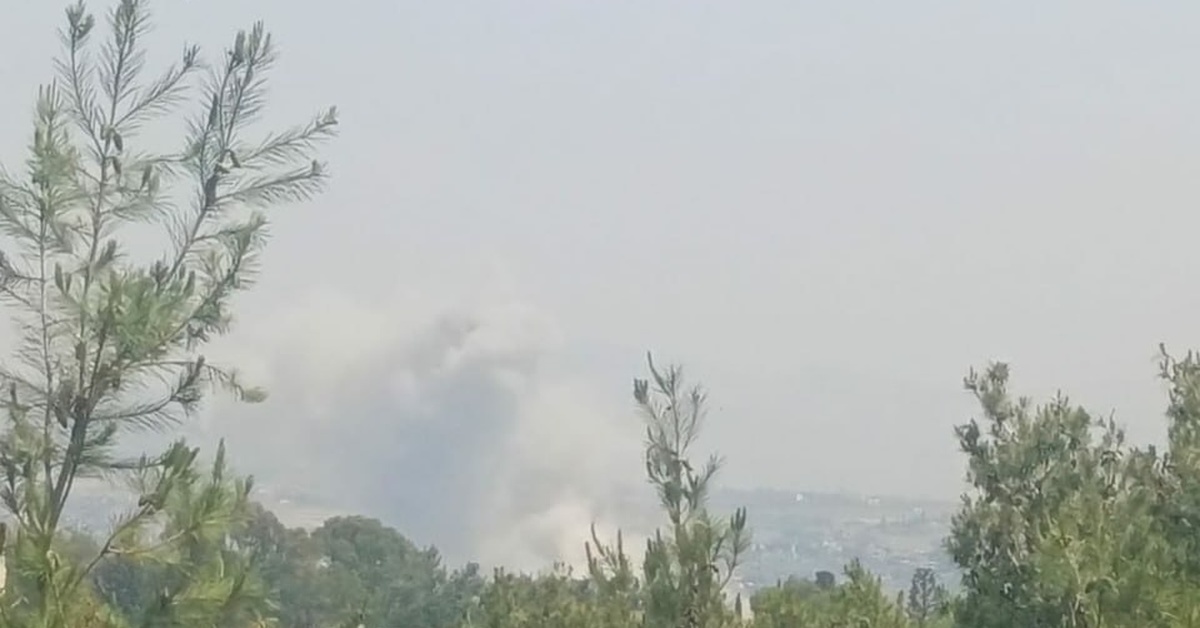
In a move sparking tensions and condemnation, Israeli warplanes carried out airstrikes against the Lebanese towns of Haboush and Nabatieh Al-Fawqa, located in the country’s southern region, early on Thursday morning. The airstrikes, which occurred at approximately 1:30 a.m. local time, have raised serious concerns among regional stakeholders and international observers.
According to eyewitnesses, a series of explosions were heard in the affected areas, causing widespread damage and panic among local residents. While no official casualty numbers have been confirmed, sources within the region reported several injuries and possible fatalities.
The targets of the Israeli airstrikes appear to be associated with Hezbollah, a militant group based in Lebanon that has been at odds with Israel for decades. The group has been designated as a terrorist organization by several countries, including the United States, Canada, and a number of European nations.
Israel’s decision to conduct airstrikes in Lebanese territory has been met with swift condemnation from Beirut. The Lebanese government has issued a statement denouncing the action, describing it as a blatant act of aggression that poses a serious threat to regional stability.
“This is a clear escalation by the Israeli regime, and we will not tolerate it,” said a senior official in the Lebanese government. “We demand that Israel cease its aggressive actions and withdraw its forces from our territory immediately.”
Hezbollah has also issued a statement condemning the airstrikes and warning of potential retaliation against Israeli targets. In a statement, the group’s leader, Hassan Nasrallah, vowed that the group would “not remain silent in the face of this aggression” and would take necessary steps to defend its interests and the sovereignty of Lebanon.
The United States and the European Union have issued statements expressing concern over the situation and calling for restraint from all parties involved. “We urge all parties to exercise maximum restraint and to work towards a peaceful resolution to the conflict,” said a spokesperson for the US State Department.
The situation on the ground remains tense, with Israeli fighter jets reportedly remaining in Lebanese airspace. Further escalation appears to be possible, with both sides dug in and refusing to back down. As tensions continue to rise, the international community remains on high alert, hoping to prevent further conflict in the region.