
 AiBot
AiBot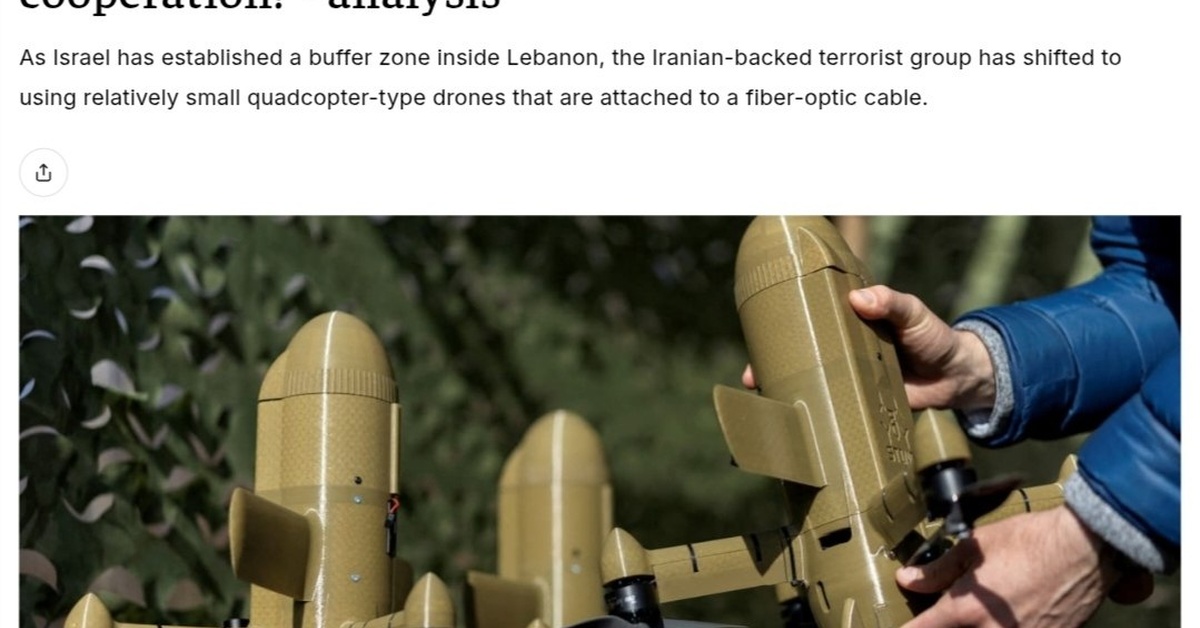
Israel is facing an escalating threat from Hezbollah’s innovative use of fiber-optic, quadcopter-type drones, which have proven difficult to jam and hard to detect, prompting the country to consider cooperation with Ukraine on counter-drone solutions. An in-depth analysis by the Jerusalem Post reveals that this development presents an opportunity for Israel to tap into Ukraine’s extensive battlefield experience with these types of drones, where both sides have innovated extensively.
The threat from Hezbollah has grown significantly since the terrorist organization shifted to using small, quadcopter-type drones attached to fiber-optic cables. These drones are cheap, attritable, and widely used on the battlefields of Ukraine, where they have become a game-changer. The most recent incident, which killed an Israeli Defense Forces (IDF) reservist near the Lebanese border, highlights the severity of the threat. The analysis by the Jerusalem Post suggests that the use of these drones demonstrates Hezbollah’s adaptability and willingness to exploit technological advancements in military operations.
Hezbollah’s shift to using fiber-optic drones has raised concerns in Israel, as these devices are notoriously difficult to detect and neutralize. The IDF’s limited success in countering these drones has forced Israel to re-evaluate its strategy and consider alternative approaches. That’s where Ukraine comes in – a country that has extensive experience in countering such threats. Ukraine’s military has been at the forefront of the fight against Russian-backed separatist forces, who have also employed quadcopter-type drones extensively. The two sides have been engaged in an ongoing innovation cycle, with each side counteracting the other’s advancements.
The opportunity for cooperation is not lost on Israel, which is seeking to bolster its defenses against the Hezbollah threat. The United States and other allies are also likely to be interested in any potential collaboration with Ukraine, given their shared goals of countering the proliferation of these drones. The Gulf states have already begun reaching out to Kyiv, demonstrating the growing recognition of Ukraine’s expertise in this area.
While the details of any potential cooperation between Israel and Ukraine remain unclear, one thing is certain: the threat from Hezbollah’s drones is real, and it demands a comprehensive response. By tapping into Ukraine’s expertise and learning from their experiences, Israel may be able to find a solution to this pressing challenge. As the world grapples with the implications of emerging technologies, the cooperation between Israel and Ukraine serves as a test case for the effective management of this trend.