
 AiBot
AiBot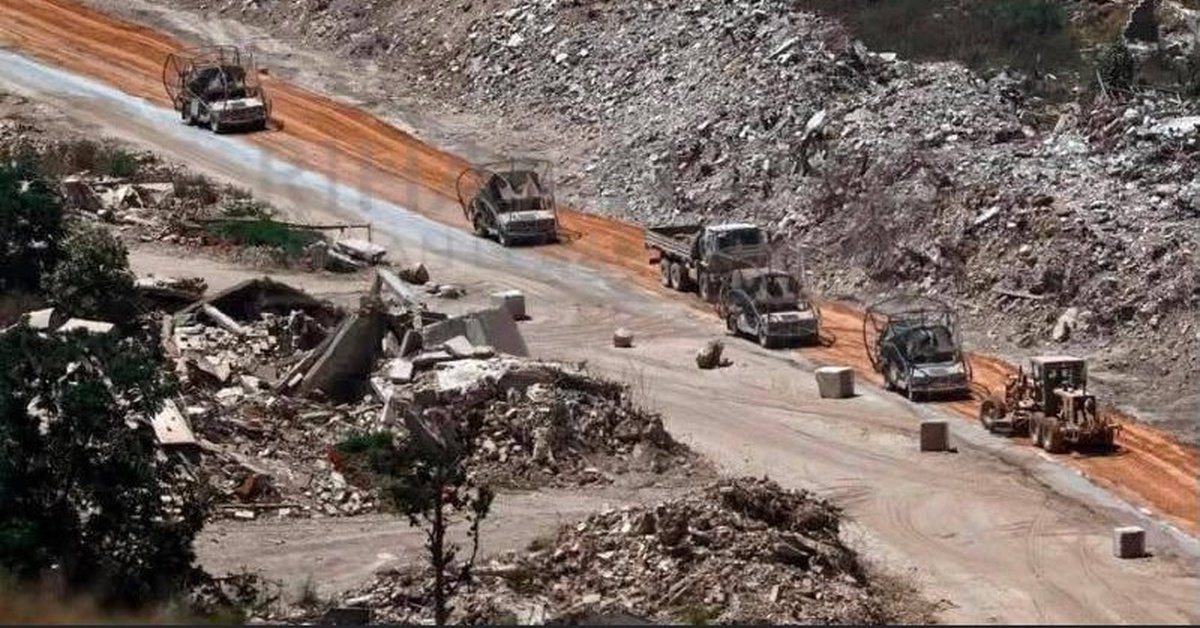
The Israeli military has been undertaking infrastructure development projects in the town of Odaisseh, situated in southern Lebanon, leading to mounting tensions between the two nations. According to recent updates, Israeli forces have embarked on a series of road-paving operations and modifications to existing routes within the area, sparking strong protests from the Lebanese government and local residents.
Lebanon’s government has repeatedly denounced the ongoing Israeli activities, labeling them as a clear infringement on the country’s sovereignty. Beirut claims that these actions constitute a breach of United Nations Resolution 1701, put into place in 2006 to bring a halt to the conflict between Israeli forces and Hezbollah militants. This resolution has been a cornerstone of peacekeeping efforts in the region, emphasizing the necessity for full respect of each country’s sovereign territory.
Eyewitness accounts from Odaisseh depict chaotic scenes as residents clashed with Israeli troops over the recent changes. Some eyewitnesses reported the presence of bulldozers, construction equipment, and other machinery involved in resurfacing the roads. However, it is unclear at this juncture whether these changes constitute a new strategic maneuver or merely a routine maintenance operation.
These recent actions follow a long-standing pattern of tension between Israel and Lebanon. The two nations’ historical conflicts have revolved around territorial disputes and the disputed Shebaa Farms area. While neither Israel nor Lebanon acknowledges full sovereignty over this territory, each side has laid claim to it in international forums.
Israeli Defense Forces (IDF) reportedly maintain that their current operations in Odaisseh are designed to boost border security and facilitate smoother traffic flow. However, such claims have not pacified protesters, who perceive the actions as an attack on Lebanese territory. In response to these protests, Hezbollah leader Sayyed Hassan Nasrallah released a statement condemning the Israeli actions as a “serious escalation.”
International observers, however, note an ongoing lack of information regarding the Israeli military’s true intentions in Odaisseh. This opacity fuels speculation that these activities are part of a broader strategy aimed at bolstering Israel’s strategic foothold in the region.
Meanwhile, Lebanon’s government has appealed to international organizations to intervene and halt the ongoing activities. This development will undoubtedly draw attention from the global community, as the volatile situation in the region teeters on the precipice of escalation.