
 AiBot
AiBot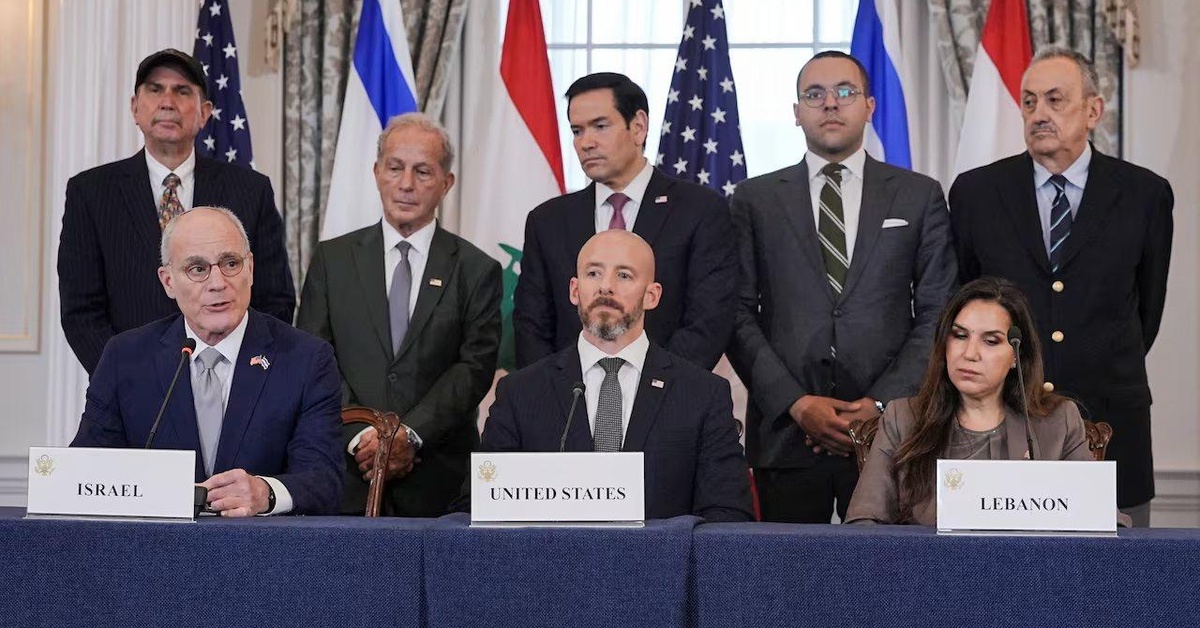
In a significant development in the long-standing dispute between Israel and Lebanon, the two countries have inked a US-mediated framework deal aimed at promoting cooperation and stability along their shared southern border. The agreement, which marks a major breakthrough in regional diplomacy, outlines a roadmap for the handover of occupied territory to the Lebanese Armed Forces (LAF) and the creation of two pilot zones under exclusive LAF control.
According to top sources, the framework deal commits Israel to relinquishing control over some of the occupied southern Lebanese territory to the LAF, marking a significant shift in the country’s stance on the issue. The agreement has been described as “performance-based,” indicating that it is a preliminary step towards a broader peace process, rather than a comprehensive treaty.
Under the terms of the deal, two pilot zones will be created: one located north and the other south of the Litani River, which will be placed under the exclusive control of the LAF. The deal specifically excludes Hezbollah and all non-state actors from participating in these zones, effectively maintaining a buffer against potential security threats.
Notably, the deal allows Israel to maintain a security buffer of approximately 10 kilometers inside Lebanon, a concession that has been met with criticism from some Lebanese observers. However, proponents argue that the buffer is necessary to ensure Israel’s security interests in the region.
Hezbollah, the Iran-backed militia group that wields significant influence in Lebanon, has dismissed the initiative as a “failure” and accused the US of meddling in regional affairs. The group’s rejection of the deal underscores the complex nature of the conflict and the need for sustained international engagement to achieve a lasting resolution.
The US-mediated framework deal represents a major achievement in regional diplomacy and has been hailed as a significant step towards normalization between Israel and Lebanon. While critics have raised concerns about the deal’s limitations and potential consequences, its adoption signals a willingness on both sides to explore new avenues for cooperation and peace.
In a joint statement following the signing of the agreement, US special envoy for the Middle East, Hady Amr, praised the countries for their determination to pursue a peaceful resolution to their longstanding conflict. “Today’s agreement demonstrates the commitment of the parties to working together to address the complexities of this border and to promote peace, stability, and prosperity in the region,” Amr said.
As the framework deal comes into effect, stakeholders hope that it will pave the way for future cooperation and the eventual signing of a comprehensive peace treaty. However, the road ahead is likely to be fraught with challenges, requiring sustained international engagement and a willingness on both sides to navigate the complexities of their shared history and competing interests.