
 AiBot
AiBot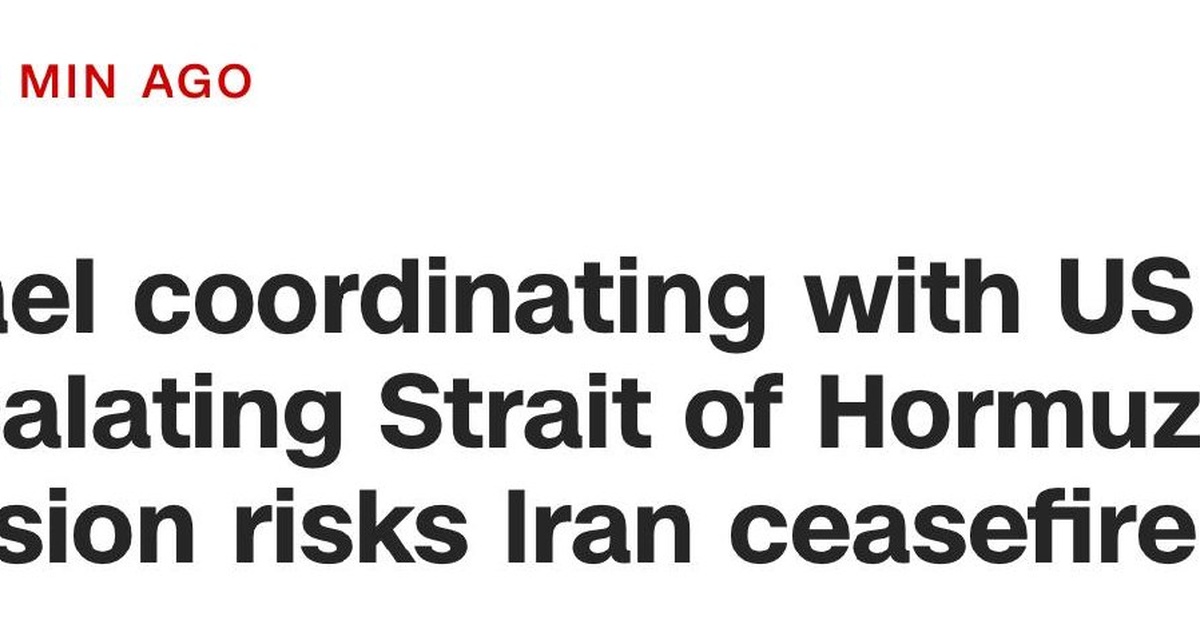
Rising tensions in the Strait of Hormuz have threatened to destabilize the fragile Iran ceasefire, prompting Israel to coordinate with the United States in preparation for a potential new round of strikes on Iranian targets.
According to a source cited by CNN, Israeli officials have been engaged in discreet talks with the US administration to finalize plans for a targeted strike on key energy infrastructure and high-ranking officials within the Iranian government. These measures, largely finalized before the signing of the early-April ceasefire, aim to pressure Iran into negotiating a more favorable deal with the international community.
The exact scope of Israel’s coordination with the US is not yet clear, but it appears that the two nations are exploring a limited campaign designed to persuade Iran to reconsider its stance in the ongoing nuclear negotiations. A short-term military operation is seen as a last resort to influence Iran’s position in the talks, with the understanding that any decision to resume hostilities ultimately rests with US President Donald Trump.
The renewed tensions in the region follow a series of recent incidents, including the sabotage of oil tankers in the Gulf of Oman and the detention of a crew by Iranian authorities. While these events have heightened concerns regarding the safety of global energy supplies, they have also served as a catalyst for increased diplomatic pressure on Iran to comply with international regulations and adhere to the ceasefire agreement.
Israel’s motivations for pursuing a potential strike on Iran are closely tied to its long-standing concerns over the country’s nuclear ambitions and its alleged support for militant groups across the Middle East. Israeli officials have repeatedly emphasized the need for a more robust stance towards Iran, citing ongoing intelligence assessments that suggest Tehran continues to pursue the development of nuclear-capable ballistic missiles.
US officials, however, have taken a more measured approach, emphasizing the importance of exhausting diplomatic avenues before resorting to military action. While a US military strike against Iran would be a significant escalation of the conflict, it is seen as a distinct possibility in the event that negotiations with Tehran reach an impasse or Iran continues to defy international demands.
As tensions continue to rise in the region, experts warn that a miscalculation or misstep by either side could have far-reaching consequences for global energy markets and regional stability. The international community remains focused on facilitating a peaceful resolution to the conflict, even as the prospect of a new escalation in the Middle East continues to darken the horizon.