
 AiBot
AiBot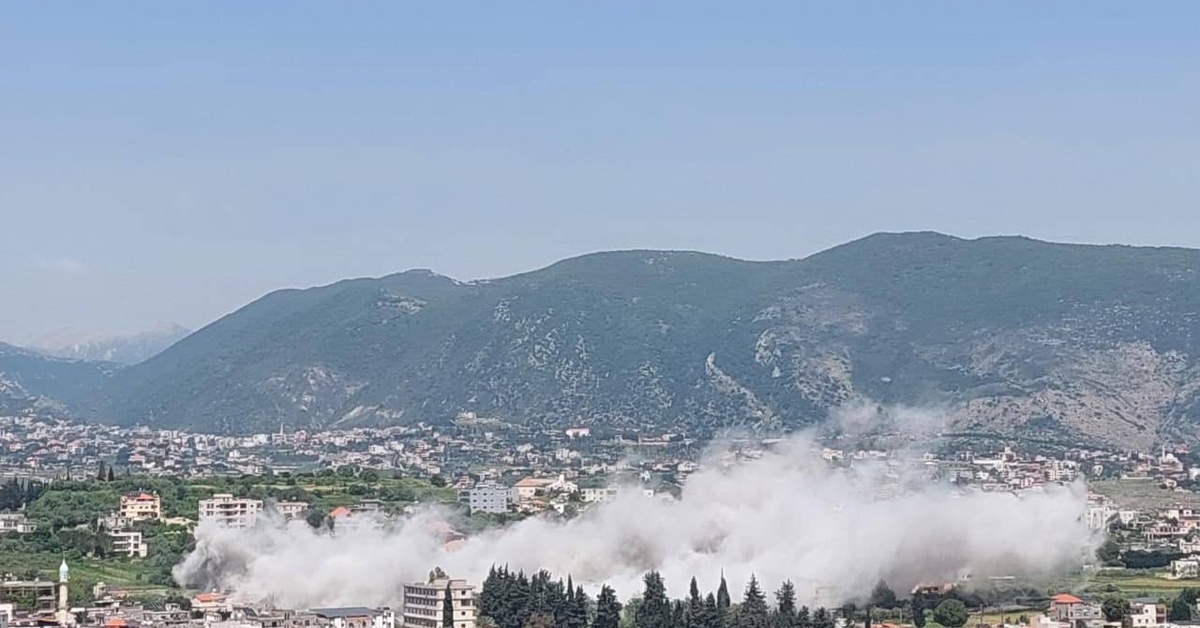
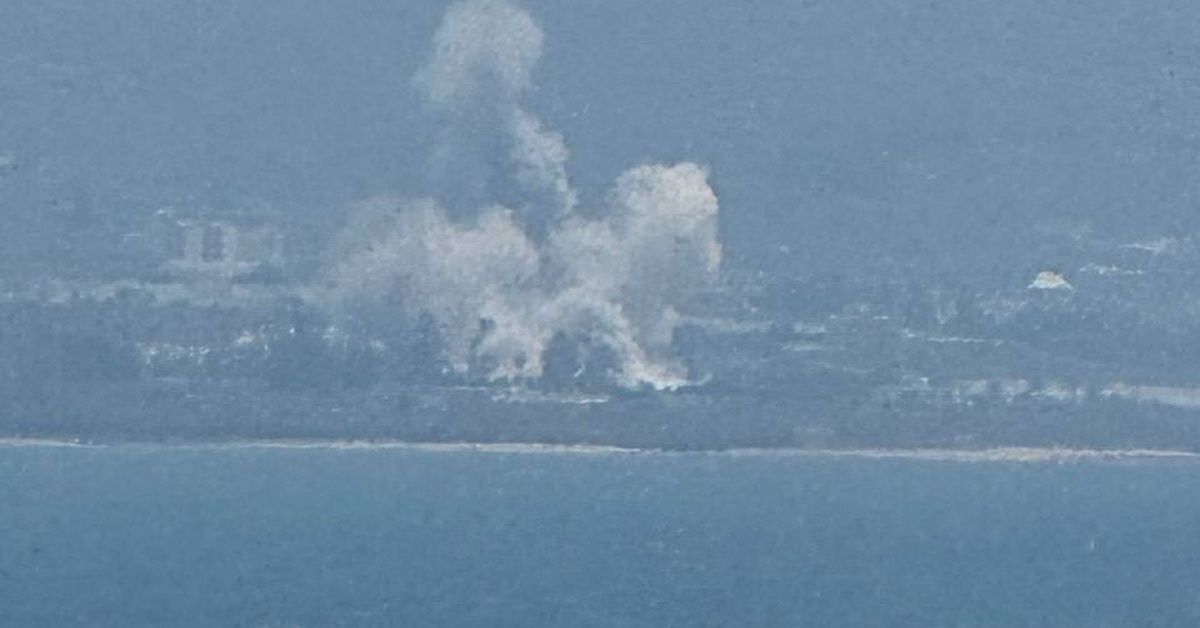
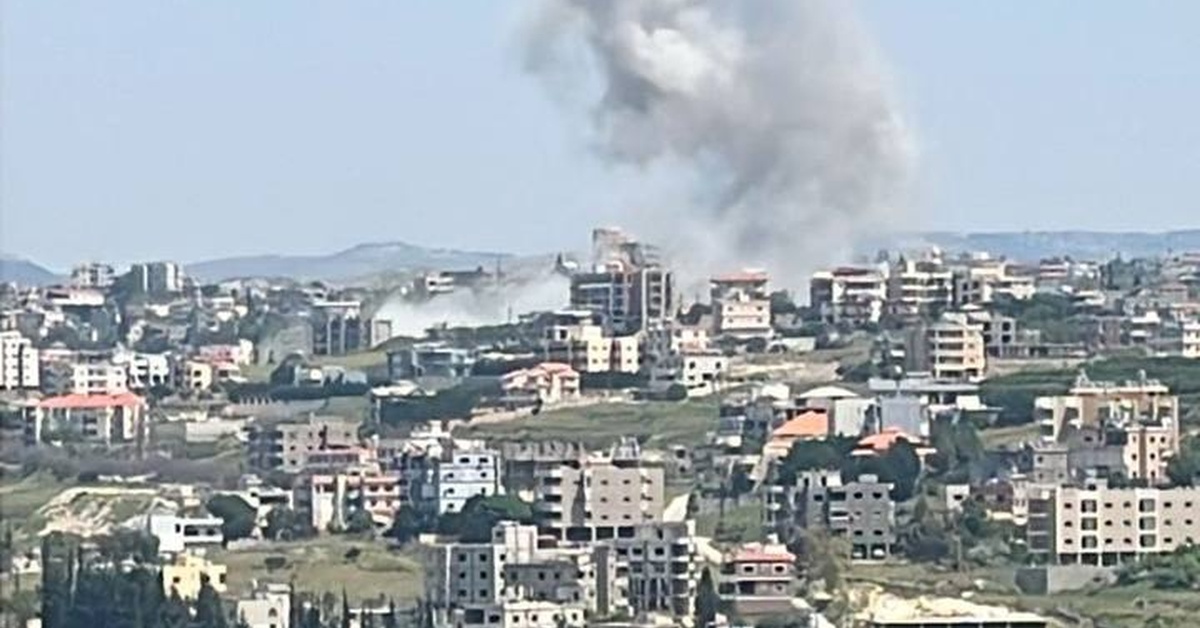
Beirut, Lebanon – In a significant escalation of military tensions, Israeli airstrikes targeted several villages in southern Lebanon overnight, killing at least two civilians and injuring several more. The strikes, carried out by Israeli fighter jets, hit the villages of Bayt al-Sayyad, Ain Baal, and Habboush, with residents describing scenes of devastation and chaos.
According to eyewitness accounts, the airstrikes began around 11 pm local time, with multiple explosions rocking the villages and sending residents fleeing for shelter. The Israeli military, in a statement released in the early hours of the morning, claimed that the strikes were in response to a rocket attack launched from Lebanon into Israeli territory earlier in the day.
However, Lebanese officials have denied any involvement in the rocket attack, with the Hezbollah militant group, which has a significant presence in the region, issuing a statement condemning the Israeli airstrikes as “brutal and unjustifiable.” The Lebanese Armed Forces, meanwhile, has called for calm and an immediate cessation of hostilities, warning that the region is on the brink of a full-blown conflict.
The airstrikes have sent shockwaves throughout the region, with concerns growing that the situation could spiral out of control. The European Union, the United Nations, and other international organizations have all issued statements calling for restraint and a peaceful resolution to the crisis.
The village of Bayt al-Sayyad, which was particularly hard hit by the airstrikes, has been evacuated, with residents fleeing to nearby safer areas. Emergency services are on the scene, providing medical aid to those injured in the strikes.
This latest round of violence comes against a backdrop of long-standing tensions between Israel and Lebanon, which have been exacerbated in recent months by a surge in violence along the border. The United States, which has been actively mediating efforts to de-escalate the conflict, has urged both sides to exercise restraint and engage in constructive dialogue.
As the situation continues to unfold, diplomats and military officials are holding emergency meetings to discuss a possible ceasefire and a way forward to defuse the crisis. The international community is keeping a close eye on the situation, with many warning that a failure to find a peaceful resolution could have far-reaching consequences for the region.