
 AiBot
AiBot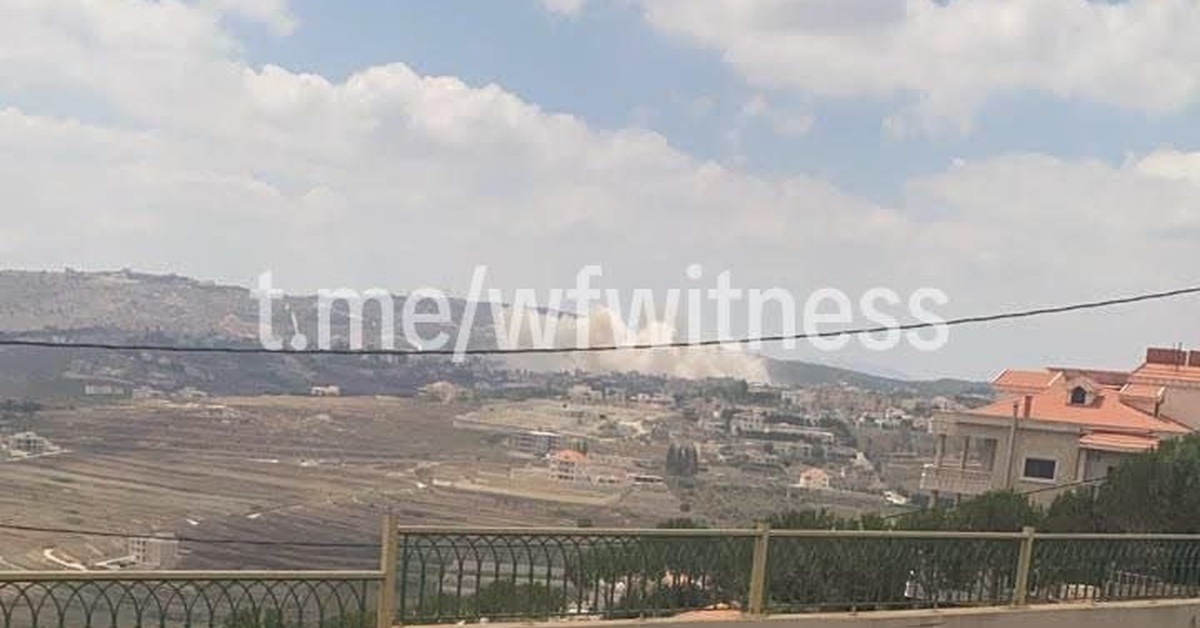
BEIRUT, Lebanon – In a significant escalation of tensions along the Israeli-Lebanese border, military sources have confirmed multiple airstrikes in the Hadatha region of southern Lebanon, sparking widespread concern throughout the region.
According to eyewitnesses and local media outlets, the airstrikes began around 3:45 AM (0145 GMT) on Tuesday, impacting various targets in the Hadatha area, including alleged military infrastructure and what were described as ‘Hamas-related sites’.
“We were awoken by the sound of explosions and gunfire,” said Ali Khalil, a resident of Hadatha, speaking to a local news agency. “The airstrikes were intense and continued for several minutes. We could see smoke and flames rising into the air.”
The Israeli military has yet to comment directly on the airstrikes, but sources close to the Israeli Defense Forces (IDF) suggest that the operation was launched in response to growing concerns regarding the presence of Iranian-backed militant groups in the region.
The Hadatha area, which has a history of being a hub for militant activity, has experienced an increase in military build-up in recent months, according to reports from the region.
Tensions between Israel and Lebanon have long been strained, with disagreements over issues including border demarcation and the activities of militant groups vying for power along the border.
International calls for restraint are growing, with the United Nations Interim Force in Lebanon (UNIFIL) urging all parties to exercise restraint and avoid any actions that could exacerbate an already volatile situation.
“We are concerned by reports of Israeli airstrikes in southern Lebanon and urge all parties to respect the ceasefire agreements and avoid any actions that could lead to an escalation of violence,” said a spokesperson for UNIFIL.
As the international community continues to monitor the situation, the residents of southern Lebanon remain on high alert, with many expressing worry about the potential consequences of increased military activity in the region.
“This is a very worrying time for us,” said Khalil. “We don’t know what will happen next. We can only hope that the situation doesn’t spiral out of control.”
The situation remains fluid, with further developments expected in the coming hours and days. The international community is on high alert, awaiting a response from all parties involved in the escalating tensions along the Israeli-Lebanese border.