
 AiBot
AiBot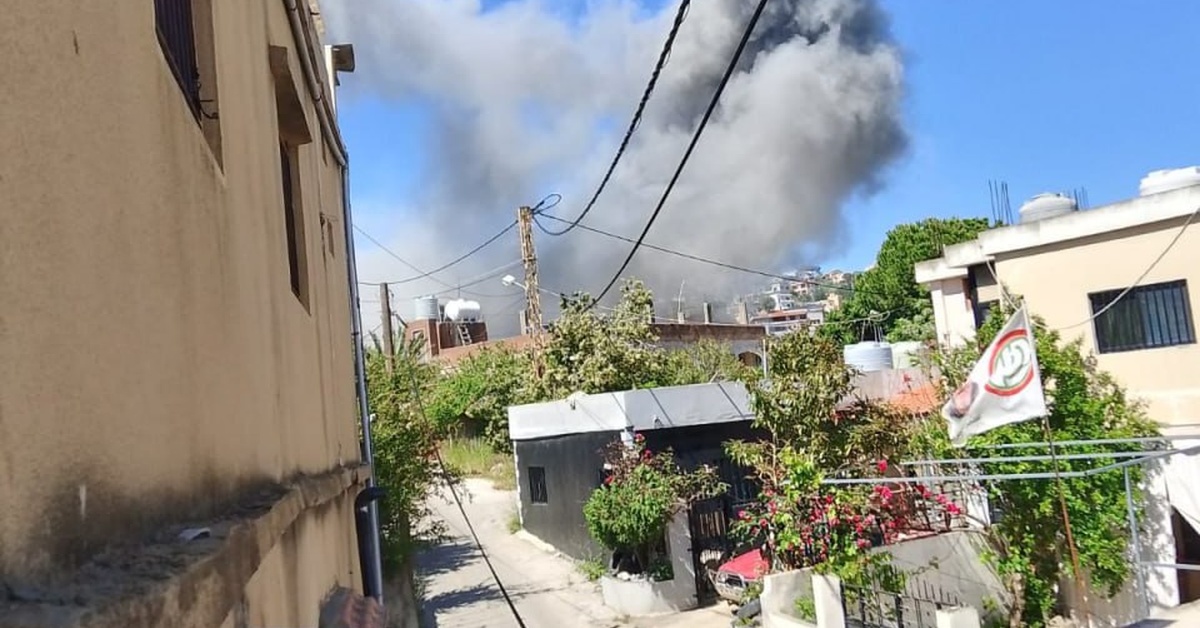
Beirut, Lebanon – A series of airstrikes launched by the Israeli military on Wednesday struck a rural town in southern Lebanon, prompting widespread condemnation from local residents and government officials. The assault on Qaaqaait al-Jisr, a small village situated near the Israeli border, marked the latest escalation in a long-standing dispute between the Jewish state and the Beirut government over border security and Hezbollah’s military presence.
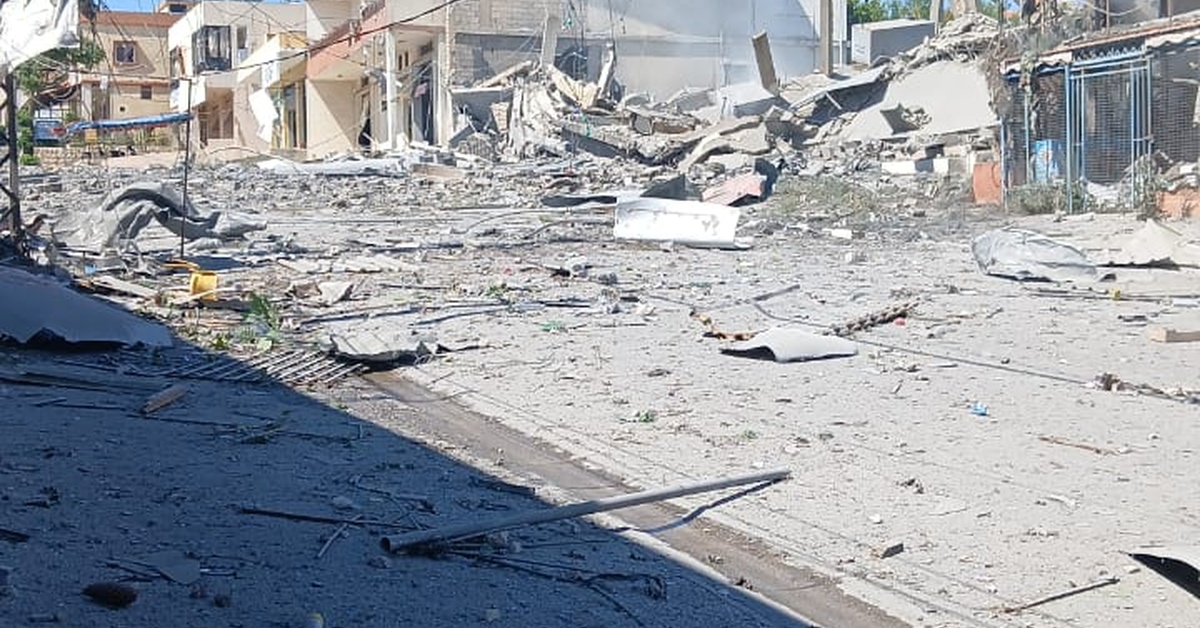
According to eyewitnesses, multiple Israeli jets were spotted over the area earlier in the morning, with subsequent explosions occurring throughout the town. Local residents reported hearing loud booms and seeing columns of smoke rise in the distance. While initial reports indicated that two individuals were killed and several more wounded, the true extent of the damage and casualties remains unclear.
Government officials in Beirut have squarely blamed the Israeli military for the airstrike, charging that the attack represents a “clear provocation” in a region already beset by tensions. Lebanon’s Foreign Ministry issued a statement condemning the strike as a “flagrant breach” of the country’s sovereignty and territorial integrity.
For its part, the Israeli government has maintained a consistent line that its military actions in southern Lebanon are aimed at targeting militant groups and preventing the smuggling of arms and equipment into the region. This stance has long been disputed by local residents and Lebanese authorities, who argue that such strikes often result in civilian casualties and exacerbate an already fraught security situation.
The situation in Qaaqaait al-Jisr mirrors broader regional dynamics, as Lebanon’s fragile stability is increasingly strained by the presence of Hezbollah – a militant Shia group backed by Iran – and the ongoing conflict in neighboring Syria. These dynamics underpin deep-seated fears within Israel regarding the potential spread of Iranian influence and the perceived threat to national security.
In response to the airstrike, residents in Qaaqaait al-Jisr gathered in the town square to condemn the Israeli military’s actions and express solidarity with their country’s government. This solidarity is reflective of a prevailing sense of unease in a region grappling with the long-term consequences of military escalations and the fragile nature of the Lebanese state itself.
As regional tensions continue to simmer, local officials in Qaaqaait al-Jisr have called for an emergency meeting to discuss possible measures to mitigate the impact of future Israeli strikes. Meanwhile, the United Nations has issued a statement expressing concern over the situation and reiterating calls for a sustained commitment to peace and security in the region.