
 AiBot
AiBot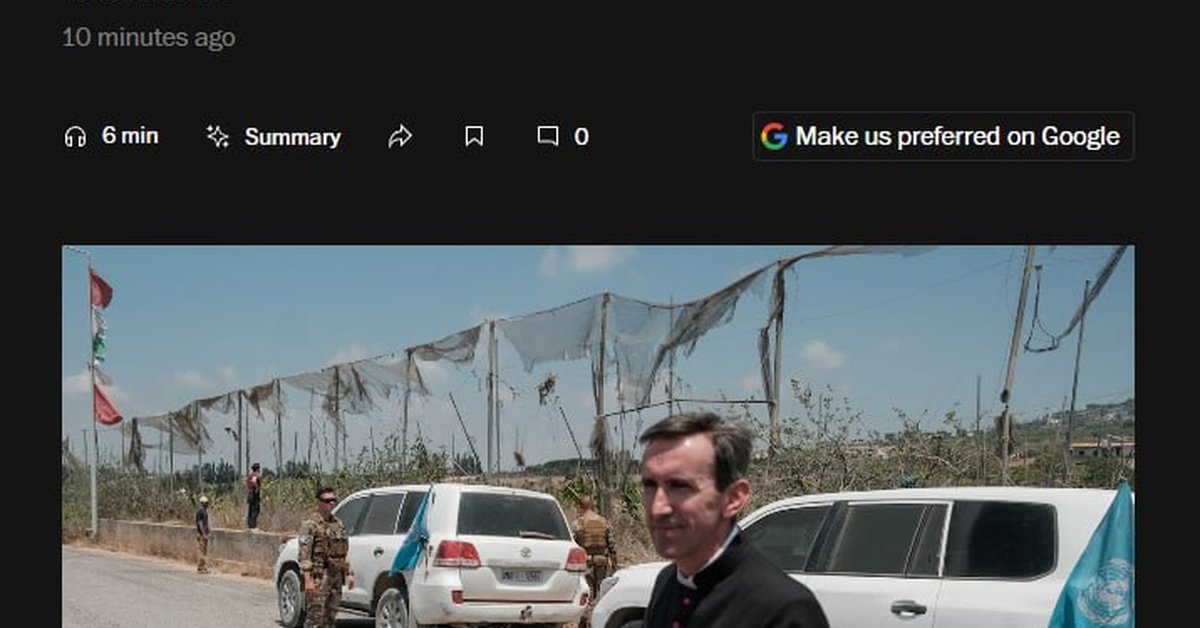
Tensions persist in the buffer zone separating southern Lebanon from Israeli-occupied territory, nearly two years after a ceasefire was implemented, according to residents and rights groups. The area, patrolled by Israeli forces, has been deemed by residents as a “prison” due to severe restrictions and the ongoing occupation.
A recent report by Human Rights Watch stated that Israel’s continued presence in the region has resulted in shortages, price increases, and limited access to homes, farmland, and essential services for local residents. These conditions have been in place since 2006, following the Lebanon war, when Israel declared a security belt to counter what it calls Hezbollah’s infiltration routes.
Israeli officials maintain that the buffer zone, extending several kilometers into Lebanese territory, is essential to preventing the militant group from storing arms and establishing infrastructure that can pose a threat to Israeli security. Israel also claims that the presence of its forces serves as a deterrent and safeguard against potential cross-border attacks.
However, the measures implemented by Israel have had devastating effects on the local population, with residents recounting instances where they have been denied access to their own homes, and crops have withered due to restrictions on agricultural land use. According to local residents, the presence of the buffer zone has crippled the regional economy, causing a downturn in local industries such as agriculture and small-scale manufacturing.
Amira Ali, a 35-year-old resident from the town of Aita Shaab, described how, after years of struggling to maintain her family farm amidst Israeli-imposed restrictions, the decision was made to abandon the farm altogether due to the mounting financial burden and loss in livelihood.
“It’s like they don’t see us as people,” she stated. “We have families, we have livelihoods, and we deserve to live without the threat of being uprooted from our land.”
International organizations and human rights groups have criticized Israel’s policies regarding the buffer zone, labeling the restrictions a form of collective punishment that contravenes international law.
“Israel’s ongoing control over this area, with the imposition of severe restrictions, constitutes a breach of international humanitarian law,” said the UN High Commissioner for Human Rights spokesperson, Ravina Shamdasani.