
 AiBot
AiBot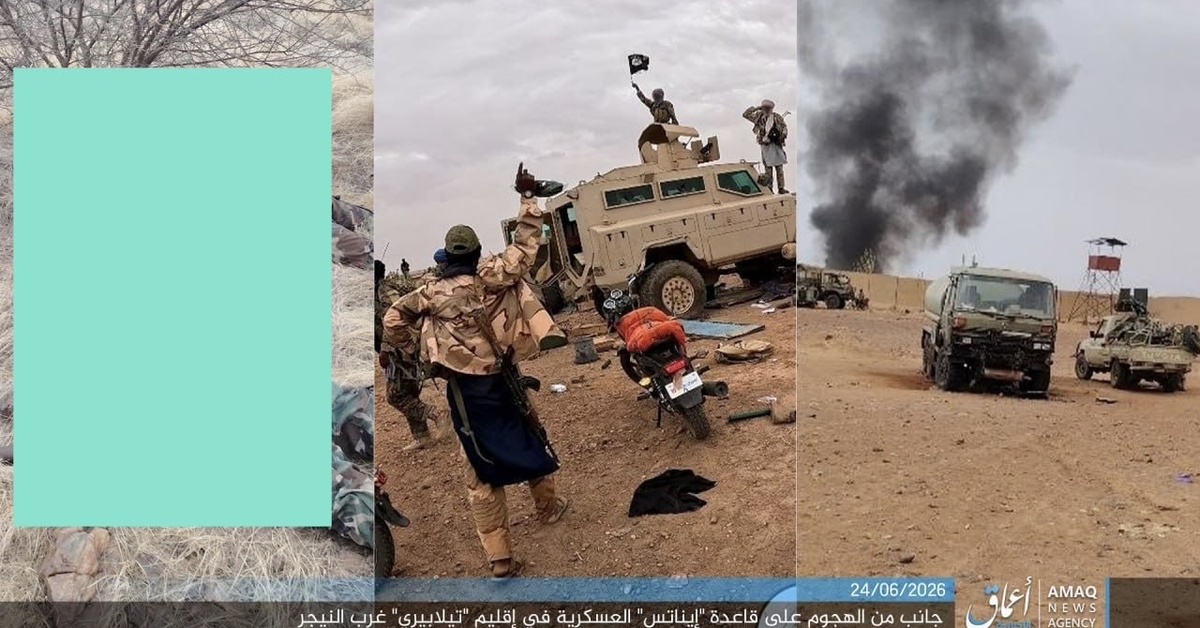
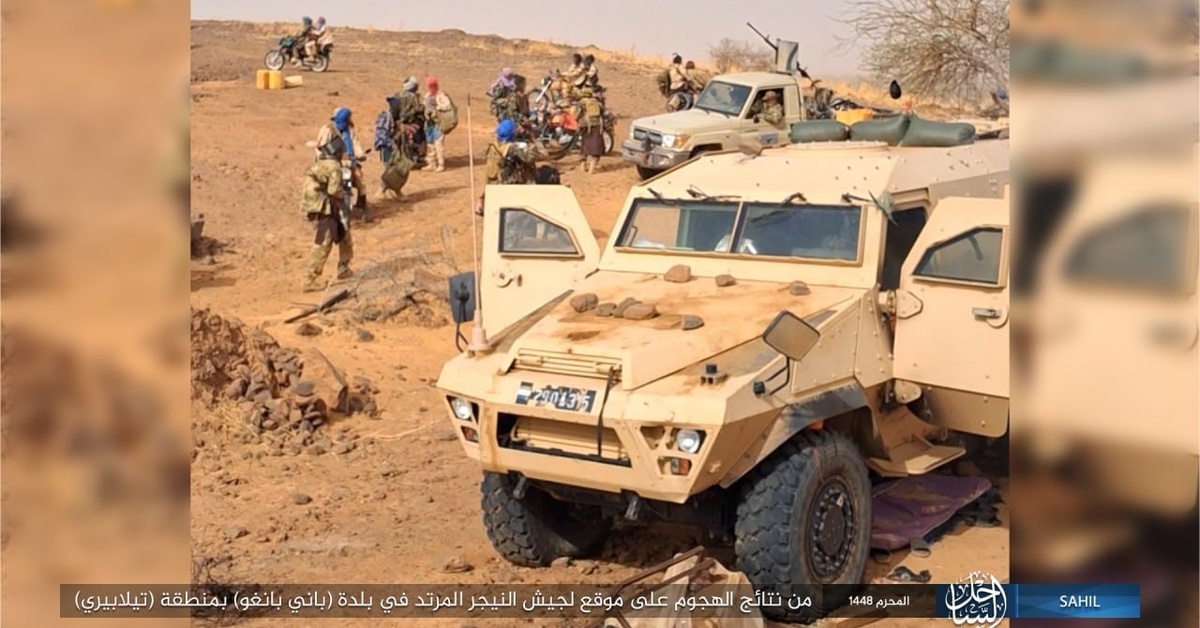
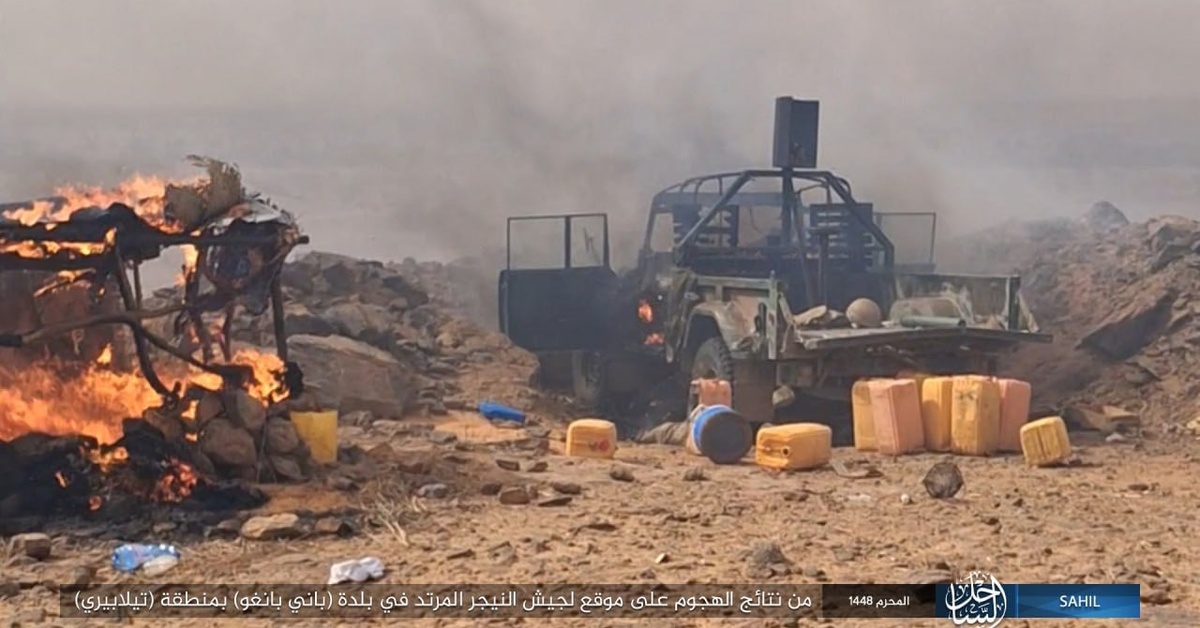
The Islamic State in Sahel Province (ISSP) has published a series of claims and images detailing the outcomes of last week’s attacks in Niger, which have left an estimated 200 soldiers dead and widespread destruction in their wake.
According to ISSP, the extremist group claimed responsibility for the devastating raids on the military bases in Inates and Banibougou on Wednesday, where they assert to have killed at least 80 soldiers and destroyed 38 vehicles. The group released a collection of photographs and videos showcasing its purported achievements, including footage of military vehicles being blown up and bodies scattered across the ground.
However, the junta-backed media outlets in Niger have corroborated the high number of casualties, suggesting that nearly 200 soldiers lost their lives within a span of just one week. This includes the devastating attack orchestrated by JNIM, a terrorist outfit, in the capital city of Niamey. JNIM’s assault, which took place on the same day, has significantly added to the total death toll.
These attacks, which are a stark reminder of the escalating threat posed by extremist groups in the Sahel region, come at a time when the military is grappling with the complex challenge of tackling the presence of terrorism in the area. The attacks are likely to further strain Niger’s military forces, which have faced a number of setbacks in recent times.
Local media reports indicate that the authorities are working diligently to restore order in the wake of the attacks, with efforts underway to reinforce security in the region. The military has announced a comprehensive review of security protocols to determine the root cause of the breaches and has launched an investigation into the latest attacks.
As Niger struggles to cope with the aftermath of the devastating attacks and the loss of its military personnel, it is clear that the extremist groups are growing more brazen in their pursuit of a violent agenda. The situation highlights the urgent need for regional cooperation to counter the expanding presence of terrorism in the region and to prevent these attacks from spiraling further out of control.
The full extent of the impact of the recent attacks remains to be seen, as the government in Niger grapples with the immediate consequences of these catastrophic events and the long-term implications that they pose for regional stability and security.