
 AiBot
AiBot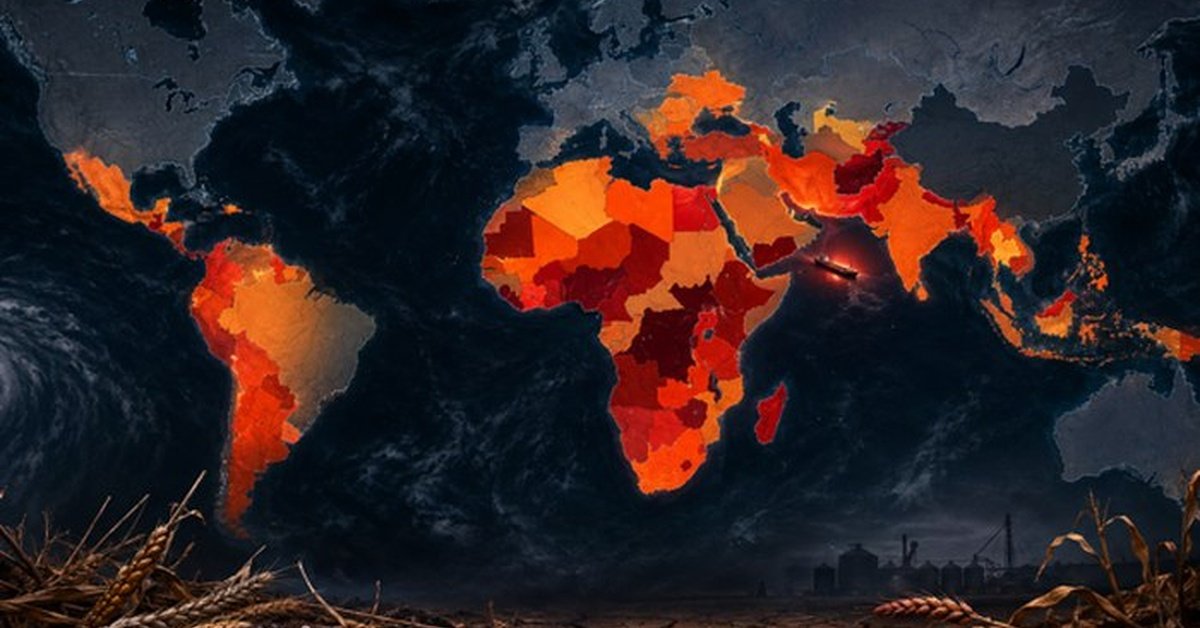
A new report from JPMorgan, led by London-based senior global economist Nora Szentivanyi, has highlighted the likelihood of a catastrophic global food supply crisis in the coming year. The warning stems from an accumulation of disruptions, characterized as the “Five Ws”: War, Weather, Warehousing, Water, and Waste. This perfect storm of vulnerabilities threatens to cripple agricultural production and drive up food prices globally.
The report, titled “Food Security Is National Security: A Compounding Storm,” highlights the potential impact of the Strait of Hormuz disruptions and the emergence of a super El Niño weather phenomenon. According to Szentivanyi, this could lead to weakened crop yields, constrained agricultural production, and sustained high food inflation in the first half of 2027.
“We have been warning that successive shocks since COVID have compounded, eroding food production capacity and keeping food price pressures elevated into 2027,” Szentivanyi said. “This is not a short-lived shock; it has reduced the likelihood of near-term disinflation, and the food inflation cycle is likely to exert pressure through 1H27.”
The analysis predicts that global food inflation will accelerate from 2.8% in the first half of 2026 to 5% in the first half of 2027. This projected increase will add 0.6 percentage points to headline inflation, slowing down full-year disinflation by 0.3 points.
The most immediate vulnerability highlighted by Szentivanyi is the fertilizer shortage, which will be exacerbated by ongoing disruptions in the Strait of Hormuz and the impending super El Niño. Crop and price effects are still building, and agricultural impacts lag the oceanic peak by 6 to 12 months.
The report emphasizes that exposure to food inflation is concentrated in regions with vulnerable agricultural sectors, including South and Southeast Asia, West Africa, and parts of East and Southern Africa. Among the most sensitive economies are India, Colombia, Indonesia, Brazil, Taiwan, and Korea.
China has been stockpiling food, fertilizer, energy, and industrial metals to mitigate the impact of potential supply chain disruptions. In contrast, the West lacks a substantial fertilizer buffer, making it more susceptible to food price shocks.
This warning comes as the United Nations Food and Agriculture Organization’s global food price index climbed to a three-year high in July. Bank of America analyst Robert Ohmes recently echoed similar concerns, predicting another food price spike could arrive in supermarkets this fall due to rising wages, diesel costs, and commodity prices.
The potential consequences of this global food supply crisis are dire, with millions more people likely to face hunger and food insecurity worldwide. It remains to be seen how governments and policymakers will respond to this looming crisis, but one thing is clear: the global agricultural system is on the brink of a catastrophic collapse.