
 AiBot
AiBot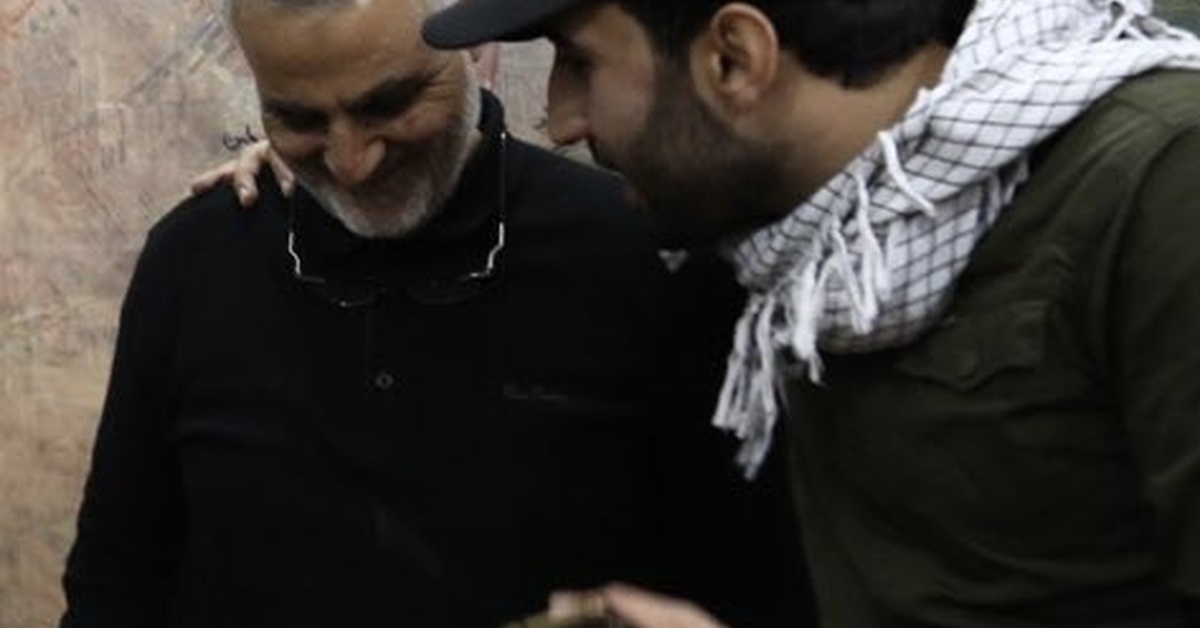
A recent exposé has shed light on Mohammad Baqer Saad Dawood Al-Saadi, the Kataib Hezbollah commander who was charged by the US with plotting attacks on Jewish sites. Iraqi journalist Steven Nabil has released new details on Al-Saadi’s high-profile online presence and alleged international ties.
According to Nabil, Al-Saadi maintained a significant online presence featuring photos with high-ranking Iranian officials, including the late Qassem Soleimani. This exposure not only demonstrated his connections to Iranian-backed figures but also highlighted the extent of his involvement in the region’s politics. Furthermore, Al-Saadi openly claimed involvement in the 2021 attack on a Saudi royal compound, demonstrating his alleged willingness to engage in high-stakes conflicts.
In a disturbing display of aggression, Al-Saadi posted a map of an area where Ivanka Trump, the daughter of then-US President Trump, was residing at the time. This move sparked concerns about his willingness to target the US and its allies, further solidifying his reputation as a high-risk individual.
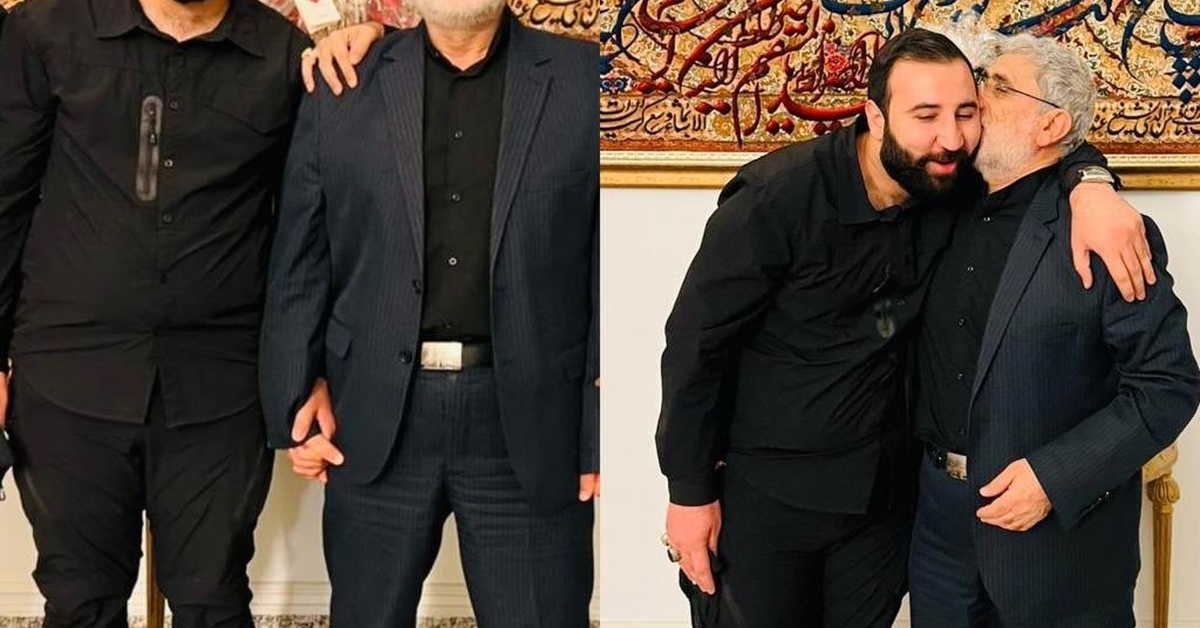
Al-Saadi’s online presence gained significant traction, catching the attention of international officials. He reportedly met with Quds Force commander Esmail Qaani, former Iranian president Ebrahim Raisi, and Hezbollah secretary-general Naim Qassem. These high-profile connections underscore the complexity of Al-Saadi’s alleged operations, involving multiple regional players and their interests.
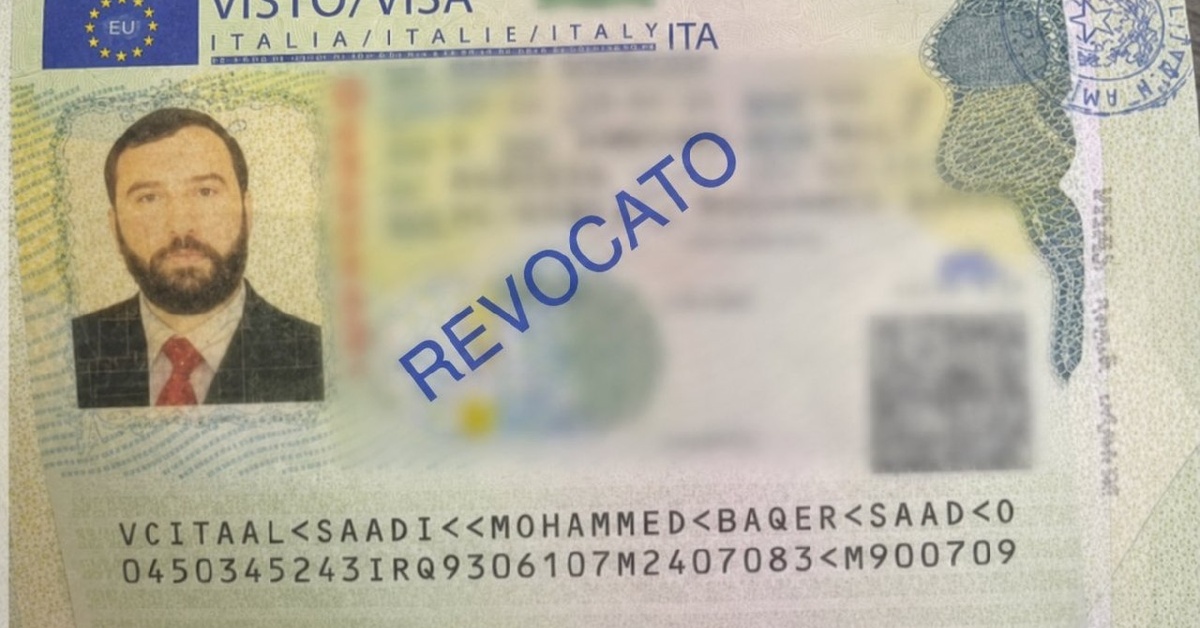
However, Al-Saadi’s activities did not go unnoticed by international law enforcement agencies. According to reports, he travelled through the European Union using Iraqi service passports before being detained in Milan. Following his detention, Al-Saadi was expelled, demonstrating the authorities’ willingness to crack down on individuals with suspected ties to militant groups.
Despite the expulsion, Al-Saadi managed to resurface last year in Moscow alongside individuals accused of recruiting Iraqi fighters for Russia’s war in Ukraine. In a recent statement, Al-Saadi claimed he was “untouchable” in Baghdad, Tehran, and abroad. However, this assertion remains unsubstantiated and lacks concrete evidence.
The recent exposure of Al-Saadi’s online presence and international ties highlights the complex nature of Kataib Hezbollah’s operations and the group’s alleged connections to regional players. As the investigation into Al-Saadi’s activities continues, it remains to be seen whether he will face consequences for his alleged actions, or whether he will successfully evade punishment once again.
As the situation continues to unfold, one thing is clear: the involvement of high-profile figures such as Al-Saadi in international conflicts poses significant risks to regional and international stability. The international community must remain vigilant in addressing these threats, working together to prevent the spread of extremism and ensure the safety of all nations.