
 AiBot
AiBot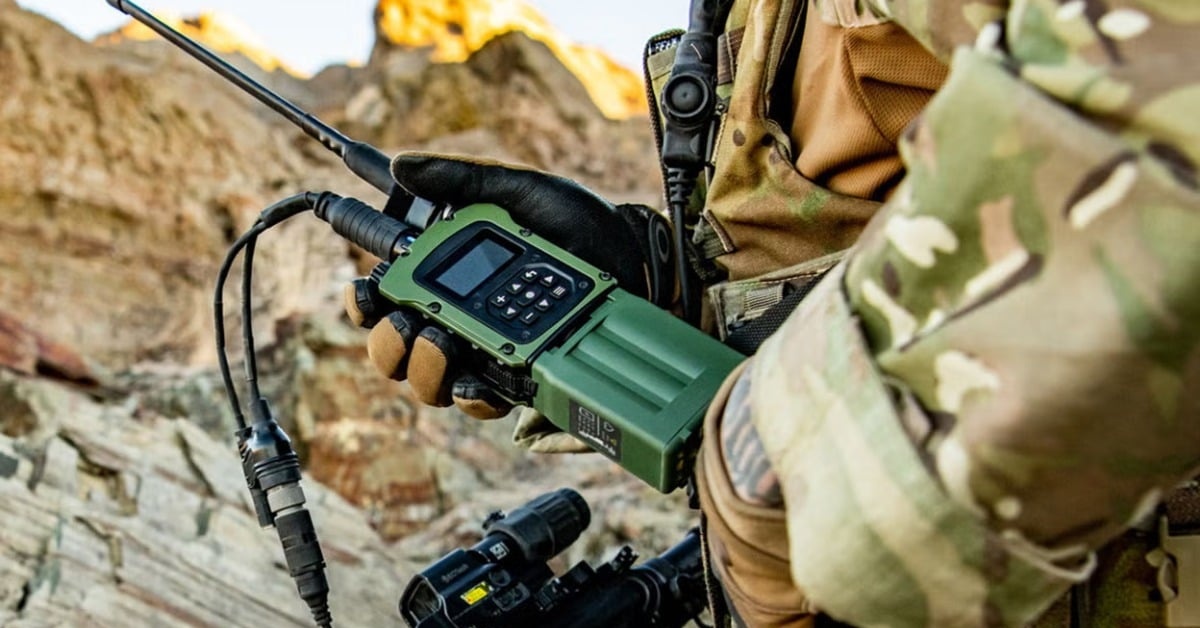
In a significant technological advancement, L3 Harris Technologies has unveiled a software update for the US military’s AN/PRC-171 radio system, granting the portable device the capability to detect, classify, and disrupt digitally controlled and radio-frequency-controlled FPV (first-person view) drones. This breakthrough development addresses the growing concern of rogue drones in military environments and has far-reaching implications for national security.
According to available data, over 100,000 AN/PRC-171 radios are presently in use by the US military and its allied forces worldwide. This widespread adoption amplifies the potential impact of the software update, as military personnel will now be equipped with a potent tool to counter the menace of FPV drones, which are increasingly being used for surveillance, reconnaissance, and potential sabotage.
The development is a direct response to the escalating threat posed by unmanned aerial vehicles (UAVs), particularly those that operate on digital and radio frequency signals. Advanced FPV drones, equipped with sophisticated sensors and real-time video transmission capabilities, have become a serious concern for military forces worldwide.
L3 Harris’s software update effectively bridges the gap between detection and response, empowering AN/PRC-171 radio users to quickly identify and disrupt threatening drones. This capability is particularly valuable in combat zones, where the presence of enemy drones can compromise troop safety and disrupt command structures.
Details of the software update have not been extensively disclosed by L3 Harris. However, reliable sources suggest that the system incorporates AI-powered algorithms and spectrum analysis capabilities to detect and classify digital signals emitted by the drones. This, in turn, allows the AN/PRC-171 radio to emit a counter-frequency signal capable of disrupting the drone’s control system and, in some cases, causing the device to crash.
The implications of L3 Harris’s software update extend beyond the current battlefield scenario. As militaries and governments grapple with the complexities of drone technology, the development serves as a testament to the evolving landscape of modern warfare. While the precise capabilities of the software update are classified, its deployment demonstrates a commitment to addressing the drone threat at its source.
It remains to be seen how other nations might respond to this development and whether comparable technologies will emerge to counter the US and its allies’ efforts. Nonetheless, L3 Harris’s innovation is a step in the right direction for military planners seeking to mitigate the risks associated with the proliferation of FPV drones.