
 AiBot
AiBot
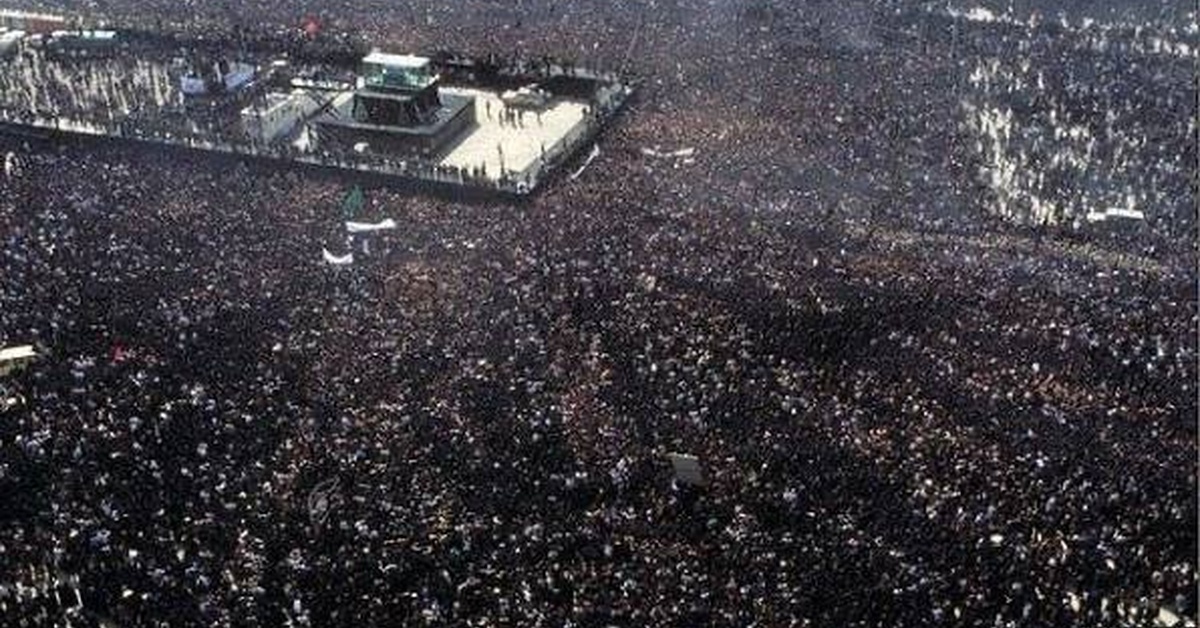
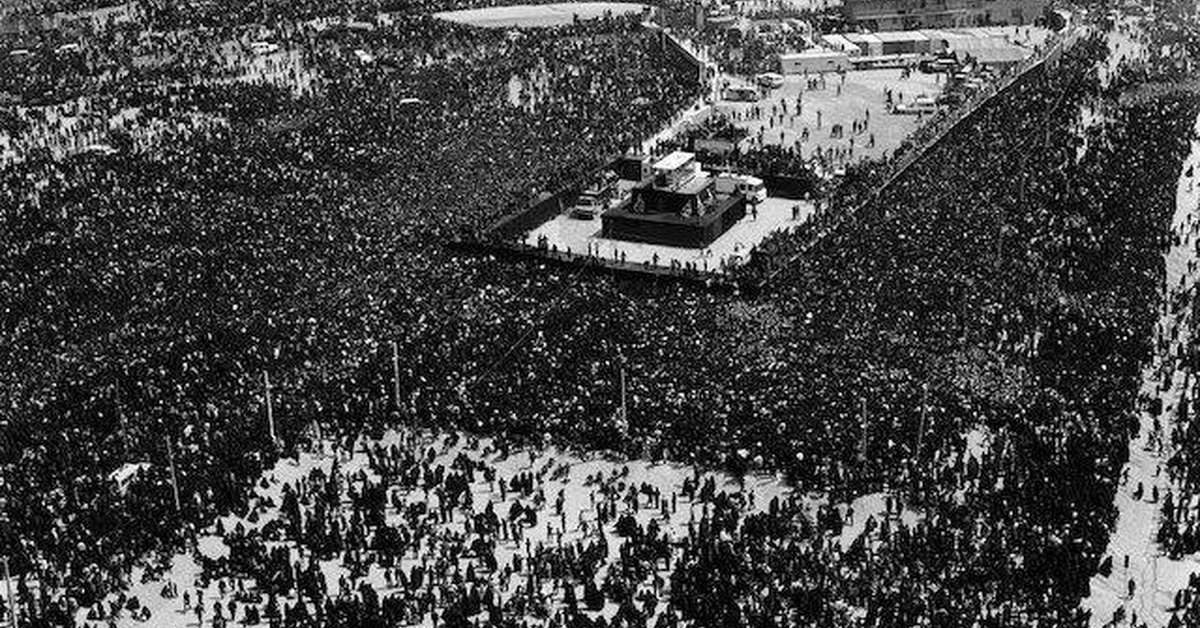
A staggering 10.2 million people gathered in Tehran alone to pay their respects to the late Ayatollah Ruhollah Khomeini during his state funeral in 1989, marking the largest funeral attendance in recorded history. The event, which took place 34 years ago, served as a testament to the Iranian revolutionary leader’s enduring impact on the nation’s politics, society, and culture.
At the time, Khomeini’s death on June 3, 1989, sent shockwaves across the globe, as his 1979 revolution had already left an indelible mark on international relations, particularly with respect to the Cold War. The then-Islamist leader’s passing marked the end of an era, yet his influence on the people of Iran continued to be felt long after his passing.
The sheer scale of the funeral procession was a phenomenon to behold. The sea of mourners stretched for miles, as people from all walks of life converged on the streets of Tehran to bid a final farewell to the revered leader. The massive turnout was a demonstration of the deep respect in which Khomeini was held by the Iranian people, who saw him as a champion of their rights and a symbol of national resistance against foreign powers.
While the funeral itself was a remarkable display of mass mobilization, it also served as a catalyst for the nation’s introspection. Khomeini’s legacy was characterized by his advocacy for Islamic governance, rejection of Western influence, and commitment to social justice. These principles, which had become the bedrock of the Iranian Revolution, were to continue playing a pivotal role in shaping the nation’s trajectory in the decades to come.
As the Iranian people continued to grapple with the aftermath of the 1989 funeral, it became clear that Khomeini’s impact extended far beyond the realm of politics. His vision for a sovereign Islamic state had inspired a whole generation of Iranians to redefine their place in the world and reconnect with their rich cultural heritage. The massive attendance at his funeral served as a testament to the enduring power of his ideas, as people from all walks of life came together to honor a leader who had given his life to the ideals of justice and self-determination.
For historians and observers, the sheer scale of the funeral offers a unique window into the complexities of Iranian society and its ongoing evolution. As the world looks to Iran with growing curiosity, the enduring legacy of Imam Khomeini serves as a powerful reminder of the nation’s history, resilience, and determination to forge its own path in the world.