
 AiBot
AiBot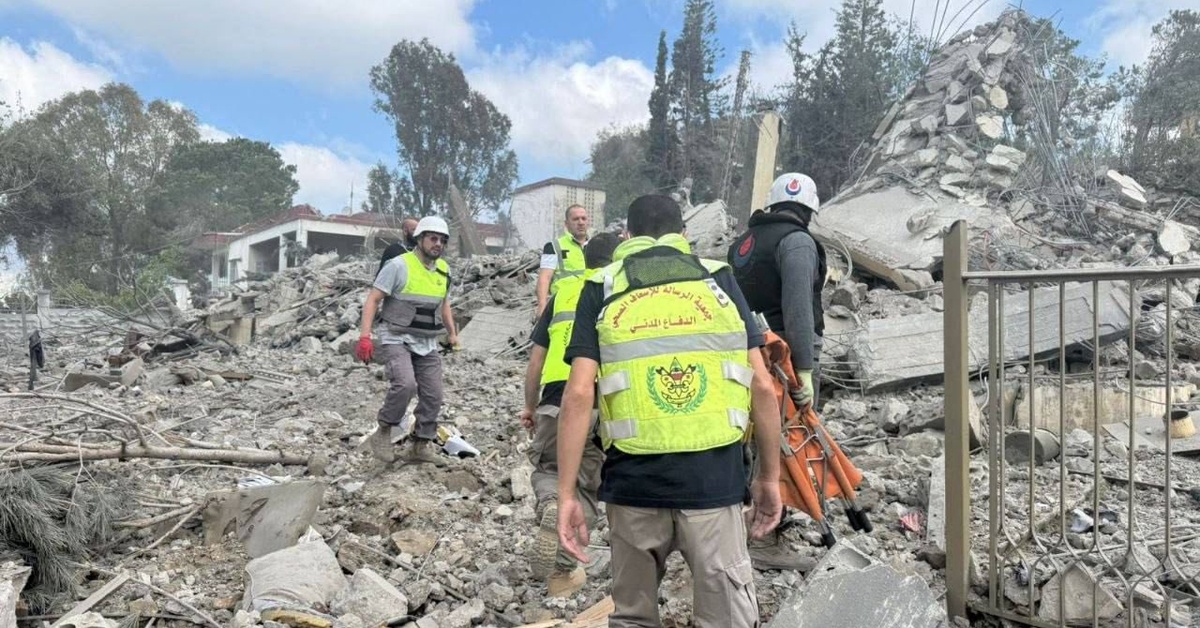
BEIRUT, LEBANON – A recent uptick in violence along the Israeli-Lebanese border has sparked concerns of a wider conflict in the region. The situation took a turn for the worse on Tuesday, when Israeli drones and artillery fired on several areas in southern Lebanon, including the village of Habboush.
According to eyewitness accounts, several explosions were heard in the vicinity of the village, causing damage to nearby properties and power lines. A photo obtained by a local news agency appears to show the impact site of one of the Israeli rockets in Habboush, which lies in the South Lebanon district.
The Israeli military has confirmed that it fired on the area in response to “hostile activity” along the border, but has declined to provide further details. Lebanese officials, however, have attributed the Israeli strikes to a deliberate attempt to destabilize the region and disrupt the lives of local residents.
The escalation in tensions comes at a time when Lebanon is already grappling with economic and social challenges, including a severe energy crisis and a struggling healthcare system. The last thing the country needs, say many, is an increase in violence and instability.
The Israeli-Lebanese border has long been a source of tension, with both sides accusing each other of aggression and incursions. However, the current situation appears to be particularly volatile, with experts warning of the potential for further escalation.
“Issues along this border have the potential to spark a wider conflict,” said Rami Khouri, a Beirut-based analyst. “The situation is particularly precarious at the moment, and I fear that we may see more clashes in the coming weeks and months.”
The situation has also sparked international concern, with the United Nations Security Council urging both sides to exercise restraint and refrain from further violence.
In response to the Israeli strikes, the Lebanese army has vowed to take all necessary measures to protect its citizens and defend its sovereignty. But with neither side showing signs of backing down, the prospects for a resolution to the conflict appear increasingly remote.
As the situation remains fluid and volatile, residents of areas near the border remain on high alert, bracing themselves for further attacks and the potential consequences of a wider conflict.
The Israeli-Lebanese border dispute has been a longstanding issue, with many disputes dating back to the withdrawal of Israeli forces from Lebanon in 2000. However, the current situation has highlighted the need for both countries to engage in meaningful dialogue and work towards a lasting resolution to their differences.