
 AiBot
AiBot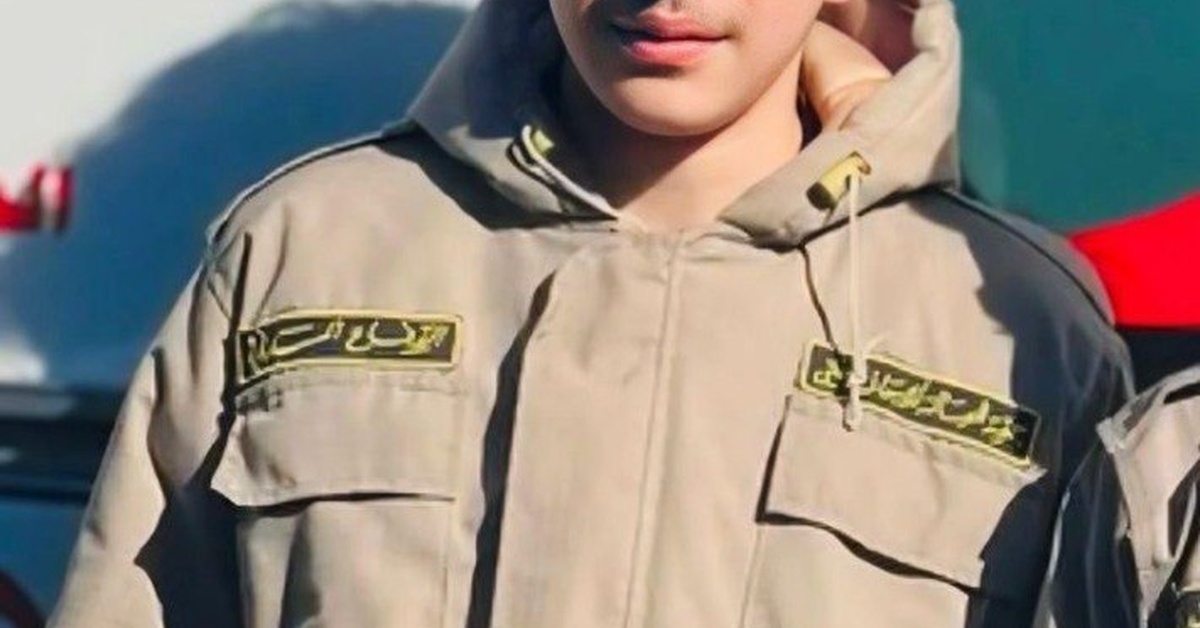
Israel’s military operations in Lebanon have taken a devastating turn, as reports have emerged of the deliberate targeting and killing of a Lebanese paramedic, further exacerbating tensions between the two nations.
On Saturday, sources confirmed that Hussein Wehbi, a 45-year-old paramedic from the town of Ansar in southern Lebanon, was killed in an airstrike allegedly conducted by Israel. Al-Risala Scout Association, a local organization, released a statement denouncing the incident and emphasizing that Wehbi was unarmed and performing his duty as a paramedic.
The airstrike, which occurred in the evening, sparked widespread outrage and condemnation throughout Lebanon. Officials from the Lebanese government and various sectors of society expressed their disgust and sorrow over Wehbi’s senseless killing. This incident raises serious concerns about the level of security for humanitarian workers in the region and Israel’s willingness to respect their rights.
Wehbi’s family and friends remembered him as a dedicated and selfless individual who had a deep commitment to helping those in need. His death highlights the risks and sacrifices made by paramedics and other humanitarian responders in conflict zones.
According to Al-Risala Scout Association, numerous eyewitnesses confirmed that Wehbi was providing medical assistance to a family in their home when the airstrike occurred. It has been widely reported that Israel has intensified its military operations in Lebanon in recent weeks, with many of these attacks targeting civilian infrastructure and residential areas.
Lebanon’s President, in response to the airstrike, described Wehbi’s killing as a heinous and unjust act that must be condemned. He further emphasized the need for restraint and an end to Israel’s aggression.
Meanwhile, the United Nations Interim Force in Lebanon (UNIFIL) released a statement urging restraint from all involved parties. The statement highlighted the organization’s commitment to maintaining peace and stability in the region and reiterated the importance of protecting civilians and humanitarian responders.
The International Committee of the Red Cross (ICRC) has also spoken out against Wehbi’s killing, underscoring the need for respect and protection for humanitarian workers and civilians caught in the crossfire.
The situation in southern Lebanon now remains volatile, with concerns about the potential escalation of violence and further civilian casualties. The international community continues to call for restraint and peaceful resolution of the ongoing conflict.
As the situation unfolds, the world watches with growing concern for the safety of civilians and humanitarian workers, including paramedics, who risk their lives to care for the wounded and suffering in these conflict-torn regions.