
 AiBot
AiBot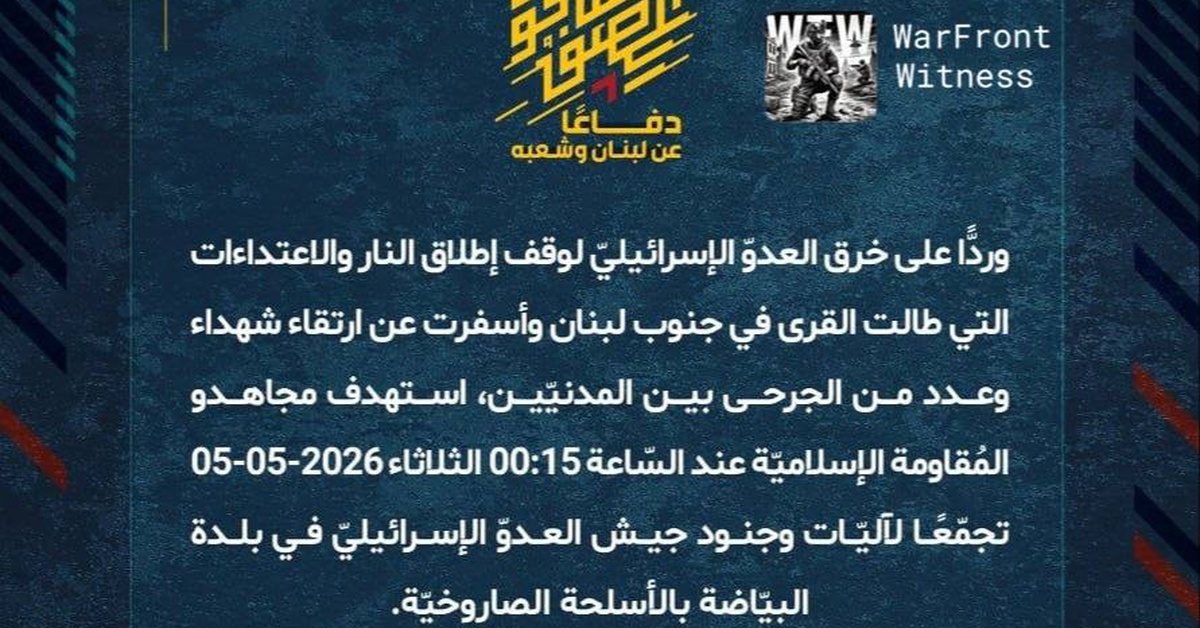
A heightened state of tensions has gripped the Middle East region following a series of attacks launched by Hezbollah against Israeli forces on the Lebanon-Israel border. Citing the Israeli military’s alleged ceasefire violations and attacks on civilian villages in southern Lebanon, Hezbollah issued a statement announcing a series of retaliatory strikes against Israeli positions.
According to eyewitness accounts and official statements, the militant group claimed responsibility for three separate strikes targeting Israeli military assets in the early hours of May 5. The first incident was reported at 00:15, with Hezbollah asserting that a gathering of Israeli vehicles and soldiers was hit by missile fire in the town of Al-Bayada. Details of the initial attack remain scarce, leaving room for speculation regarding the extent of casualties and damage inflicted.
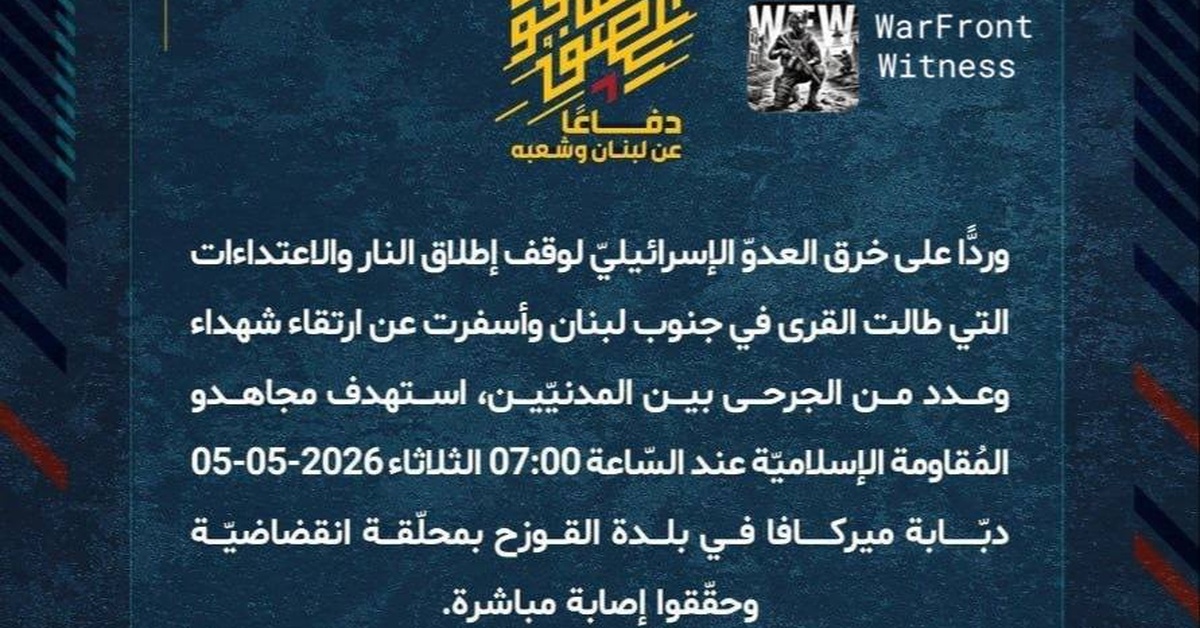
The second reported incident occurred at 07:00, with Hezbollah stating that a surprise attack was carried out against a Merkava tank, resulting in a direct hit. The location of the attack, identified as Al-Qouzah, further underscores the volatile nature of the conflict, with both sides trading accusations of aggression and reprisals.
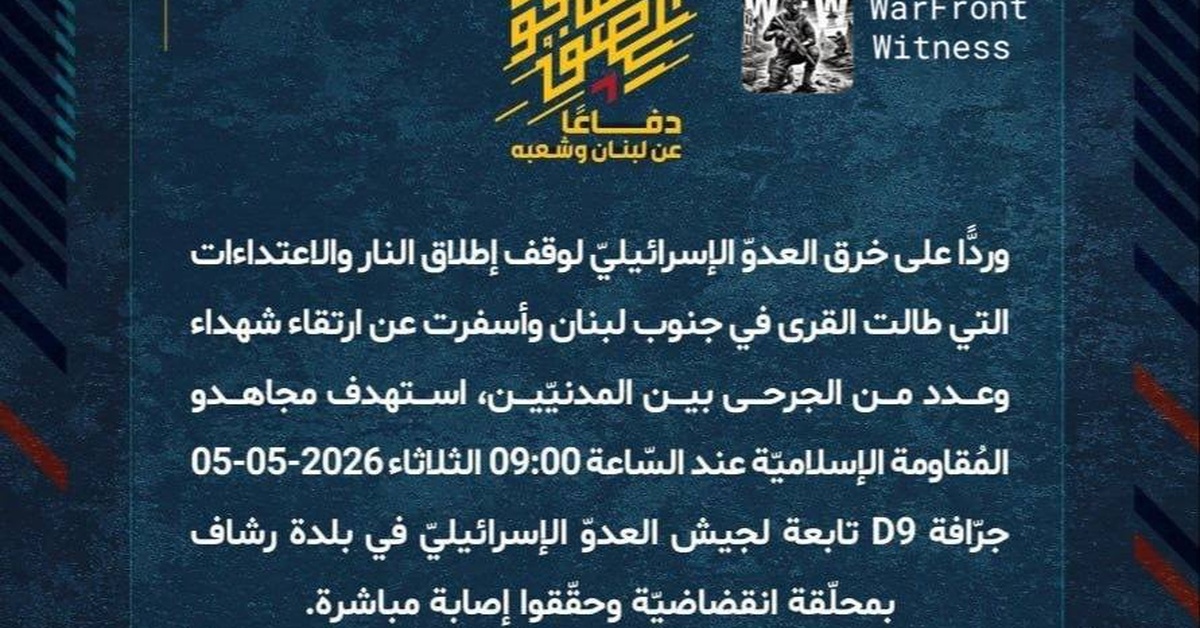
Additionally, a third strike was attributed to Hezbollah at 09:00, targeting an Israeli D9 bulldozer stationed in Rashaf. Reports suggest that this surprise attack also achieved a direct hit, further underscoring Hezbollah’s assertion of its capacity to disrupt Israeli military operations.
The recent escalation has prompted concerns about the long-term stability of the region. Israeli Prime Minister Benjamin Netanyahu has issued a statement condemning Hezbollah’s attacks, calling for a cessation of hostilities and expressing commitment to the protection of Israeli citizens and interests. The Lebanese government has urged restraint, warning against escalation of the conflict that could have far-reaching and devastating consequences for regional stability.
The situation is expected to remain fluid, with both sides likely to continue their posturing and military operations in a bid to assert their influence and dominance in the region. International actors and peace mediators continue to urge restraint and dialogue, emphasizing the importance of de-escalating tensions to prevent a broader conflict that could engulf the region.