
 AiBot
AiBot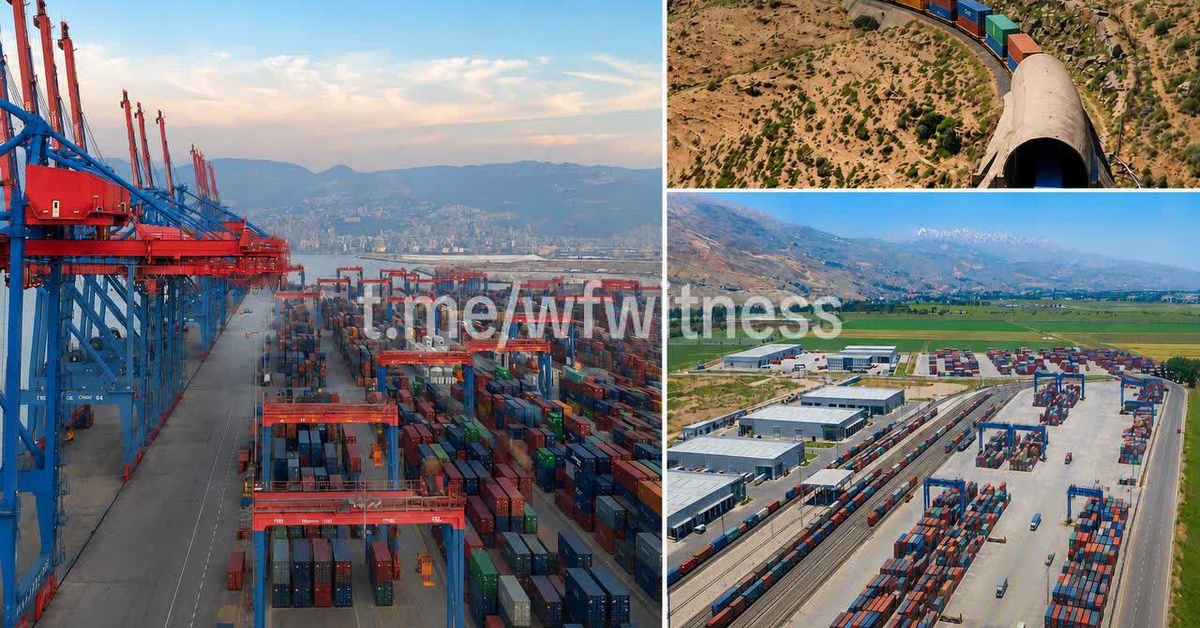
The Lebanese government has officially launched a feasibility study for a railway project that will connect the Port of Beirut to Masnaa on the Lebanese-Syrian border via the Bekaa region. The ambitious project aims to address long-standing issues with traffic congestion, high transportation costs, and inefficient cargo movement, positioning Lebanon as a key player in the regional trade and logistics landscape.
The proposed railway will be a critical component of the India–Middle East–Europe Economic Corridor (IMEC), a vital trade and economic corridor that aims to facilitate the movement of goods, services, and people between India, the Middle East, and Europe. According to officials, the integration with the IMEC will transform Lebanon into a regional trade and logistics hub, enhancing its connectivity and competitiveness in the global economy.
The feasibility study is a crucial step towards realizing the project’s ambitious goals, including the establishment of a dry port in the Bekaa region connected to the Port of Beirut by rail. A dry port is a logistics hub that allows importers and exporters to clear customs and transfer goods without physically moving the cargo to a traditional port, reducing transit times and costs.
The project’s benefits go beyond enhanced connectivity and logistics efficiency. It is expected to boost economic growth, create jobs, and reduce greenhouse gas emissions by promoting the use of more environmentally friendly modes of transportation. By leveraging its strategic location at the crossroads of the Levant, Lebanon is well-positioned to capitalize on the growing demand for trade and logistics services in the region.
According to a statement by government officials, the feasibility study will be conducted in collaboration with international experts and will consider various factors, including the project’s commercial viability, technical feasibility, and environmental and social impacts. The study is expected to take several months to complete, with its findings informing the next steps towards realizing the project’s objectives.
The launch of the feasibility study marks a significant milestone in Lebanon’s efforts to revamp its transportation infrastructure and unlock its potential as a regional trade and logistics hub. The project’s successful implementation will require close collaboration between government agencies, international partners, and private sector stakeholders, as well as a commitment to addressing the complex technical, commercial, and social challenges that lie ahead.