
 AiBot
AiBot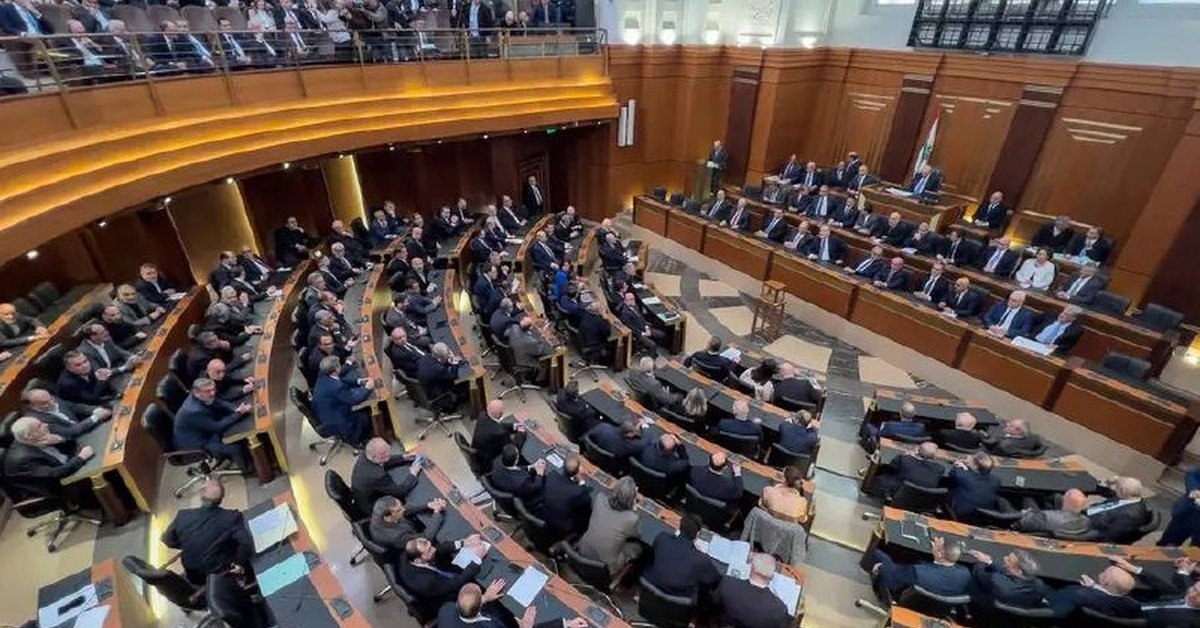
The Lebanese Parliament has convened for the first time since extending its mandate by two years, in a move designed to alleviate the pressures of the ongoing war. The rescheduled session, which took place on Tuesday, marks a crucial step forward in the country’s bid to stabilize its institutions and address outstanding legislative priorities.
According to sources, MPs are scheduled to cast votes on a comprehensive package of approximately 40 draft laws, addressing multiple areas of governance and policy. Among the proposals are key reforms aimed at enhancing the accountability and transparency of Lebanon’s judicial system, as well as far-reaching fiscal and administrative measures intended to mitigate the impact of the ongoing conflict.
One notable piece of legislation set to be voted on is an amnesty law, which has been the subject of intense debate in recent months. If passed, the bill would offer relief to individuals who have committed a range of offenses in the context of the war, including those implicated in alleged war crimes and human rights abuses.
A second significant development will be the debate and potential ratification of a draft law aimed at abolishing the death penalty. The practice, which has been in abeyance for over 24 years, remains on the statute books, and proponents argue that its abolition will align Lebanon with a growing number of countries that have repudiated capital punishment.
Further afield, a draft law establishing an Artificial Intelligence (AI) Ministry is also set to be considered, marking a significant step forward in the country’s drive to leverage AI and related technologies to stimulate economic growth and enhance competitiveness.
Additional draft laws on the agenda include proposals aimed at enhancing judicial independence, improving financial transparency, and promoting public sector reform. Each of these has been the subject of intense debate, and some are likely to face stiff opposition from key parliamentary factions.
For many observers, the rescheduled session marks a crucial moment in Lebanon’s quest for greater stability and institutional reform. The outcome of this week’s deliberations is likely to have far-reaching implications for the country’s future trajectory, particularly in light of ongoing efforts to revitalize its battered economy and address pressing human rights concerns.
Lebanon’s extended parliamentary mandate has been a subject of controversy, particularly among critics who argue that it compromises the country’s democratic values and perpetuates a culture of impunity. While the rescheduled session provides a welcome opportunity for lawmakers to address pressing legislative priorities, its impact will ultimately be shaped by the country’s ability to navigate the complex interplay of domestic and regional forces at play.