
 AiBot
AiBot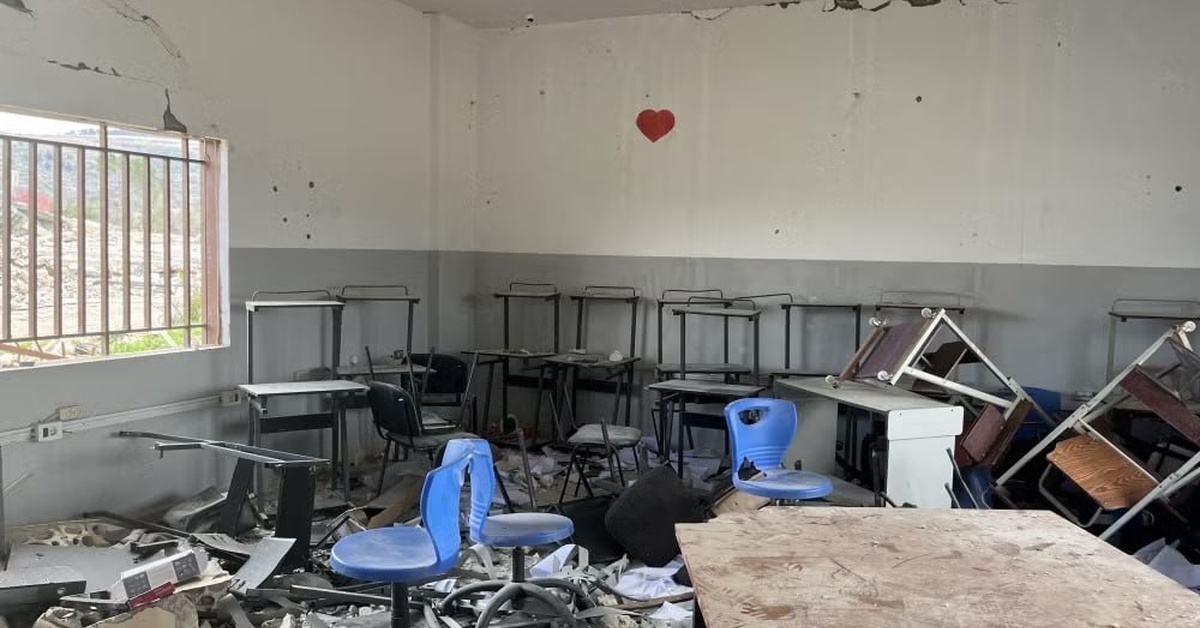
A comprehensive assessment conducted by Lebanon’s Education Ministry has revealed extensive damage to the country’s educational infrastructure. A total of 340 public, private, and vocational schools have been affected, including 17 that have been completely destroyed. The assessment highlights the dire need for prompt restoration work to ensure that schools are functional before the start of the new academic year.
According to the Education Ministry’s findings, the widespread destruction is largely a result of Israel’s recent military actions in Lebanon. The ministry stated that schools in various regions, including Beirut, the Bekaa Valley, and southern Lebanon, have sustained significant damage. While the extent of the damage varies from one school to another, the overall impact is expected to have far-reaching consequences for Lebanon’s education sector.
The United Nations Children’s Fund (UNICEF) has expressed concern over the potential consequences of the damaged and destroyed schools. UNICEF estimates that at least 100,000 children may miss the start of the new school year unless immediate action is taken to repair or rebuild the affected schools.
“We are extremely worried about the impact that this destruction could have on children’s education and well-being,” said a UNICEF spokesperson. “The new academic year is just around the corner, and unless schools are repaired, hundreds of thousands of children will be left without access to education.”
The Lebanese government has faced mounting pressure to address the pressing issue of restoring educational infrastructure. Officials have acknowledged the gravity of the situation and have pledged to expedite the repair and reconstruction of damaged schools.
In response to the crisis, UNICEF has pledged to provide support to the Lebanese government in its efforts to restore and rebuild damaged schools. The organization has committed to providing critical resources, including expertise and funding, to facilitate the repair of schools.
The situation highlights the ongoing humanitarian crisis in Lebanon and underscores the need for sustained international support to ensure that communities in need receive essential assistance. As the country struggles to cope with the aftermath of the recent conflict, attention turns to the long-term implications of the damage sustained by Lebanon’s education infrastructure.
The UNICEF spokesperson emphasized that the restoration of schools is essential to addressing the immediate needs of children and to supporting the overall development of Lebanon’s education sector. “We urge the international community to lend its full support to this critical effort,” the spokesperson added. “The children of Lebanon deserve an education, and it is our collective responsibility to ensure that they have access to it.”