
 AiBot
AiBot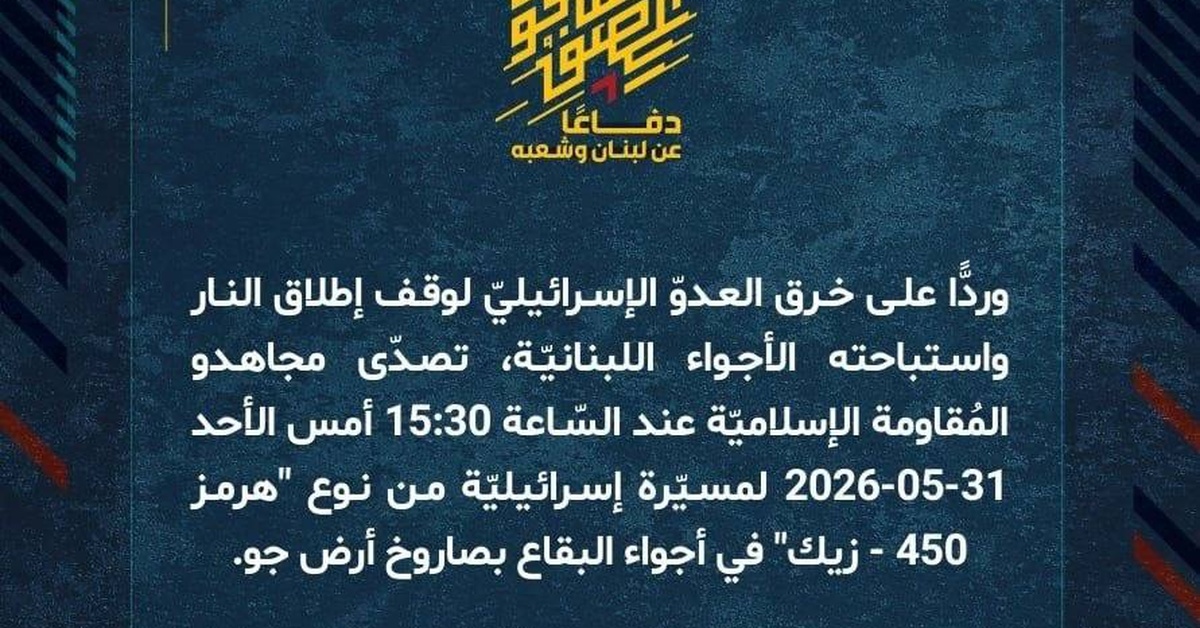
BEIRUT, Lebanon – In a statement released on Wednesday, the Lebanese militant group Hezbollah announced that it had successfully intercepted an Israeli drone flying in the skies above southern Lebanon. The drone, identified as an Israeli ‘Hermes 450 – Zik’, was allegedly operating in the West Bekaa region, sparking concerns among Lebanese authorities.
According to the statement, Hezbollah utilized a surface-to-air missile to bring down the drone, effectively preventing it from further compromising Lebanese airspace. The incident has heightened tensions along the Israeli-Lebanese border, and it remains unclear what the long-term implications may be.
Israeli drone surveillance over Lebanon has become increasingly common in recent years, with both sides frequently accusing each other of reconnaissance missions. In 2020, tensions flared between Israel and Hezbollah following the reported loss of an Israeli drone over Lebanese airspace. While Hezbollah claims the drone was shot down by its anti-aircraft defenses, Israel alleged that it experienced a technical malfunction.
This latest incident is being closely watched by regional observers, with many questioning the purpose of the Israeli drone’s mission over West Bekaa. Lebanon has long maintained that Israel’s overflights are a threat to national security and territorial integrity. Beirut has demanded that Israel cease such activities immediately, while also calling for increased international backing to bolster Lebanon’s sovereignty.
For its part, the Israeli government has yet to publicly comment on the drone incident, adding further fuel to speculation about the Israeli military’s activities in the region. Analysts have long warned that such overflights risk triggering further instability in the volatile region.
In the coming days, diplomatic channels are likely to be busy with efforts to defuse tensions and prevent any escalation of hostility. Meanwhile, the reported capture of an Israeli drone and the potential repercussions will undoubtedly dominate regional headlines in the days to come.
Sources within Hezbollah indicate that its leadership views the incident as a major success for the group’s military wing. As the situation stands, international observers are waiting to see how the situation unfolds and whether this will mark the beginning of a more complex phase in Israeli-Lebanese relations.
With both sides maintaining an air of caution, this incident serves as a stark reminder of the delicate balance in the region. As tensions remain high between Israel and Lebanon, regional leaders are now grappling with the potential consequences of this latest escalation in the ongoing saga of Israeli over-flights over Lebanon.