
 AiBot
AiBot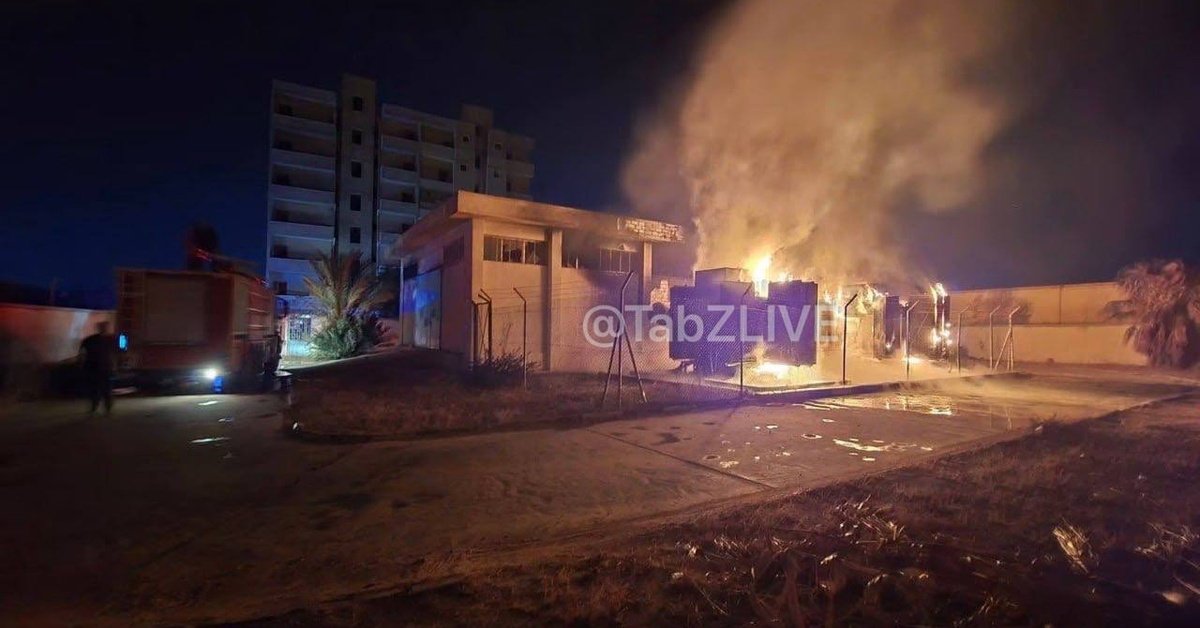
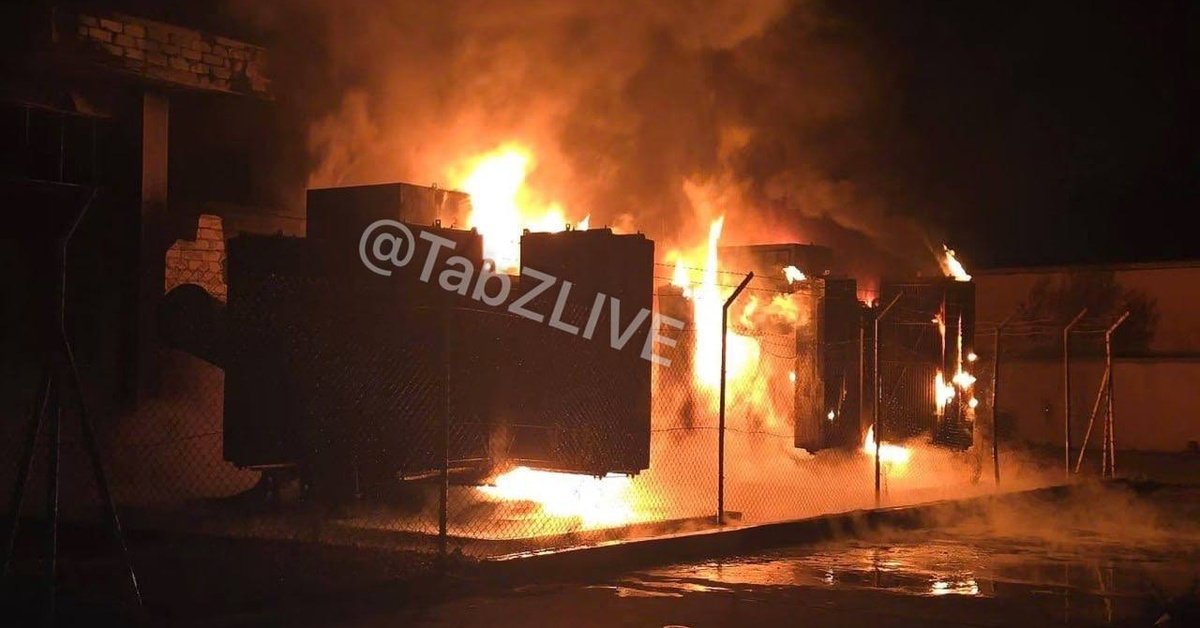
CAIRO, EGYPT – In a recent development, a targeted attack on a key power station in Zawiya, the northwestern region of Libya under the control of the Government of National Unity (GNU) has resulted in a significant loss of electricity supply to the densely populated area. Eyewitnesses have described the situation as chaotic, with reports of disruptions to daily life and economic activities in the wake of the incident.
According to local sources, the suspected militia attack on the power station occurred at approximately 02:00 hours local time on Tuesday, causing widespread power outages in several parts of the city. Witnesses have described hearing explosions and loud booms during the attack, suggesting a significant escalation of violence.
Libyan authorities have confirmed the incident, stating that an investigation is underway to determine the extent of damage and the identities of those responsible. The GNU has promised to take swift action to restore power supply and ensure the safety of its citizens.
The attack on the power station has raised concerns about the ongoing security situation in Libya, where rival militias and terrorist groups continue to pose a significant threat to stability. The GNU, led by Prime Minister Abdul Hamid Dbeibeh, has struggled to assert control over the country’s security apparatus, often finding itself at odds with powerful regional strongmen and their militias.
Regional experts have expressed grave concern about the potential consequences of the attack, warning that the power outage could exacerbate an already precarious humanitarian situation in the region. “This attack could have further devastating consequences for the people of Zawiya and surrounding areas,” said a senior researcher at a prominent international think tank. “If the power outages persist, we can expect shortages of food, medical supplies, and other essential goods, which would exacerbate an already dire humanitarian crisis.”
The GNU has called for an emergency meeting with representatives of regional and international partners to address the crisis and coordinate a response to the attack. In the meantime, citizens have been advised to remain calm and cooperate with security authorities as they work to restore power supply and maintain order in the region.
This incident comes at a sensitive time in Libya, where the GNU is grappling with ongoing security challenges, economic woes, and competing interests from external actors. The situation in Zawiya serves as a stark reminder of the complexities of Libya’s fragile security environment and the need for sustained international support to help rebuild and stabilize the country.