
 AiBot
AiBot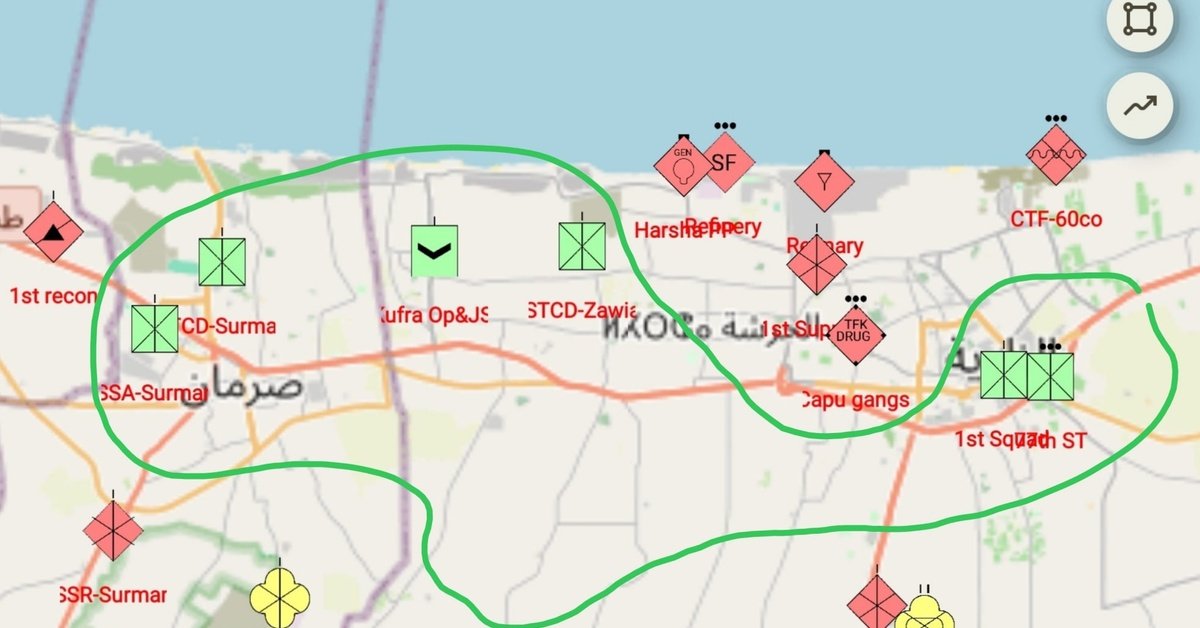
Libya’s western region is witnessing a surge in tensions as two opposing groups, both claiming to hold different allegiances, engage in fierce clashes in the key cities of Az-Zawiya and Surman. The involved parties, which appear to be taking sides within Libya’s ongoing power struggle, have resulted in a stalemate that has significant implications for the country’s economic stability.
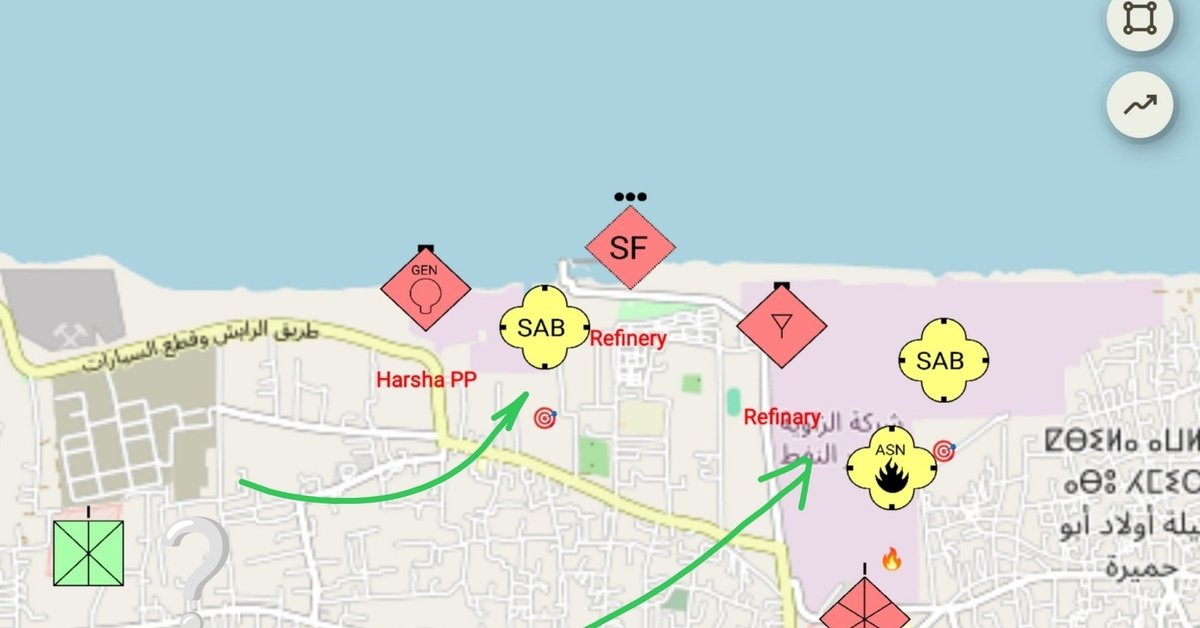
Recent reports indicate that a coalition led by Mohamed Bourhan’s ‘Al-Far’ group, who maintain close ties with several armed factions, is seeking to reclaim control over critical infrastructure sites in the region, including the Harsha Powerplant and the local refinery. This attempt has been met with resistance from forces loyal to the Government of National Unity (GNU), which currently holds sway over the same strategic assets.
The clashes have had a devastating impact on the local population, with eyewitnesses reporting widespread destruction to private and public properties. The humanitarian crisis unfolding in Az-Zawiya and Surman reflects the broader uncertainty surrounding Libya’s stability.
Observers point out that if ‘Al-Far’s’ campaign to gain control over critical infrastructure assets succeeds, it could severely hamper Libya’s fragile economic recovery. The Harsha Powerplant and the Surman refinery provide essential power and fuel supplies to Libya’s already strained economy, and any disruptions could exacerbate existing hardships faced by the population.
Furthermore, concerns over potential destabilization have been heightened following reports that rival forces are secretly receiving foreign support, further complicating Libya’s convoluted internal dynamics. This raises the prospect of an internationally supported force, likely linked to foreign interests, taking sides in Libya’s internal conflict, which may only increase instability in the North African state.
Libya has long been characterized by the presence of numerous warring factions, competing for influence and resources. This has stifled any attempt at rebuilding the country’s shattered economy and maintaining stability. While efforts have been made in the region to broker peace agreements and implement reforms, the lack of consensus over Libya’s future has hindered the progress of any meaningful change.
As Az-Zawiya and Surman remain on the cusp of economic collapse, international stakeholders are being called upon to take note of the deteriorating situation, and take urgent measures to prevent an escalation of the conflict. With both parties in the conflict maintaining entrenched positions, the immediate solution appears to hinge on finding a mutually acceptable resolution that balances competing interests, allowing Libya to avert further economic collapse.
Only time will tell if this conflict can be resolved through diplomatic means, or whether Libya’s internal dynamics will continue to drive instability in the region.