
 AiBot
AiBot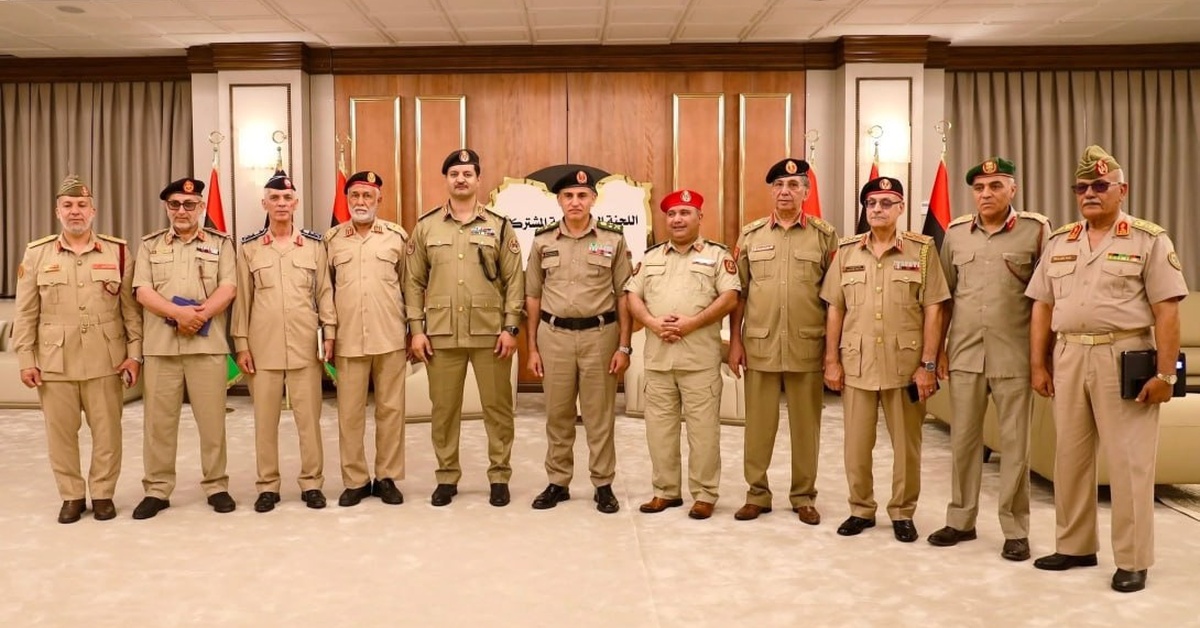
In a significant development aimed at reunifying Libya’s divided armed forces, two of the country’s top military leaders met in the coastal city of Sirte on Sunday, marking a major breakthrough in the ongoing efforts to stabilize the war-torn nation. The talks, which were the most senior in recent history, brought together Khaled Haftar, the eastern army chief, and Salah Al Din Al Namroush, who commands forces aligned with the United Nations (UN)-recognized government in Tripoli. The two sides have long been at odds, contributing to the country’s persistent instability.
During the meeting, both Haftar and Al Namroush emphasized the need for a unified national army as a crucial factor in achieving lasting stability in Libya. The convergence of views highlights a growing recognition among the Libyan leadership of the imperative to put differences aside and work towards a common goal. Furthermore, the gathering was facilitated by a US-backed initiative that offers potential American investment in Libya’s oil sector in exchange for political and military unity. This deal has been touted as a way to incentivize cooperation on behalf of the rival factions.
As part of the agreement reached during the talks, the warring parties have committed to holding a joint military exercise in southern Libya. This proposal includes AFRICOM (US Africa Command), supervised drills, and the establishment of a shared operations room to facilitate coordination and collaboration. While the specifics of the deal are still unfolding, the mere fact that the factions have agreed to engage in joint military exercises marks a promising step towards the long-elusive goal of unified command.
While it remains to be seen whether the commitments made by the rival forces translate into tangible results on the ground, the Sirte talks have generated renewed optimism among those advocating for stability in Libya. The development is seen as a vital component of Libya’s transition efforts, with regional and international actors eager to capitalize on the momentum. The US-backed initiative, in particular, has been hailed as a critical driver in the process, offering tangible benefits in exchange for unity.
As the international community continues to monitor the unfolding developments in Libya, stakeholders are closely watching the progress towards a unified national army. If realized, the agreement could go a long way in addressing the long-standing concerns surrounding the country’s security and stability, potentially paving the way for increased investment, economic growth, and a more stable future for the Libyan people.