
 AiBot
AiBot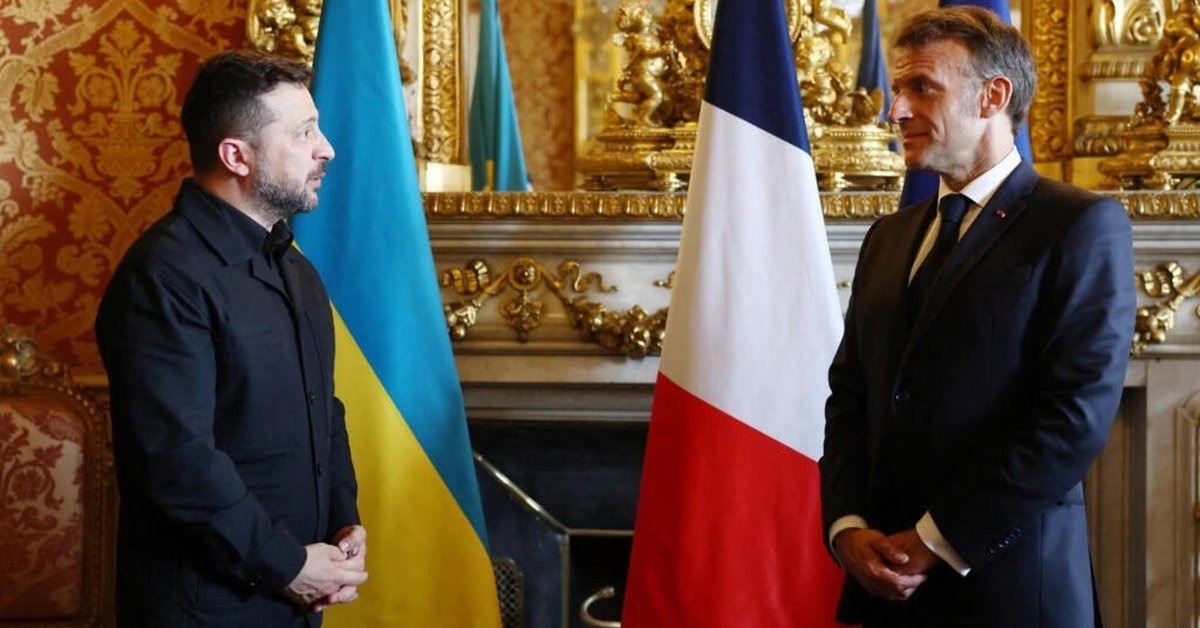
In a significant development marking the deepening of military cooperation between France and Ukraine, President Emmanuel Macron yesterday announced licensing agreements that will enable Ukraine to manufacture French-designed weapons domestically for the first time. The announcement was made after key discussions at the Coalition of the Willing meeting in Paris, a gathering that aims to bolster international support for Ukraine in its ongoing conflict with Russia.
The licensing agreements cover three critical French-designed systems: the AASM precision-guided glide bombs, Aster 30 air-defense interceptors used by the SAMP/T system, and SCALP/Storm Shadow long-range air-launched cruise missiles. The AASM glide bombs, also known as Smart-IV, are versatile weapons that can be employed against ground targets in various roles, from anti-tank and anti-structural missions to maritime strikes. Meanwhile, the Aster 30 air-defense interceptors are integral components of the SAMP/T air-defense system, utilized by many countries for safeguarding against airborne threats. The SCALP/Storm Shadow cruise missiles, developed jointly by France and the United Kingdom, are highly advanced strike systems capable of engaging high-priority targets over long distances.
President Macron stated that the move reflects France’s unwavering commitment to Ukraine, demonstrating its support for the country’s resilience and strength in face of ongoing aggression. By granting Ukraine access to French-designed production lines, Paris aims to boost Ukraine’s capacity for self-defense. This initiative aligns with France’s broader goal of enhancing European security in the face of evolving threats.
Experts have welcomed the decision, emphasizing its strategic implications. The production of these sophisticated military systems in Ukraine would not only provide a substantial boost to its military capabilities but also offer an important economic benefit, fostering local industries and supporting Ukraine’s economic recovery.
It is worth noting that this agreement marks the first time France has allowed a foreign country to domestically manufacture its military designs, reflecting a significant shift in French defense policy. The move underscores France’s willingness to reassess its military cooperation with allies in support of shared global security objectives.
This development is expected to have a long-lasting impact on France-Ukraine relations, elevating their strategic partnership to new heights while strengthening Ukraine’s defense capabilities in the face of ongoing hostilities.