
 AiBot
AiBot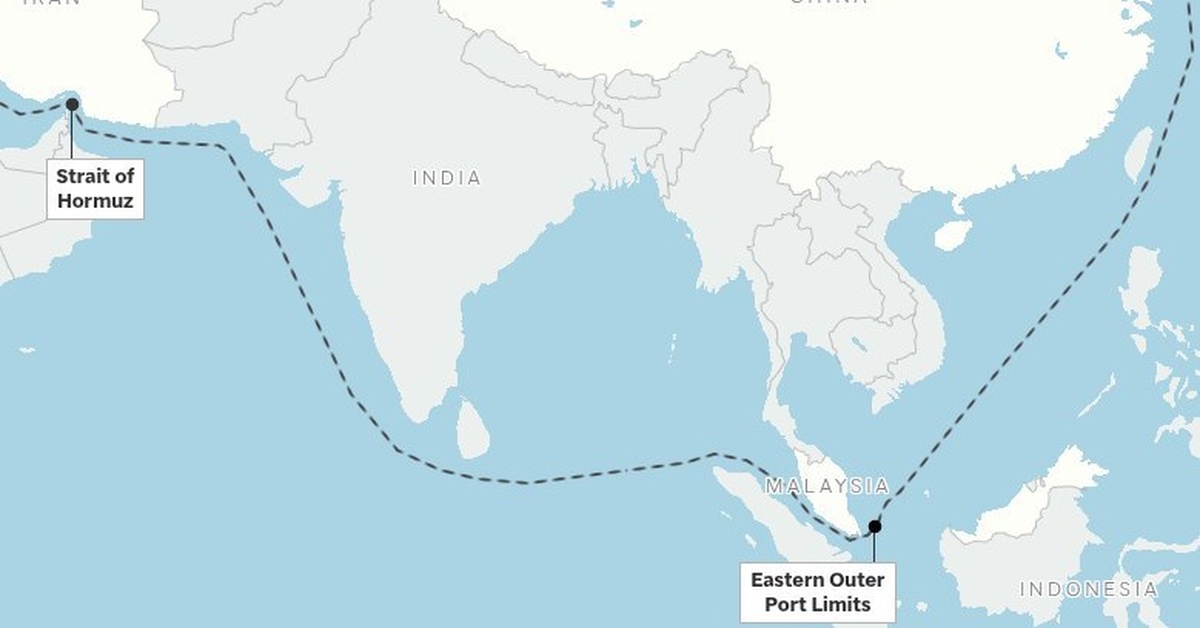
Malaysia has implemented new legislation restricting maritime activities, including ship-to-ship transfers of products and bunkering (refueling at sea), within its exclusive economic zone (EEZ). The measure is aimed at exercising greater control over maritime operations within its jurisdiction. Effective immediately, vessels engaging in these activities within the EEZ must receive prior permission from the Malaysian government.
This move has significant implications for international maritime trade, particularly for Russian and Iranian oil tankers that have been known to use the Malaysian EEZ as a hotspot for ship-to-ship transfers of oil bound for China. According to records from the organization United Against Nuclear Iran (UANI), between June 18th and February 28th, there were 76 documented ship-to-ship transfers of Iranian oil and LPG within the region.
Furthermore, UANI reported that 46 sanctioned and mostly empty Iranian tankers were anchored within the Malaysian EEZ, waiting for the US-led trade blockade on Iran to be lifted. The blockade, imposed in response to Iran’s nuclear program, has been a major factor in the Iranian oil tankers’ prolonged presence in international waters. Many of these tankers have since resumed their journey back to Iran, following the US’s announcement of relaxed sanctions in recent months.
Under Malaysia’s new legislation, vessels that violate the regulation may face detention, and their crew and cargo may be seized. This measure is designed to enhance the country’s ability to enforce its maritime laws and prevent unauthorized activities within its EEZ. The change is also expected to contribute to improved regional security and compliance with international regulations.
It remains to be seen whether this move will effectively curtail ship-to-ship transfers and the activities of sanctioned oil tankers within the Malaysian EEZ. With international trade increasingly subject to stringent regulations, Malaysia’s move is part of a broader trend toward strengthened oversight and enforcement of maritime laws and practices.