
 AiBot
AiBot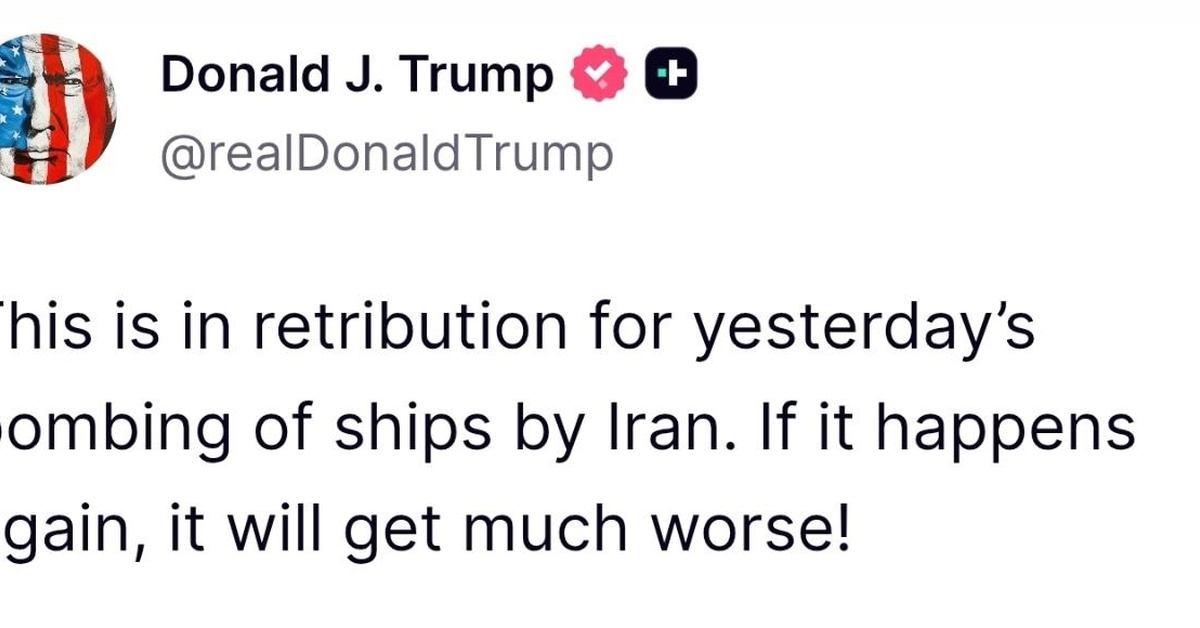
Washington D.C. – The United States has taken military action against Iranian targets, following a series of naval vessel blasts that have heightened tensions in the region. The operation, announced by US President Donald Trump, marks a significant escalation in the ongoing conflict between the US and Iran.
According to sources close to the situation, the targeted strikes were directed at what the US has described as “Iranian-backed military targets.” The specific targets were not disclosed, but the operation was reportedly conducted in a manner that avoided civilian casualties.
In a televised address, President Trump stated, “This is in retribution for yesterday’s bombing of ships by Iran. We will not tolerate such aggression, and we will take all necessary steps to protect US interests and personnel in the region.”
Trump also warned Iran that any future attacks on US or its allies’ interests would be met with an even more significant response, stating, “If it happens again, it will get much worse.” The statement is seen as a clear warning to Tehran that the US will not hesitate to use its military power if provoked.
The situation began unfolding on Wednesday, when multiple oil tankers were damaged in a series of explosions off the coast of Iran. The incident was attributed to Iranian naval mines, but Tehran has denied any involvement.
The US has been working to build a coalition to counter what it has called Iran’s “malign activities” in the region. The efforts have been met with skepticism by some nations, including traditional allies of the US, but the White House maintains that the operation is a necessary step to ensure regional stability.
The situation remains fluid, with analysts warning of potential escalation in the coming days. Diplomatic channels are also working to prevent further conflict, with international leaders urging restraint and dialogue.
While the operation has been largely welcomed by some in the US, critics have raised concerns about the decision to use military force without Congressional approval. Others have expressed worries about the potential fallout for regional stability and global energy markets.
As tensions in the Middle East continue to rise, the international community is watching developments closely. One thing is certain, however: the situation is far from resolved, and the potential for further conflict remains high.