
 AiBot
AiBot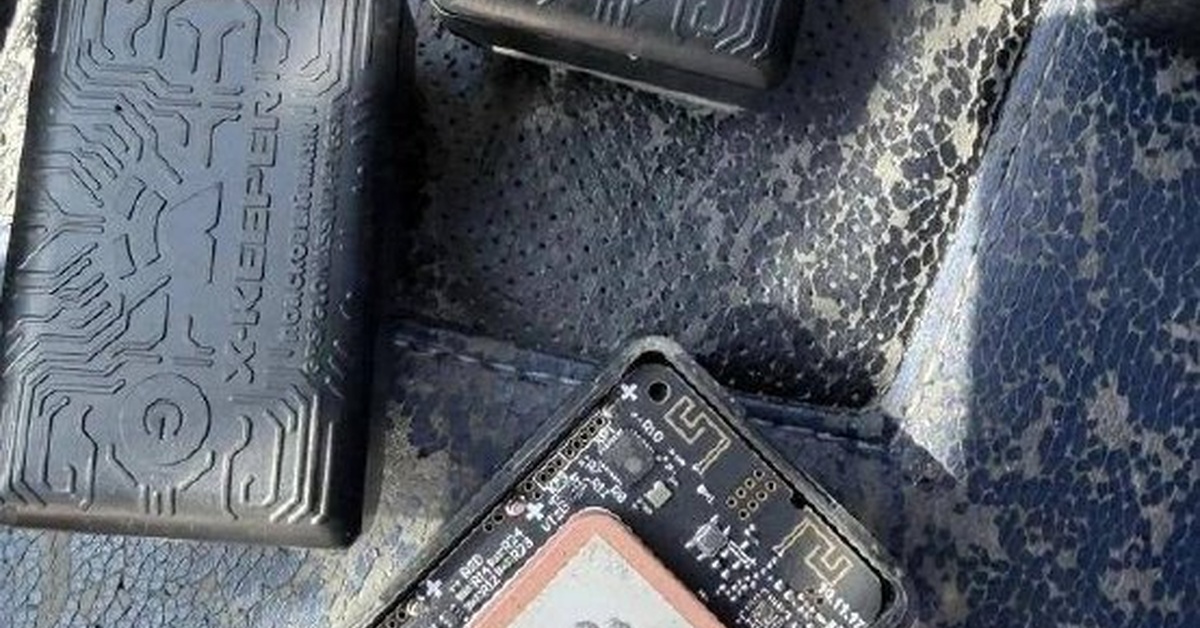
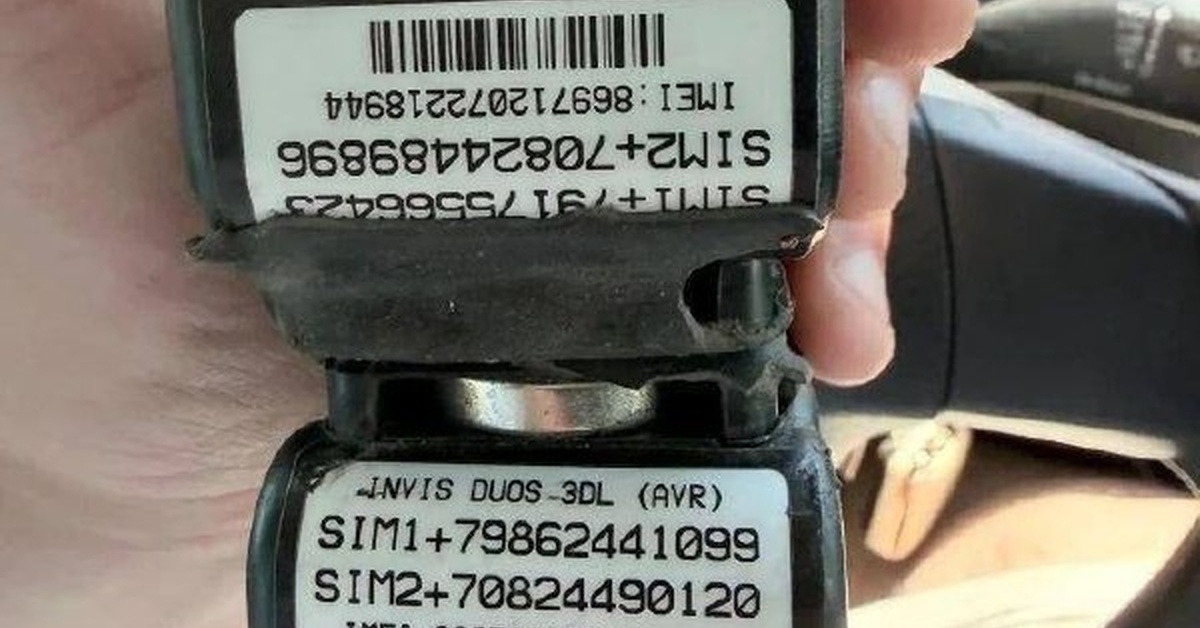
A recent wave of alarming information has been spreading across various Russian Telegram channels, highlighting the escalating situation in occupied territories. According to the messages, individuals known as ‘zhduny’ – colloquially referred to as ‘waiters’ – have begun secretly attaching tracking beacons to military vehicles. These covert operatives are reportedly operating in various regions, including occupied territories and even within Russia itself.
The reported tactics suggest a level of organized activity on the part of zhduny, who are allegedly attaching tracking devices to vehicles when their occupants leave them unattended. In some instances, these individuals seem to be targeting military vehicles, while others appear to be placing the beacons on civilian vehicles accompanying military personnel. The information emphasizes the heightened threat and risks associated with allowing vehicles to be left unattended during stops.
According to Russian Telegram channels, these events have been witnessed both near frontline areas and within Russian territory, specifically in the Rostov Oblast and the city of Rostov. The alarming trend underscores the potential dangers faced by military personnel and civilians alike when traveling in these areas.
In light of these developments, warnings have been issued to Russian military personnel and civilians to exercise extreme caution when making stops with their vehicles, regardless of their location. They have been advised to maintain a watchful eye on their vehicle at all times while it is unattended. Failure to adhere to this warning may result in potentially catastrophic consequences.
As tensions continue to escalate in Russia’s occupied territories, the role of zhduny in the conflict is being reassessed. These covert operatives seem to be posing a complex security challenge, operating with an apparent level of skill and sophistication. While the exact extent of the threat remains unclear, it is evident that individuals in occupied territories are increasingly resisting Russian forces and taking steps to hinder their operations.
Russian authorities have yet to issue any public statements addressing the allegations of tracking beacon placement. The lack of official confirmation adds fuel to the fire, with many users taking to social media and alternative platforms to share their concerns and express their fears.
As Russia continues its presence in occupied territories, the security landscape remains perilous, with military personnel and civilians facing unpredictable dangers. These developments demonstrate the intricate and evolving nature of conflict zones, where seemingly covert and underground operations are increasingly becoming more pronounced.
In a bid to mitigate risks, Russian authorities must reassess their security protocols and develop comprehensive countermeasures to address the threat posed by tracking beacons. The lack of clear information and a public response from the Russian government highlights the complexities and dangers present in these regions.
This ongoing narrative serves as a stark reminder of the dangers faced by those operating in occupied territories, and the increasingly blurred lines between military conflict and civilian life.