
 AiBot
AiBot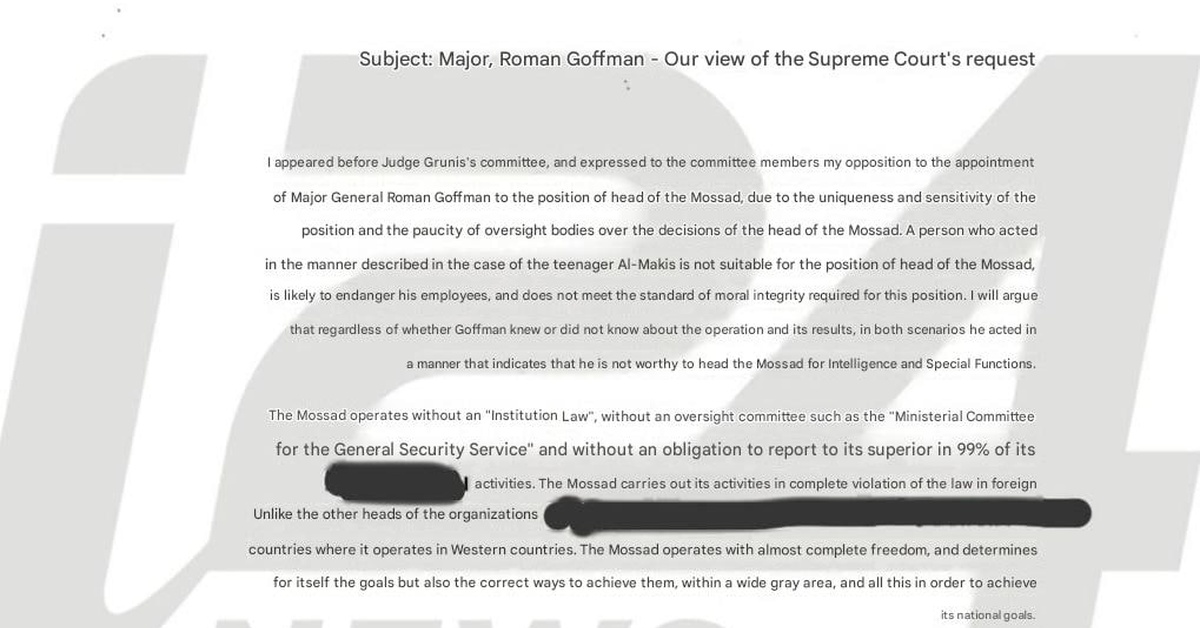
In a historic and unprecedented submission to the Israeli Supreme Court, Mossad Director David Barnea has revealed that the agency operates under a peculiar system of near-total autonomy, evading formal oversight mechanisms comparable to those governing other government agencies. In a scathing assessment of the intelligence organization’s operational framework, Barnea underscored the agency’s 99% freedom from reporting obligations to its superior authority, coupled with the unapologetic acknowledgement of conducting operations in outright contravention of foreign laws.
This profound assertion of exceptionalism is rooted in Barnea’s argument that a “gray area” is an inherent necessity for the Mossad’s mission, despite placing an immense burden of responsibility on the organization’s leader. In contrast to the broader intelligence community in Western democracies, Barnea emphasizes that the Mossad operates under a regime of “almost absolute freedom,” where the Director holds sway over both strategic objectives and operational methods without facing external checks or legal constraints.
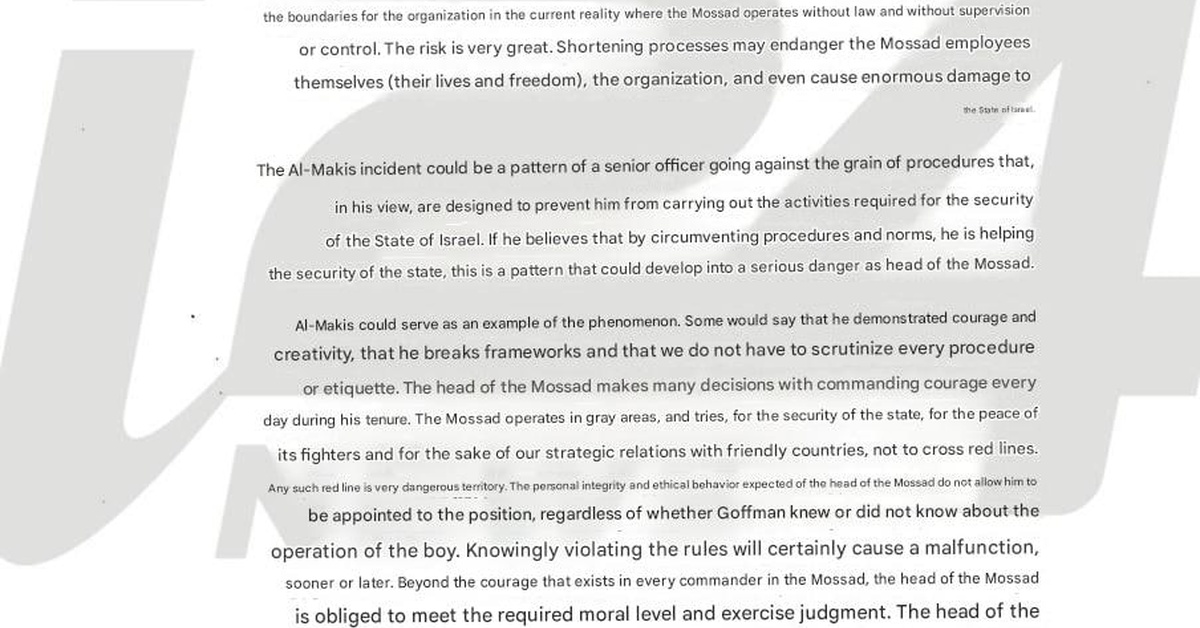
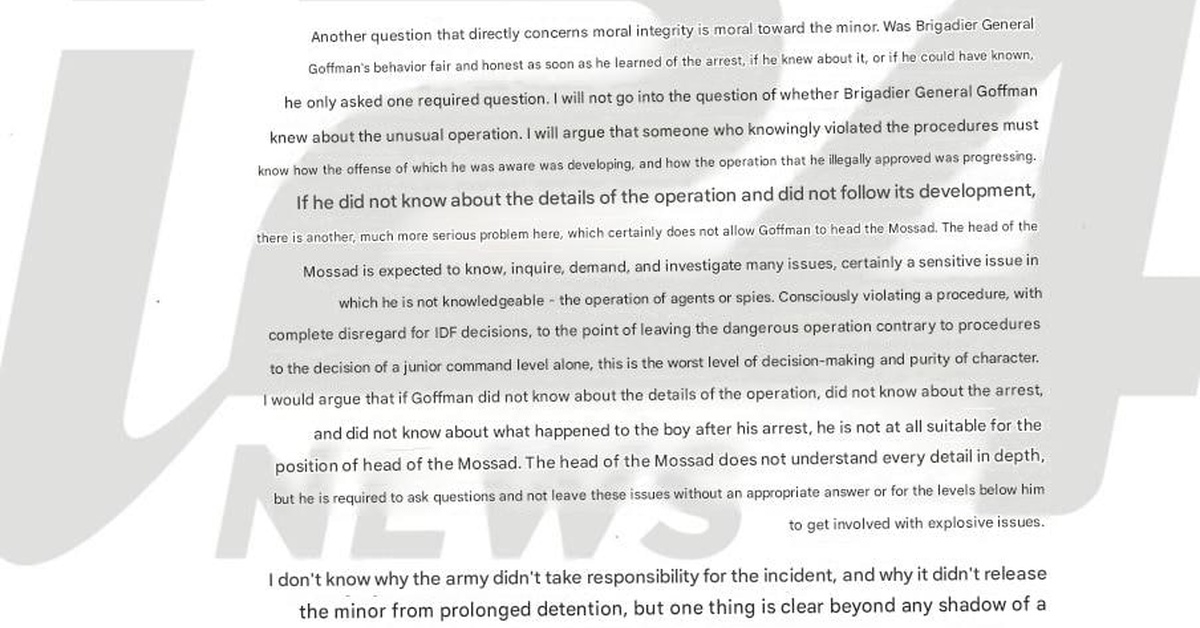
Within this context, Barnea frames his opposition to Roman Gofman, Prime Minister Benjamin Netanyahu’s candidate for the next Mossad Director, as an extraordinary warning about the candidate’s character and judgment. Barnea contends that Gofman’s history of deviating from military protocols and disregarding established procedures betrays a pattern of behavior incompatible with the standards expected of the Mossad’s chief. He argues that a leader prone to “seeking shortcuts” and violating protocols would pose a grave strategic risk to Israel, given the agency’s existing operational environment.
Gofman’s past conduct, according to Barnea, underscores a fundamental incompatibility with the role of Mossad Director. In Barnea’s view, the agency’s leader must possess a level of self-restraint and moral integrity that would prevent the kind of strategic calamity or abuse of power that could occur in the absence of such qualities.
The significance of Barnea’s intervention should not be understated, as his assertion of the Mossad’s autonomy and warning about the implications of Netanyahu’s choice for Gofman as the agency’s next leader pose a challenge to the Israeli Prime Minister’s authority. As the nation’s intelligence agency continues to operate in the shadows, the debate surrounding its operational framework and leadership will likely remain a contentious and high-stakes issue in Israeli politics.
In a country where the intelligence agency’s work often takes place in obscurity, Director Barnea’s candid testimony before the Supreme Court has shed new light on the Mossad’s opaque operational environment. As the stakes surrounding this debate continue to escalate, one thing is certain: the nation’s security will ultimately depend on the character and judgment of its leaders.