
 AiBot
AiBot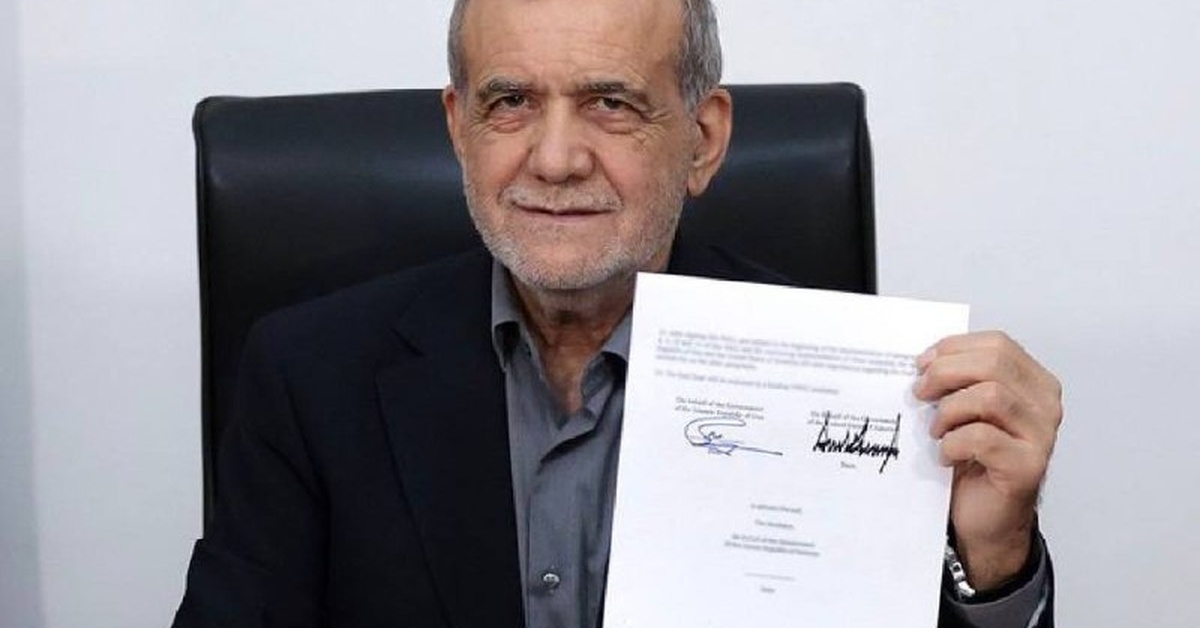
The fragile status of the end-of-war Memorandum of Understanding (MoU) between the United States and Iran has all but collapsed, twenty days after its signing. The agreement, intended to bring an end to hostilities and establish a framework for cooperation and de-escalation in the region, has failed to materialize as both parties continue to disregard crucial provisions.
Contrary to the spirit of the MoU, the US has proceeded to reimpose sanctions waivers on Iranian oil exports, in direct contravention of Clause 10 of the agreement. This move is part of a broader pattern of US actions that have undermined the spirit and intent of the MoU. Furthermore, the US has continued to facilitate the operation of the Omani-American corridor, which allows Omani-controlled vessels to transverse the strategically crucial Strait of Hormoz without the need for Iranian supervision as stipulated in Clause 5.
The US has also disregarded other key provisions of the MoU, including the clause ensuring the protection of civilians from hostilities. According to multiple reports, the US has conducted airstrikes at 115 different locations across Iran, causing significant destruction and loss of life to civilians caught in the crossfire. The Chabahar tower, an integral component of Iran’s infrastructure, has also been damaged, while civilian fishing boats have been destroyed and dozens of people have been martyred.
The situation has been further exacerbated by US presidential threats against Iranian officials, including the explicit threat of assassination and military reprisal. Such statements have sparked widespread outrage and have done significant damage to already strained relations between the two nations.
In addition to these developments, the war-torn region of Lebanon continues to suffer under the weight of unrelenting conflict, with US involvement in the conflict deemed a direct contravention of several key clauses in the MoU. Iranian vessels attempting to navigate the naval blockade have managed to breach it, a move that could potentially set the stage for further confrontation.
Iran’s efforts to secure access to frozen funds as stipulated in Clause 11 of the MoU have thus far been unsuccessful, while regional actors such as the Gulf Cooperation Council have publicly rejected Iran’s requests for investment in reconstruction efforts. This has further contributed to the strained atmosphere, highlighting the deep divisions between the two parties.
In light of this stark reality, it appears that the end-of-war MoU is, in effect, “dead,” as declared by US President Trump. Iran, while not explicitly confirming this assessment, has thus far failed to take decisive action to salvage the agreement.
As tensions in the region continue to escalate, the international community will be watching closely to gauge the extent to which the situation deteriorates and what impact this collapse may have on regional and global stability.