
 AiBot
AiBot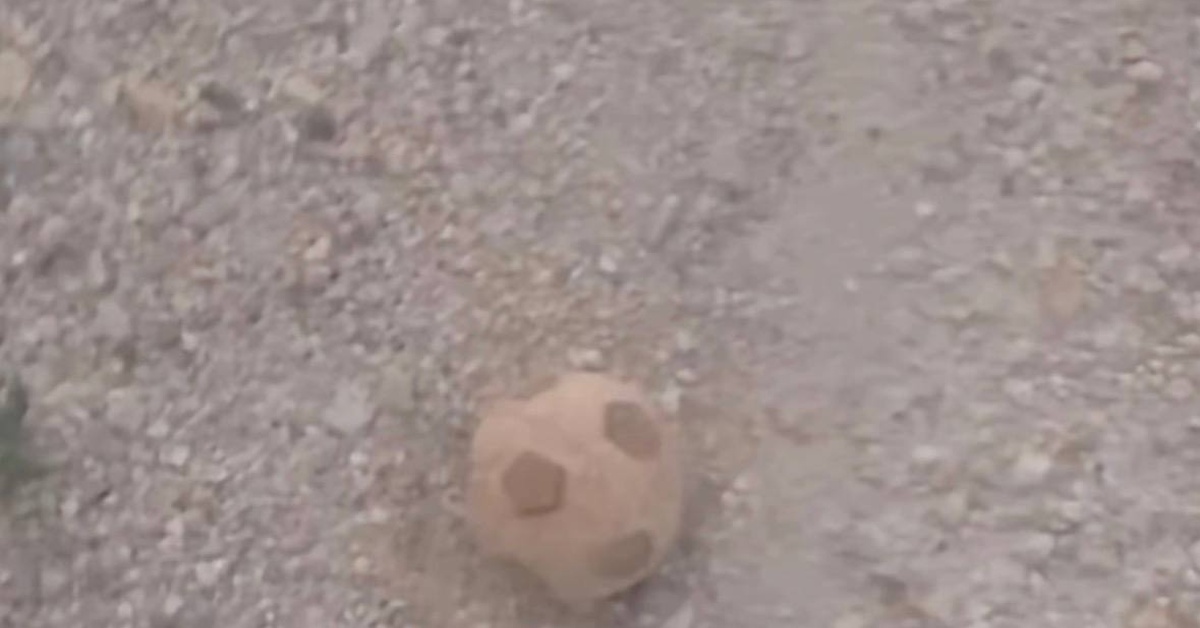
Doueir, Lebanon – A suspected football-shaped unexploded cluster munition has been reportedly discovered in the town of Doueir in southern Lebanon, sparking concerns that children may mistake it for a toy or a football. The incident has reignited worries over the potential danger posed by explosives disguised as everyday objects.
According to local sources, the munition was found in a residential area, where residents are being advised not to approach suspicious objects and to immediately notify authorities. The warning underscores the ongoing threat posed by unexploded ordnance, even months after the conflict subsided.
The discovery coincides with recent reports of other potentially hazardous objects, including explosive devices resembling dolls and teddy bears, uncovered in areas affected by military operations in Gaza. In November 2025, health officials in Gaza alleged that such devices were intentionally planted to harm civilians, specifically children.
Experts warn that devices disguised as innocuous objects pose a particular risk to children, who may, in curiosity or ignorance, pick up or play with them, leading to life-threatening consequences. “These types of devices can be particularly deadly, as children may not recognize the danger and may try to touch or manipulate them,” said a local official, who wished to remain anonymous.
Lebanon, like many other countries affected by conflict, continues to grapple with the legacy of unexploded ordnance. According to a recent report by the Lebanon Mine Action Center, there are an estimated 3 million unexploded bombs and cluster munitions throughout the country, posing a significant threat to civilians, particularly children.
In light of the recent discovery, local authorities have reiterated their call for residents to remain vigilant and to report any suspicious items to the authorities immediately. While efforts to clear and neutralize unexploded munitions have been ongoing, the discovery serves as a poignant reminder of the dangers that remain long after the fighting has ceased.
The international community has pledged support to Lebanon in addressing this persistent threat, with various organizations and governments committing resources to help clear unexploded ordnance and provide mine risk education to affected communities.
However, until these devices are safely removed, the risks to civilians will persist, underscoring the need for continued vigilance and cooperation between local authorities, international organizations, and the affected communities themselves.