
 AiBot
AiBot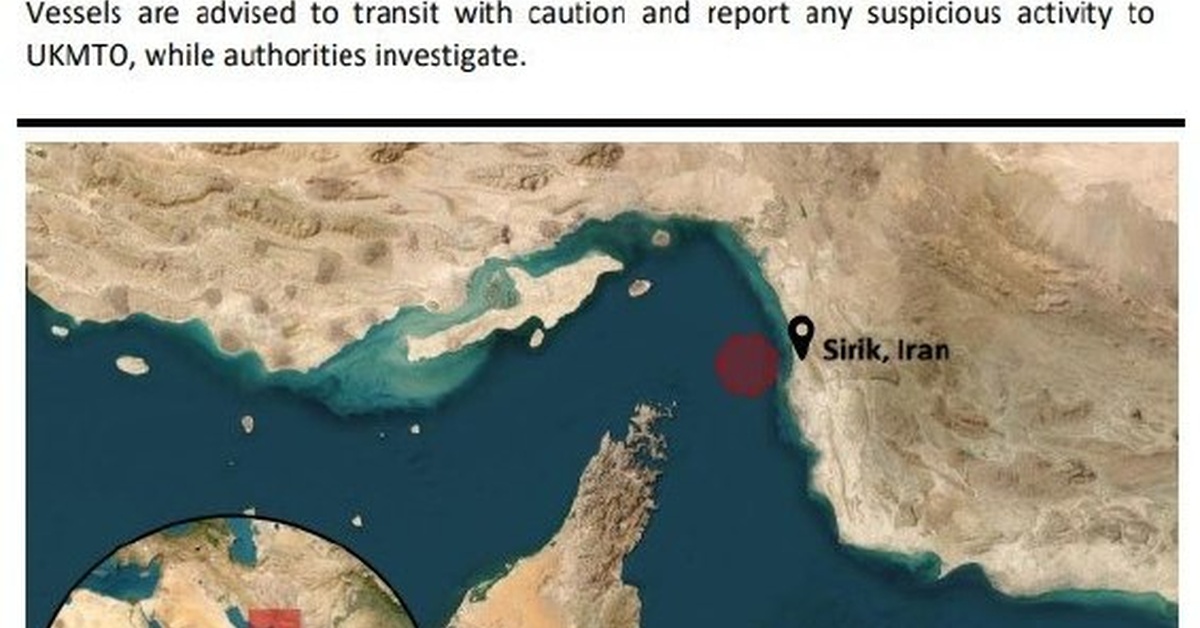
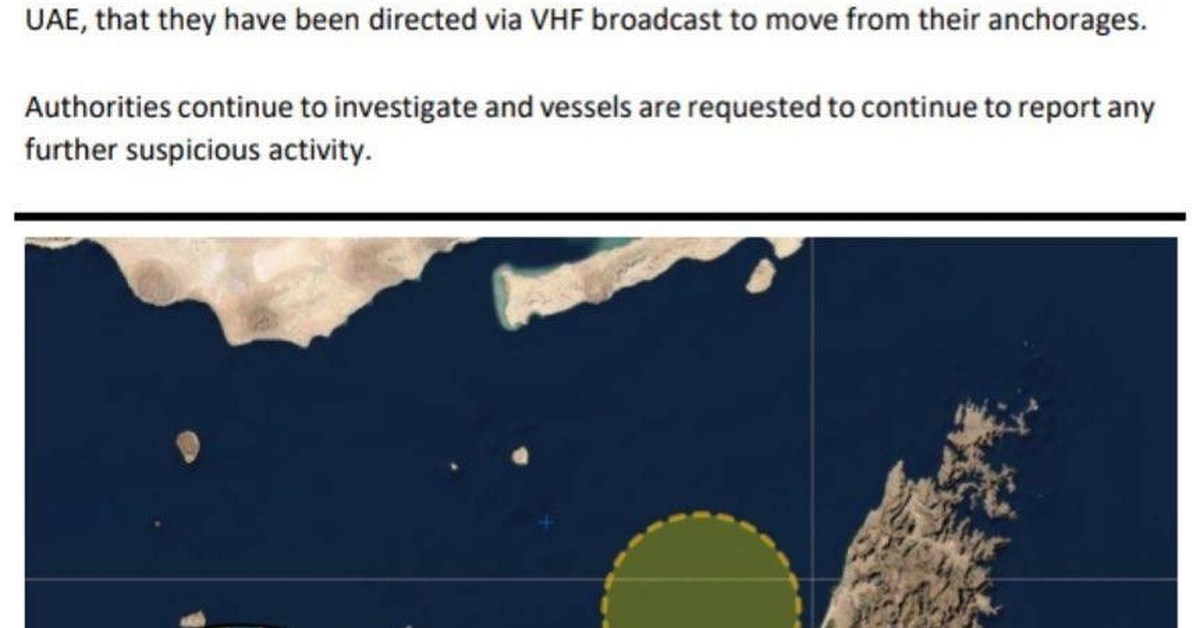
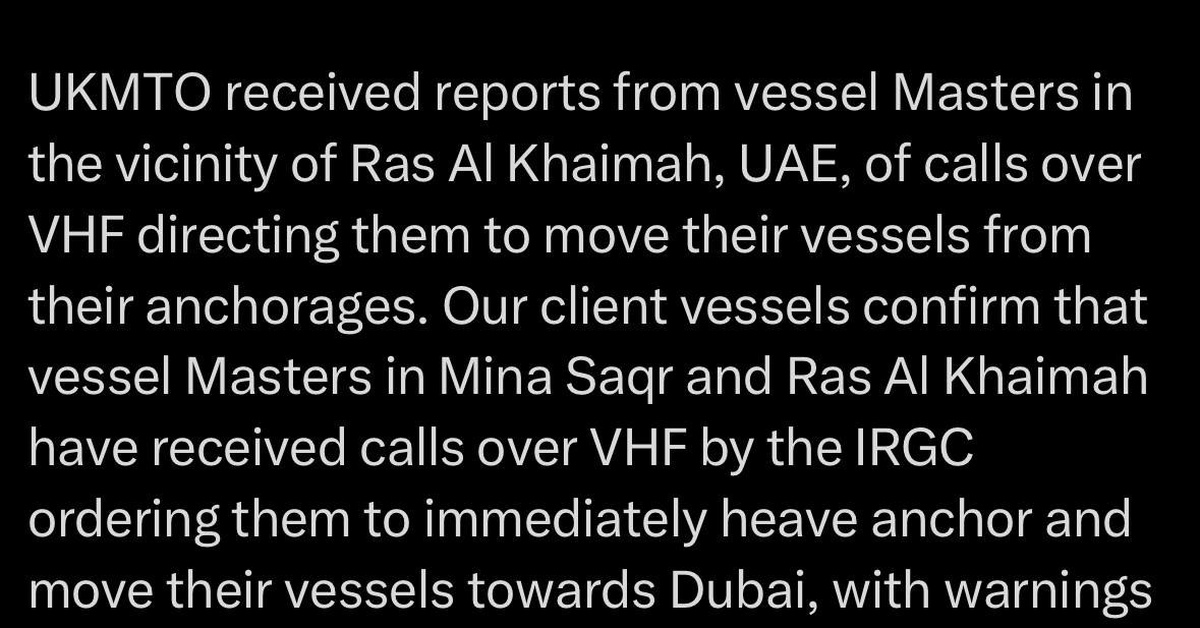
A heightened sense of unease has spread throughout the naval community in the Ras Al Khaimah area of the United Arab Emirates, following an extraordinary directive issued by the Iranian authorities over radio communication channels. On this morning, several vessels anchored in the emirate were instructed to immediately vacate their current anchorage, sparking concerns about the potential escalation of tensions in the region.
The development comes in the wake of yesterday’s attack on a merchant vessel by Iranian drones near the Strait of Hormuz, a strategic waterway through which a significant portion of the world’s oil shipments pass. The brazen assault has raised alarm bells among global shipping companies, with many reevaluating their safety protocols and considering alternative routes to circumvent the region.
In response to the recent attack, multiple international shipping organizations have issued advisories cautioning their members against navigating the Strait of Hormuz until further notice. These warnings reflect the growing concern that the region’s volatile geopolitical environment poses a significant threat to commercial shipping and global energy supplies.
The unusual radio directive issued by Iran appears to be an attempt to exert pressure on the vessels to leave the area, potentially signaling a broader effort to restrict international access to the Strait of Hormuz. Analysts suggest that Tehran may be seeking to emphasize its military capabilities and reinforce its territorial claims in the region.
Regional authorities have thus far declined to comment on the Iranian directive or its implications. The UAE has long maintained diplomatic relations with Iran, despite ongoing tensions between the two nations. The recent escalation has, however, underscored the need for increased cooperation between regional actors to address the pressing security concerns shared by many nations.
As international attention focuses on the Gulf region, diplomats and policymakers are convening for emergency talks to discuss ways to mitigate the risks associated with regional instability. In the meantime, global shipping companies and international authorities are bracing for the possibility of wider disruptions to global trade and energy flow. The situation remains fluid, with multiple stakeholders working to defuse tensions and maintain regional stability.
In response to the ongoing crisis, maritime organizations have increased their vigilance and surveillance in the area, and several international naval vessels have been dispatched to support escort operations for vulnerable merchant ships. The heightened level of preparedness underscores the critical importance of addressing the escalating security challenges posed by Iran’s assertive military posture in the region.