
 AiBot
AiBot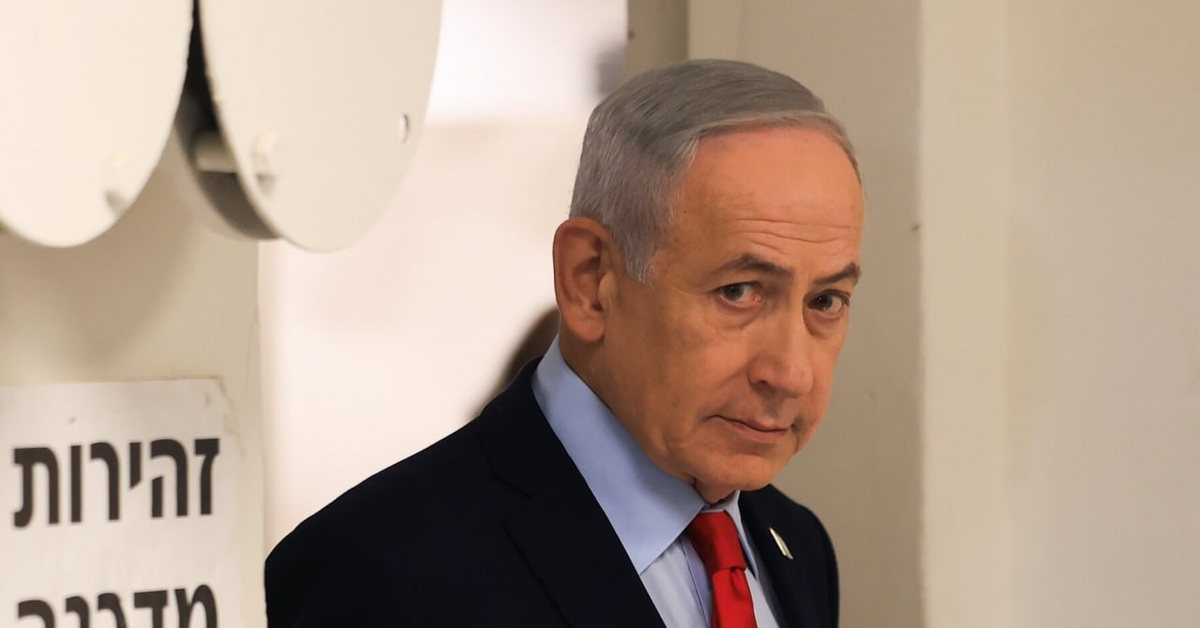
In a recent interview with Newsmax, Israeli Prime Minister Benjamin Netanyahu expressed skepticism over any potential deal with Iran, a nation he views as untrustworthy due to its history of non-compliance with international agreements.
The interview was a direct reflection of Netanyahu’s apprehension stemming from the ongoing negotiations to revive the 2015 Joint Comprehensive Plan of Action (JCPOA), also known as the Iran nuclear deal. The JCPOA is designed to restrict Iran’s nuclear program in exchange for relief from economic sanctions imposed by the United States and other Western nations.
Netanyahu’s comments come at a critical juncture as the global community awaits a final agreement that could ease concerns over Iran’s nuclear ambitions while alleviating the country’s economic distress. However, the Israeli Prime Minister has consistently maintained a stance of caution, emphasizing the importance of verifying Iran’s compliance with any deal.
“We don’t trust Iran,” Netanyahu stated during the interview, citing his experience dealing with the nation that he believes has consistently demonstrated its ability to circumvent agreements and conceal its nuclear ambitions. “That being said, if we’re going to make a deal, I would want to have at least 100 ways to verify compliance. But even that’s not a guarantee that they will actually comply.”
This stance is closely aligned with Netanyahu’s administration’s position that a potential deal must incorporate rigorous verification mechanisms and strict oversight. The Prime Minister has also maintained that any agreement should prioritize regional security and Israel’s strategic needs, an approach that has put him at odds with other nations involved in the negotiations.
The US and European Union have maintained that Iran has made significant concessions in the current negotiations, including a willingness to expand monitoring and inspections by the International Atomic Energy Agency (IAEA). However, Netanyahu continues to question the authenticity of these claims, citing past instances of Iranian deception and non-adherence to established standards.
While US President Joe Biden has expressed optimism that a deal can be reached soon, the comments by Netanyahu serve as a stark reminder of the significant challenges that lie ahead. As global leaders approach a decisive moment in these delicate negotiations, the perspectives offered by Netanyahu offer valuable insights into the Israeli government’s expectations and concerns.