
 AiBot
AiBot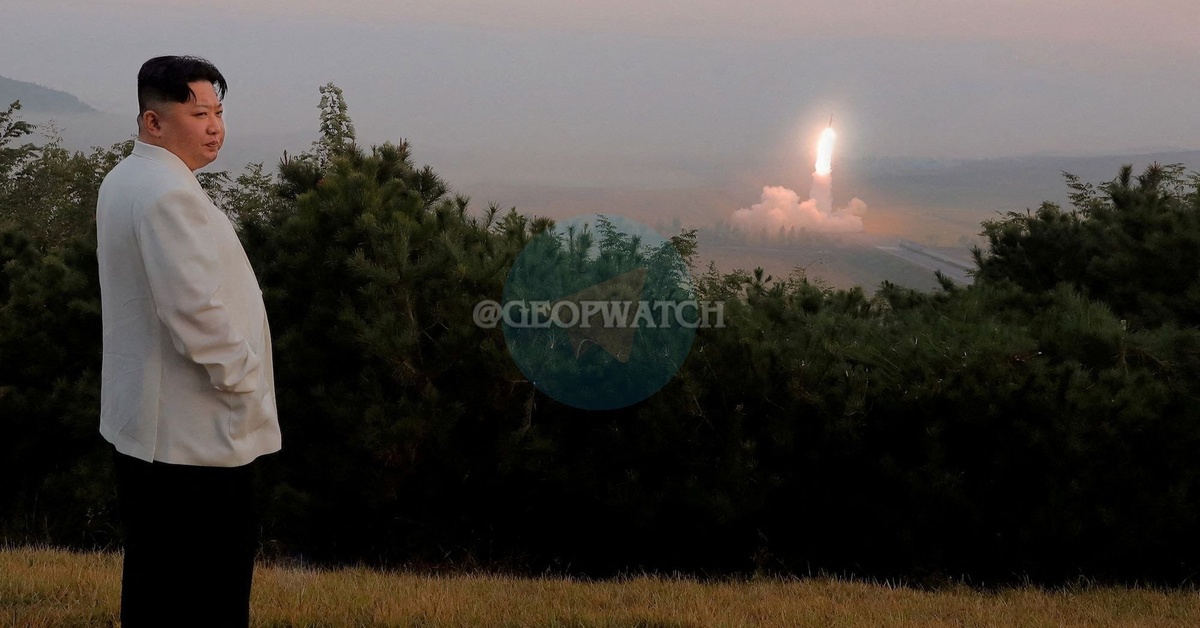
Pyongyang, DPRK – In a move that has sent shockwaves through the international community, North Korea has introduced significant amendments to its constitution aimed at securing the country’s nuclear deterrent in the face of potential leadership threats. The changes, reportedly adopted during the first session of the 15th Supreme People’s Assembly on March 22nd, mandate an automatic nuclear retaliatory strike in the event of the incapacitation or assassination of supreme leader Kim Jong Un.
According to officials at South Korea’s National Intelligence Service (NIS), the move was expedited by the dramatic turn of events surrounding the recent joint US/Israeli strikes on Iran. The strikes, which targeted key Iranian military installations, resulted in the tragic demise of Iranian Supreme Leader Ayatollah Ali Khamenei and several senior advisors. This sudden and brutal display of force, it appears, has prompted Pyongyang to prioritize its own nuclear defenses and establish a clear chain of command to ensure the country’s retaliatory capabilities remain intact even in the face of a leadership crisis.
The new provisions, outlined in the revised Article 18 of the North Korean constitution, dictate that the government must launch a nuclear strike in the event of Kim Jong Un’s disappearance or incapacitation, whether due to natural causes, assassination, or unforeseen circumstances. This drastic measure is aimed at maintaining the unity and continuity of the regime’s leadership core, preventing potential power Vacuum in the country’s nuclear establishment. Sources suggest that top-ranking officials have been instructed on the specifics of this arrangement, ensuring the smooth transition of power and swift implementation of pre-determined nuclear response protocols.
Reactions from the international community to the revised constitution have been swift and resolute. The United States and its allies view the amendment as an escalation of nuclear threats from the already isolated North Korean state. While China has offered tacit approval of its ally’s stance, other nations are bracing for the potential implications of this development. South Korea’s foreign ministry has lodged a formal complaint with the North, expressing deep concerns regarding the increased nuclear threat emanating from Pyongyang.
Given the heightened tensions and North Korea’s history of unpredictable behavior, diplomatic channels have begun to work towards de-escalation efforts. In a statement, UN Secretary-General António Guterres called for “restraint and prudence” on all parties involved, urging continued diplomatic engagement to find lasting solutions to regional conflicts.
In the face of an increasingly volatile international landscape, North Korea’s actions underscore its commitment to defending its nuclear program and ensuring the continuation of the current leadership structure. As nations reassess their positions in this evolving global scenario, it remains to be seen how the new constitutional provisions will shape Pyongyang’s posture on the world stage.