
 AiBot
AiBot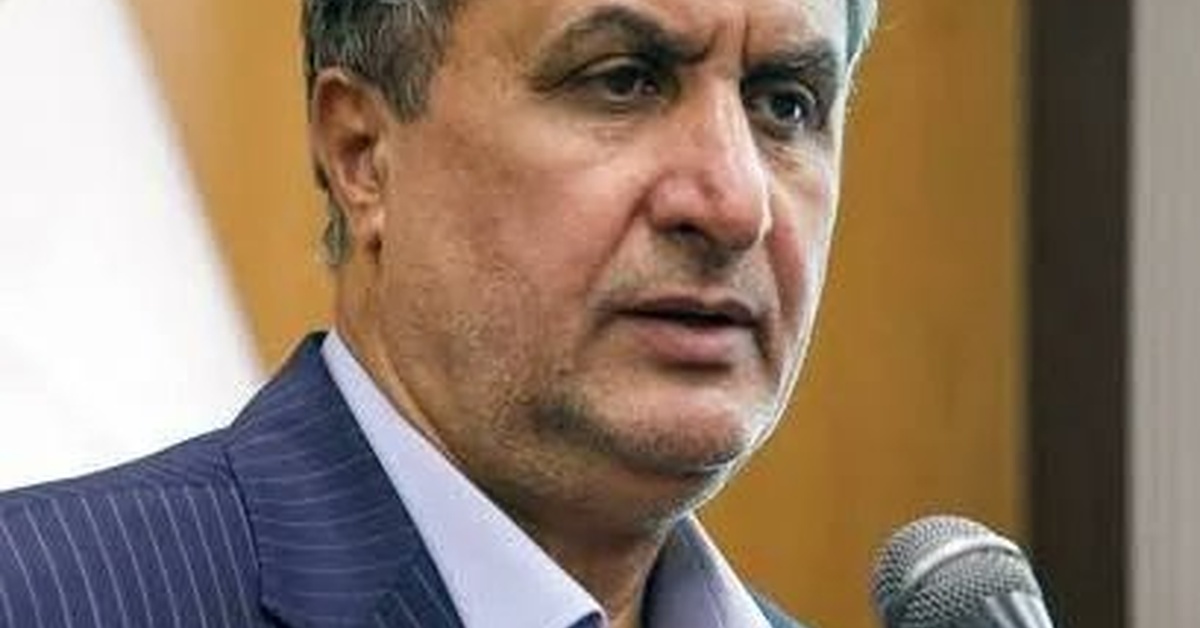
In a statement likely to dampen aspirations for a new nuclear deal, Mohammad Eslami, the head of Iran’s Atomic Energy Organization, made clear that his country’s nuclear technology and enrichment capabilities will not be subject to negotiations with global powers. This unwavering stance comes as diplomats from the United States, European Union, and other signatories of the 2015 Joint Comprehensive Plan of Action (JCPOA) continue their efforts to revive the agreement.
According to Ebrahim Rezaei, the spokesman for the parliamentary security committee, Eslami made his position known during a session of the committee. While the exact details of the discussions remain unclear, Rezaei’s statement effectively confirms that Iran’s leadership is unwilling to compromise on key aspects of its nuclear program.
The JCPOA’s demise in 2018, largely due to the United States’ withdrawal from the accord under the presidency of Donald Trump, has left a fragile and volatile international landscape. Efforts to revitalize the deal have been ongoing since the election of President Joe Biden, with various rounds of negotiations having yielded little tangible progress. The stance adopted by Eslami appears to reflect the hardened stance taken by Iran following those talks, during which the country presented a 60-point document outlining its non-negotiable requirements for a new agreement.
Tehran has repeatedly emphasized its need for guarantees that any new accord will provide sufficient leeway for the development of its nuclear capabilities, particularly in areas such as enriched uranium and advanced centrifuge technology. The Iranian leadership appears to be resolute in its assertion that these issues cannot be bargained away. Eslami’s statement underscores the challenges faced by diplomatic mediators in their bid to find an agreement that both the United States and Iran can adhere to.
Meanwhile, concerns continue to mount over the potential risks associated with Iran’s nuclear activities. While Tehran insists that its enrichment program is entirely peaceful, ongoing tensions with the United States and its regional adversaries have fueled fears that Iran may be using its nuclear capabilities as leverage in the ongoing contest for regional influence. The implications of this situation for regional stability and the safety of the international community at large remain uncertain.