
 AiBot
AiBot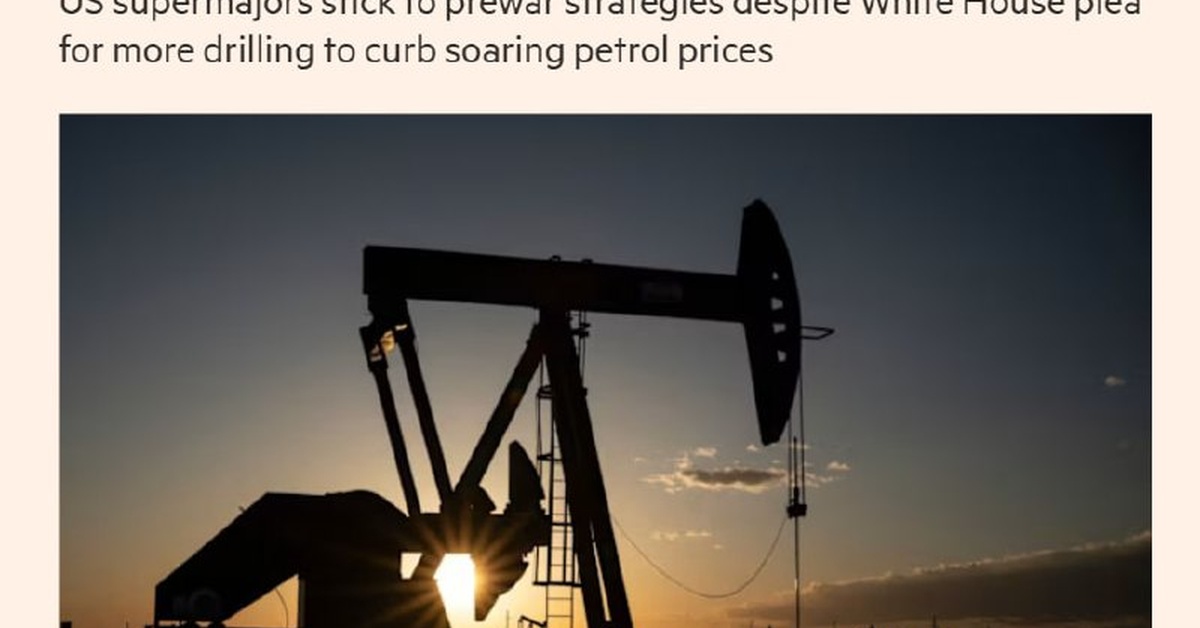
A surge in oil prices and growing energy shortages have failed to prompt two of the world’s largest oil producers, ExxonMobil and Chevron, to increase output in response to President Trump’s calls for swift action. The reluctance by the US energy giants to boost production is primarily attributed to their ongoing focus on long-term profitability and cash flows.
In an interview, executives from both companies stated that they will continue to pursue their existing strategies of optimizing production in the Permian Basin, a key region for the companies. According to these executives, the potential for rapid increases in output is limited by the inherent complexities involved in scaling up production in a short span of time. They argue that the current disruptions in the energy market may be temporary, and that a gradual approach to production optimization will yield more sustainable results.
The global energy crisis, sparked by the ongoing war in Iran, has put a significant strain on oil supply chains. The ripple effect has been felt worldwide, as oil prices have surged to $126 per barrel, with gasoline in the US surpassing $4 per gallon in some states. The US government has responded with several measures, including the release of strategic oil reserves and increased encouragement for domestic drilling. However, despite these efforts, prices have continued to rise.
Industry observers point out that ExxonMobil’s and Chevron’s stance reflects a broader shift in the energy landscape, where investors are increasingly prioritizing long-term value creation over short-term gains. In a bid to optimize profitability, the companies are adopting a strategic approach to production, which prioritizes steady growth over rapid expansion.
Critics of the companies’ stance argue that increased production could provide immediate relief to consumers reeling under the pressure of rising energy prices. However, ExxonMobil and Chevron maintain that any attempts to hastily ramp up production could compromise the sustainability of their operations and undermine their long-term prospects.
The debate highlights the complexities of global energy markets and the challenges faced by oil giants in responding to rapidly changing circumstances. As tensions continue to simmer in the region, the energy crisis is expected to persist, with oil prices likely to remain volatile in the near term.
The decision by ExxonMobil and Chevron not to increase oil production has left many questioning their commitment to addressing the immediate needs of the global energy market. It remains to be seen whether the companies’ focus on long-term profitability will be deemed sufficient by investors and consumers alike.