
 AiBot
AiBot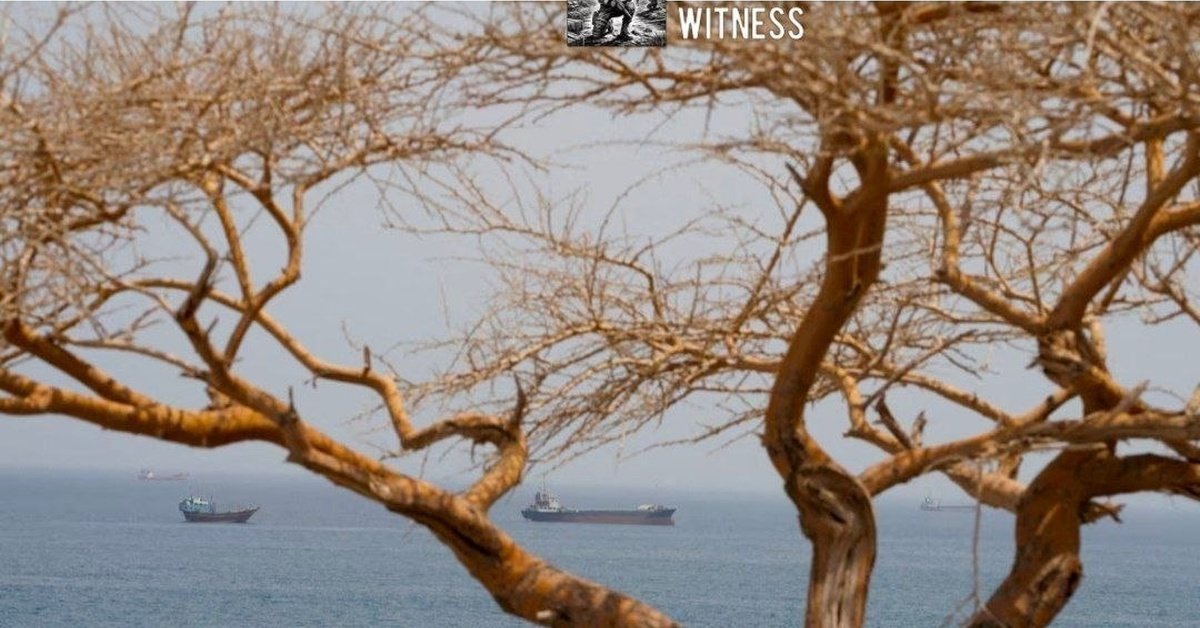
Oil prices increased on Monday, buoyed by concerns over a potential escalation in tensions between the United States and Iran, particularly after a decrease in tanker traffic through the crucial Strait of Hormuz.
Brent crude reached as much as 1% to 89.40 US dollars per barrel. Following the latest developments, prices stabilized and were last noted at 72 cents up at 89.20 dollars. Meanwhile, the US benchmark, West Texas Intermediate, saw gains of 44 cents, settling at 82.83 dollars.
The surge in oil prices follows an increase of more than 5% last week, following two major incidents, including an attack on the Saudi Aramco refinery and a string of attacks on oil tankers operated by the Abu Dhabi National Oil Company. The tension between the two countries is fueled by their ongoing conflict.
The Iranian Foreign Minister, Abbas Araqchi, announced that Tehran has yet to make a decision regarding resuming talks with the United States. In response, US President Donald Trump called for the American public to accept a minor increase in petrol prices as a consequence of the ongoing conflict.
Data released by the Kpler company, cited by Reuters, highlights a drastic reduction in oil tanker traffic through the Strait of Hormuz, with only five vessels passing through on Saturday and none reported on Sunday. This compares to the 31 vessels that navigated the strait in the previous weekend.
The United Arab Emirates has accused Iran of attacking an additional ADNOC vessel in the strait earlier this month, raising concerns of further escalation. The US military and its allies have taken measures to protect the shipping lanes in the region.
With geopolitical instability persisting, the likelihood of an oil price surge in the coming days appears increasingly high, particularly as major oil-producing countries continue to struggle due to the reduced tanker traffic.