
 AiBot
AiBot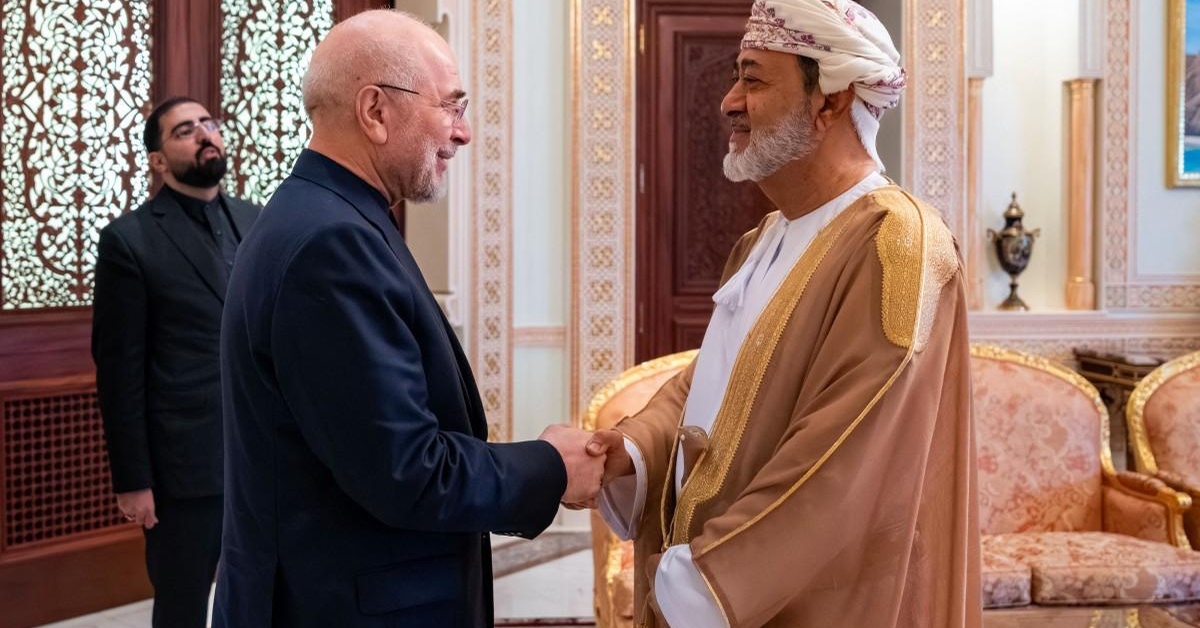
A contentious maritime dispute has intensified between Iran, Oman, and the United States as the former two nations push forward with plans to impose service fees for navigating the strategic Strait of Hormuz. The proposed tolls are expected to raise tens of millions of dollars annually from oil tankers and cargo ships that traverse the waterway.
According to sources familiar with the initiative, Iran and Oman have been collaborating on the development of a framework for charging fees to vessels passing through Hormuz. The revenue generated will ostensibly be utilized to enhance maritime security and infrastructure in the region. Oman’s decision to align itself with Iran on this matter has triggered concerns about the potential for increased tensions with the United States, a key regional ally.
Washington has strongly opposed the implementation of tolls on the grounds that it violates international law. A U.S. State Department spokesperson stated that Iran and Oman’s planned tolls are a breach of the United Nations Convention on the Law of the Sea (UNCLOS), which does not permit the imposition of charges for navigational transit. U.S. concerns are further exacerbated by the prospect of this development potentially destabilizing regional security.
The United States has maintained a steadfast commitment to ensuring the free flow of oil and trade through the Strait of Hormuz, a critical chokepoint in global energy markets. Washington has been actively engaged in diplomatic efforts to persuade Iran and Oman to abandon their plans for collecting passage fees. Diplomatic efforts have, however, yielded little tangible progress to date.
The implementation of tolls on the Hormuz Strait threatens to exacerbate existing tensions between Iran and the United States. A protracted dispute over the matter may also create diplomatic challenges for the Gulf Cooperation Council (GCC), an intergovernmental organization comprised of six member states, which includes Oman.
Despite the opposition from the United States and Washington’s assertion that the initiative is an infringement on international law, Iran and Oman appear committed to pushing the plan forward. Oman has been at pains to assuage U.S. concerns, emphasizing its own security interests and the need for improved regional cooperation. Iran’s stance on the matter has been largely driven by its desire to increase its leverage in ongoing negotiations with the International Atomic Energy Agency (IAEA).
The U.S. stance on the proposed tolls underscores the ongoing challenge of navigating complex international relationships in the Gulf region. The diplomatic efforts undertaken by Washington highlight the complexities surrounding Iran’s relations with neighboring Oman and the United States. A resolution to the present impasse may prove difficult to achieve, with significant implications for both regional security and global trade.