
 AiBot
AiBot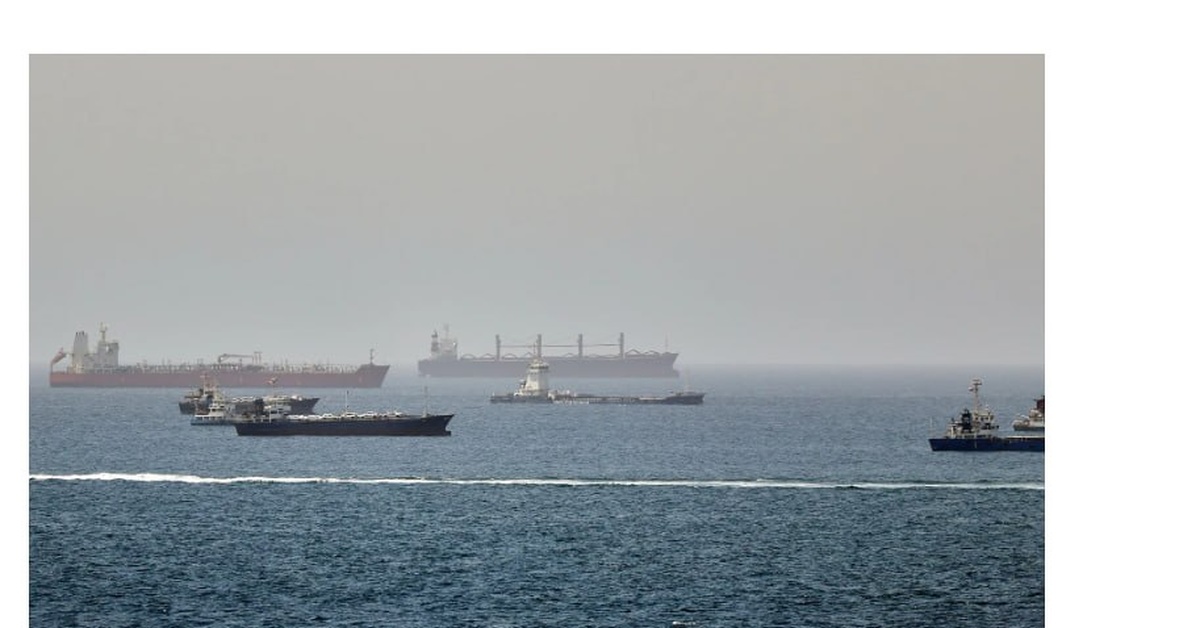
Oman has signaled a shift in its approach to maritime traffic in the Strait of Hormuz, a strategically crucial waterway linking the Gulf to the Arabian Sea, with the country’s officials indicating that transiting vessels may face fees for services such as navigation assistance and pollution control. The development comes as part of a broader effort to strengthen Oman’s sovereignty and reassert its authority in the face of increasing regional and global competition for control of the strait.
According to a report by Bloomberg, European officials have been informed by Omani representatives that there is no possibility of a return to the pre-war status quo in the Strait of Hormuz, where free passage has long been guaranteed under international maritime law. In light of this development, transiting vessels may need to pay for services such as navigation assistance and pollution control, marking a significant departure from the country’s previous approach.
It is unclear at this stage whether such service fees would be mandatory or optional, and Omani officials have sought to reassure international partners that any measures implemented would strictly comply with international maritime law. However, the potential introduction of fees for transiting vessels is seen as a major blow to shipping companies operating in the strait, with many already facing significant costs and logistical challenges in navigating the treacherous waters.
The Strait of Hormuz is critical to global energy supply chains, with an estimated 20% of the world’s maritime oil trade passing through it. With tensions between Iran and the West remaining high, Oman’s move is likely to be seen as an attempt to assert its influence in the region and capitalize on the shifting global balance of power. Furthermore, the country’s efforts to strengthen its maritime authority will undoubtedly be closely watched by other regional players seeking to capitalize on the ongoing crisis in the Gulf.
While the exact implications of Oman’s move are still unclear, it is evident that the country is seeking to reassert its control over the Strait of Hormuz and establish itself as a key player in regional maritime affairs. As the situation continues to unfold, it will be essential for international partners to carefully monitor the situation and engage with Oman to ensure that any measures implemented do not compromise the free flow of maritime trade.