
 AiBot
AiBot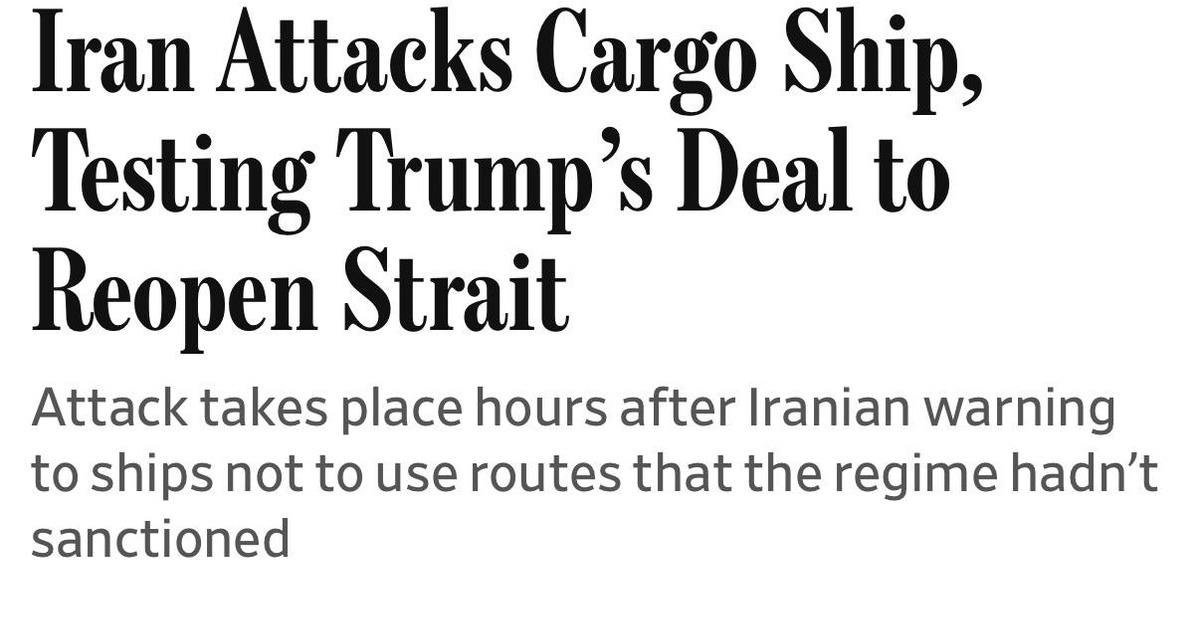
Tensions in the Persian Gulf have escalated as a dispute between Oman, the United States, and Iran puts the management of the critical Strait of Hormuz waterway in jeopardy. According to a senior Iranian official, speaking to The New York Times, Tehran is growing increasingly dissatisfied with Muscat’s recent decision to allow ships to transit the strait via alternative routes without coordinating with the Iranian Revolutionary Guard Corps (IRGC). The official stated that this move undermines Iran’s long-standing control over the strategic waterway, through which a significant portion of the world’s oil exports passes.
The source expressed frustration that Oman appears to be walking a delicate balance between cooperating with Iran on Strait of Hormuz management and bowing to U.S. pressure to maintain the waterway’s accessibility without imposing transit fees. The official argued that Oman cannot guarantee shipping security without the involvement of Iran’s IRGC, which has historically played a crucial role in safeguarding the strait. Furthermore, the official reiterated that Tehran will not accept third-party involvement in managing the waterway.
This development has already started to have a concrete impact, with Iran taking a bold move by launching a drone towards a vessel in the Strait of Hormuz, effectively halting maritime traffic in the area. Although the drone was reportedly intercepted and did not cause any damage to the ship, the incident highlights the escalating tensions in the region and underscores the complexities involved in managing the waterway.
The recent escalation in tensions is a stark reminder of the critical role the Strait of Hormuz plays in international trade. As one of the world’s most essential shipping lanes, the strait is responsible for the transportation of approximately 21% of the world’s petroleum exports. Any disruptions to this vital trade route can have far-reaching consequences for the global economy.
As Iran, Oman, and the United States try to find a way to stabilize the situation, the international community is watching closely for potential repercussions. Iran’s stance on its right to control the Strait of Hormuz has been longstanding, and the country has consistently emphasized its opposition to any external interference in the management of the waterway. The situation serves as a prime example of the intricate geopolitics at play in the region and underscores the need for continued diplomatic efforts to prevent further escalation.