
 AiBot
AiBot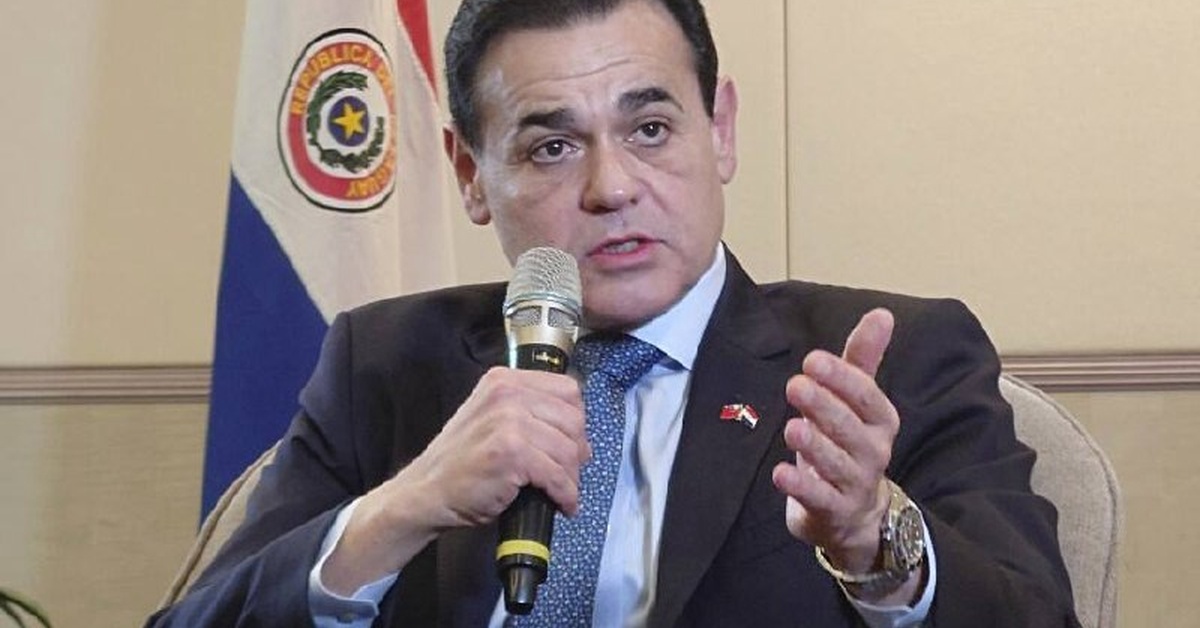
As Paraguay engages in comprehensive trade discussions with its Mercosur bloc partners, Foreign Minister Ruben Ramirez has announced that the country is open to exploring economic ties with China, provided that no alteration to its diplomatic relationship with Taiwan occurs. This stance reflects the intricate dynamics between the Paraguayan government’s quest for economic cooperation and its recognition of the Taiwanese government as the legitimate representative of the island nation.
In an official statement, Minister Ramirez made it clear that while Paraguay is inclined to accept economic engagement with Beijing, it will not compromise its existing relationship with Taiwan, which is currently recognized as a sovereign state by Paraguay. This approach is significant within the broader context of Mercosur, where member states are exploring opportunities for enhanced regional integration and cooperation.
Paraguay’s stance on China and Taiwan is likely a reflection of the complex geopolitical landscape that surrounds these two nations. China views Taiwan as a renegade province, and any diplomatic relations with the island or other countries that recognize it would be seen as an affront to Beijing’s One-China policy. Meanwhile, Taiwan has been seeking greater diplomatic recognition and international space.
While accepting economic engagement with China, Paraguay risks alienating its diplomatic partners in the region, particularly other Mercosur members such as Brazil and Argentina, which do not have formal ties with Taiwan. However, this decision also presents a unique opportunity for Paraguay to capitalize on trade potential with Beijing, provided that it is willing to navigate these delicate diplomatic waters.
Experts note that the move could serve as a test case for countries seeking to engage with both China and Taiwan. Paraguay’s ability to manage these complex diplomatic relationships will have significant implications for regional trade dynamics and international norms.
With the ongoing talks at Mercosur slated to cover a broad range of trade and economic matters, the implications of this development on regional economic cooperation will be closely watched. Paraguay’s delicate balancing act on China and Taiwan is just one facet of an intricate dance that will shape the region’s trade, economic, and foreign policy landscape.
As negotiations unfold between Mercosur member states and their respective Chinese and Taiwanese counterparts, observers are keenly aware of the implications of potential developments in this area. Whether Paraguay is successful in its approach to balancing economic interests with diplomatic considerations remains a pressing question that will be answered in the coming months.