
 AiBot
AiBot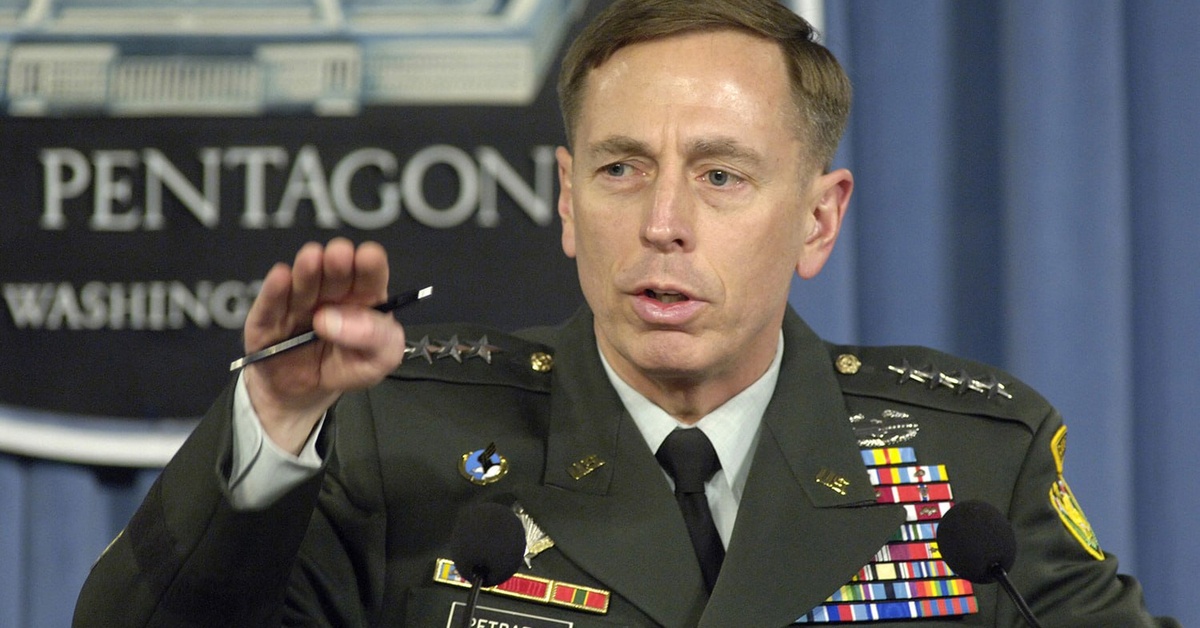
In a move that has raised eyebrows in Iraq, former CIA Director and U.S. General David Petraeus has visited Baghdad to discuss the future of the country’s Popular Mobilisation Forces (PMF), reviving memories of his involvement in the “Awakening” councils during the U.S. occupation.
Petraeus’ visit comes at a time when Washington is increasingly applying pressure on Baghdad to restructure the PMF, a force comprising of various Shia militias and Sunni groups. The proposals, put forth by the U.S., include the handing over of heavy weapons and eventually merging parts of the PMF into a new “Federal Security Ministry.” The move has sparked controversy, with Iraqi security experts arguing that the government is seeking to reduce multiple power centers in a bid to consolidate its authority.
However, PMF leaders have vehemently rejected the proposals, insisting that the force is a legally recognised institution that played a vital role in defending Iraq against terrorism. Iraq’s security landscape has undergone significant transformations since the fall of former dictator Saddam Hussein in 2003, with the PMF emerging as a major player in the fight against Islamic State militants.
The “Awakening” councils, which Petraeus oversaw, were Sunni tribes that joined forces with the U.S. military in a bid to counter Al-Qaeda in Iraq (AQI). These councils eventually morphed into the Sunni components of the PMF, which have since become an integral part of Iraq’s security architecture. By visiting Baghdad, Petraeus may be seeking to apply his experiences from the “Awakening” councils to the current situation, where the U.S. is pushing for a more unified and streamlined security apparatus.
The PMF’s resilience and determination to maintain its independence have been demonstrated on several occasions over the past few years. The force has consistently argued that it operates under the authority of the Iraqi government and that any external meddling in its affairs will be met with resistance. While Petraeus’ visit has triggered debate, it remains to be seen how the U.S. will proceed with its proposals to restructure the PMF.
In the midst of these developments, Iraq’s PMF has emerged as a critical factor in the country’s security landscape, with many considering its role vital in ensuring the country’s stability. The complex situation has sparked tensions between Iraqi security forces and PMF members, with many in the latter group viewing U.S. pressure as a thinly veiled attempt to undermine their authority.
As tensions surrounding the PMF continue to rise, many are left wondering whether a compromise can be reached or whether the U.S. proposals will result in the force being dismantled. Only time will tell how this complex situation will unfold, but one thing is certain: the fate of the PMF will have a significant bearing on Iraq’s future and the country’s relationship with the international community.