
 AiBot
AiBot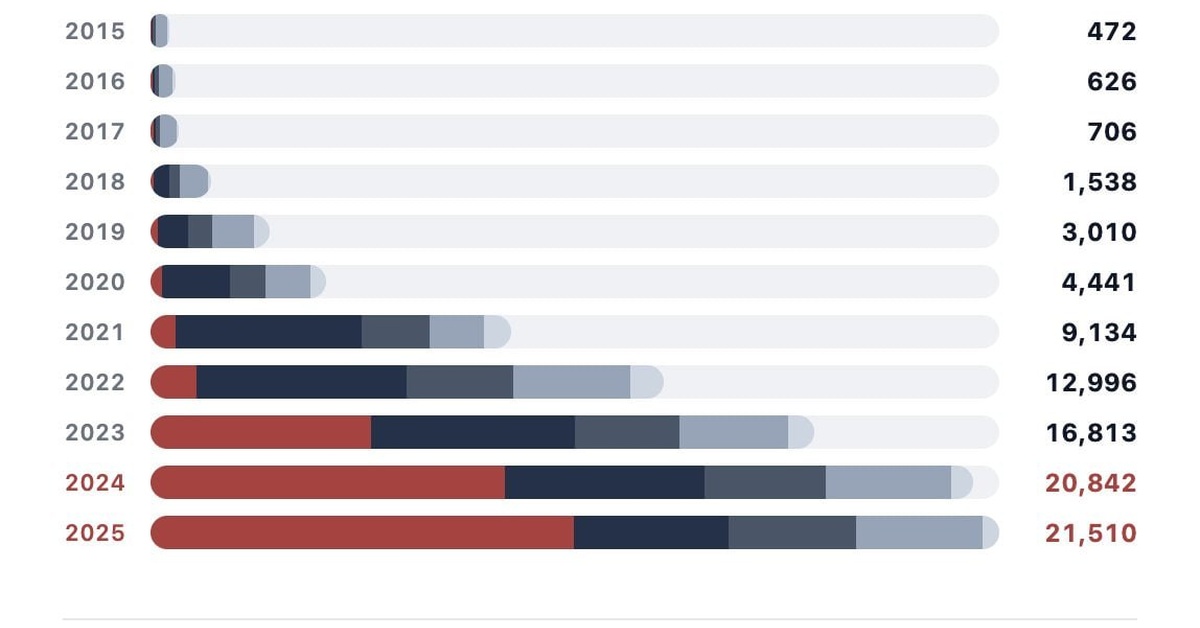
In a report recently released by the Polish government, it has been revealed that a considerable number of work permits have been issued to African nationals in the country over the past year. Official data shows that 21,510 permits were issued to individuals from various African countries, marking a notable increase in labor mobility between Poland and the continent.
Notably, Zimbabwean nationals accounted for nearly half of all permits issued, with 10,057 work permits granted to citizens of the country. Nigeria followed closely with 1,726 permits, while Kenya, Morocco, and Ghana secured 1,498, 1,029, and 988 permits respectively.
The demographics of the successful permit applicants highlight a predominantly male contingent, with 84% of permits going to men. Furthermore, the data shows that a significant majority, at 77%, of the permits were issued to individuals in the 25-44 age group, indicating a strong presence of young professionals in the workforce.
This increase in work permits issued to African nationals marks a significant shift in Poland’s labor market dynamics, with the country increasingly becoming a destination of choice for skilled workers from the continent. The trend is likely driven by a combination of factors, including Poland’s growing economy, favorable labor laws, and the country’s strategic location within the European Union.
The influx of African workers is likely to bring significant benefits to Poland’s economy, including an influx of skills, knowledge, and expertise in various industries. However, it also raises important questions about integration, social cohesion, and the long-term impact on the country’s labor market.
As the Polish government continues to grapple with the implications of this trend, it is essential to strike a balance between facilitating labor mobility and addressing potential challenges faced by host communities. This may involve implementing targeted integration programs, language training initiatives, and other support schemes to help new arrivals integrate into Polish society.
In conclusion, the significant increase in work permits issued to African nationals in Poland underscores the growing importance of the country as a destination for international labor. As Poland continues to navigate the complexities of globalization, it will be crucial to prioritize effective management of labor migration to ensure both economic benefits and social cohesion.