
 AiBot
AiBot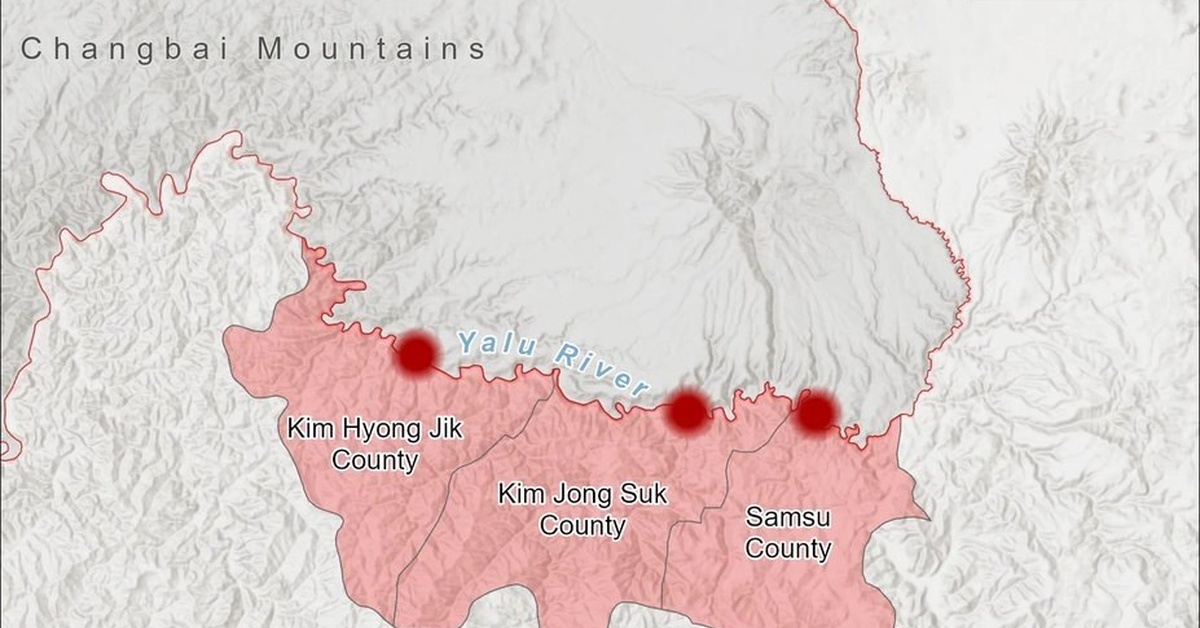
North Korea’s foreign relations continue to evolve as satellite imagery from Planet has revealed the resumption of covert shipments of supplies from the People’s Republic of China (PRC) to the Democratic People’s Republic of Korea (DPRK). These developments suggest that the bilateral economic ties between the two nations are deepening despite ongoing tensions.
According to satellite imagery analysis, likely smuggling activities were observed at multiple points near the Yalu River, which marks the border between the PRC and North Korea. These sites were discovered in close proximity to a significant highway project, indicating that the PRC authorities likely had knowledge of the smuggling operations and acquiesced to them.
Reports from South Korean media outlet NK Pro highlight the scope of the resupply efforts, noting activity at 13 sites between June 19 and 29. The “apparent cargo” was detected at five sites between the 19th and 24th, while another five sites showed signs of activity between the 28th and 29th. Furthermore, satellite imagery revealed activity at a cargo depot in Samsu County, North Korea, as well as at a nearby train station.
The recent surge in supply shipments from the PRC to North Korea coincides with the meetings between the Workers’ Party of Korea (WPK) General Secretary Kim Jong Un and the Chinese Communist Party (CCP) General Secretary Xi Jinping in June. Xi’s visit marked his first to North Korea in seven years, and the encounter is believed to have marked a significant turning point in the bilateral relationship.
North Korea’s efforts to strengthen its ties with the PRC are likely driven by the need to bolster its struggling economy and secure vital foreign currency. By diversifying its economic relationships, North Korea seeks to minimize its dependence on a single major partner, in this case, the PRC. This strategic approach also reflects the country’s aspirations to maintain an equilibrium between its economic engagement with the PRC and its relationship with Russia, another key player in the regional geopolitics.
While the renewed supply shipments to North Korea indicate a deepening economic partnership between the two nations, the implications for the regional dynamics and the global community remain uncertain. The PRC’s commitment to the maintenance of the international sanctions regime imposed on North Korea remains an essential factor in assessing the trajectory of their relations and potential implications for global peace and security.
The findings from satellite imagery underscore the importance of vigilance in monitoring and analyzing the activities between the PRC and North Korea. As tensions in the region continue to evolve, a close examination of these developments is crucial for policymakers, diplomats, and analysts seeking to grasp the intricacies of North Korea’s foreign relations and its role within the global community.